


Blaming the youth is easy. We must rethink how we support parents

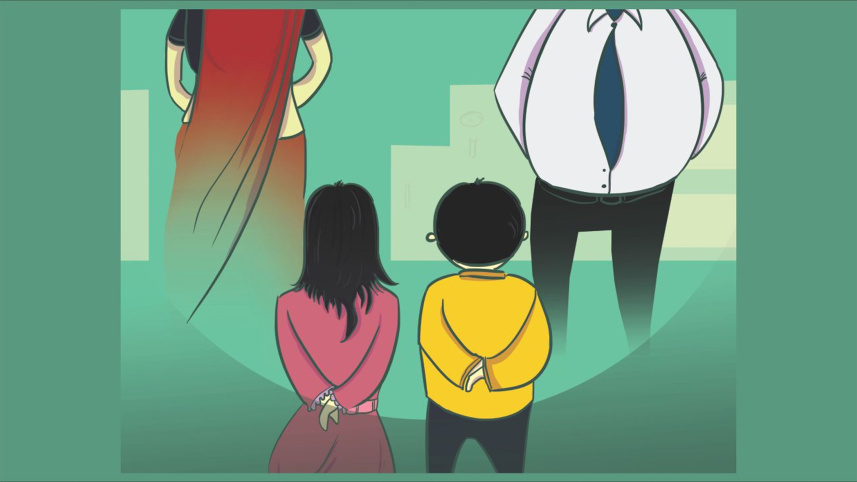
Over the last two years, there have been many reports of young people attacking someone or engaging in violent acts in public places, educational institutions, or even at government offices. Many parents also say that their children have become increasingly disrespectful at home and that managing their behaviour has become more challenging. While we cannot see what happens behind closed doors, the increasing aggression, violence, and mob behaviour seen in our communities suggest that something is going wrong long before these young people enter public life.
Social media is full of debates about the decline of moral education, or noitik shikkha. Many argue that today’s young people lack respect, empathy, and a sense of responsibility. Others look back 20 or 30 years and wonder why behaviour that was once considered unacceptable has become increasingly common. Some blame declining family values, while others point to schools, weakening social cohesion, social media, political culture or shortcomings in the justice system. Some incidents appear to be politically motivated, while others are simply acts of indiscriminate violence with little regard for the consequences. While each of these factors may play a role, one reality is difficult to ignore: the foundations of moral education are laid long before children encounter schools, social media or the wider world. It begins at home.

Children’s behaviour is shaped by a complex interaction of family, education, community, peer influence, technology, and wider social conditions. Their earliest lessons about respect, empathy, self-control, and responsibility, however, are learned within the family. They learn how adults treat one another, manage emotions, respond to conflict, and resolve disagreements. Many of us learned social behaviours by watching our parents and grandparents and seeing how they treated one another, neighbours, and even strangers, regardless of their religion, social class or gender. This is why parents, together with the extended family, are a child’s first and most influential teachers.
Research consistently demonstrates that early childhood experiences have lifelong consequences. Children who grow up in homes where harsh or violent discipline is common, or who witness violence such as intimate partner violence (IPV) and frequent family conflict, are more likely to experience emotional and behavioural difficulties later in life. When violence, aggression, and intimidation become normal within the home, children may carry these behaviours into school, friendships, and eventually the wider society. Their early experiences shape how they treat others, understand respect, empathy, and fairness, communicate, and judge what is acceptable behaviour. In many cases, they repeat these behaviours because they have come to see them as normal. This does not mean that every child exposed to adversity will become violent. Many children demonstrate remarkable resilience and go on to lead healthy and productive lives despite difficult circumstances. However, supportive parenting, positive role models, and safe, nurturing home environments remain among the strongest protective factors against future violence and disrespectful behaviour.
Evidence from Unicef and the WHO shows that strengthening parenting interventions can play a significant role in preventing violence against children and intimate partner violence. By promoting positive parenting, reducing harsh or violent discipline, and strengthening caring family relationships, these interventions create safe and supportive environments in which children learn positive values and behaviours. Preventing violence in the home is therefore not only about protecting children today; it is also about shaping the values, attitudes, and behaviours they will carry into adulthood.
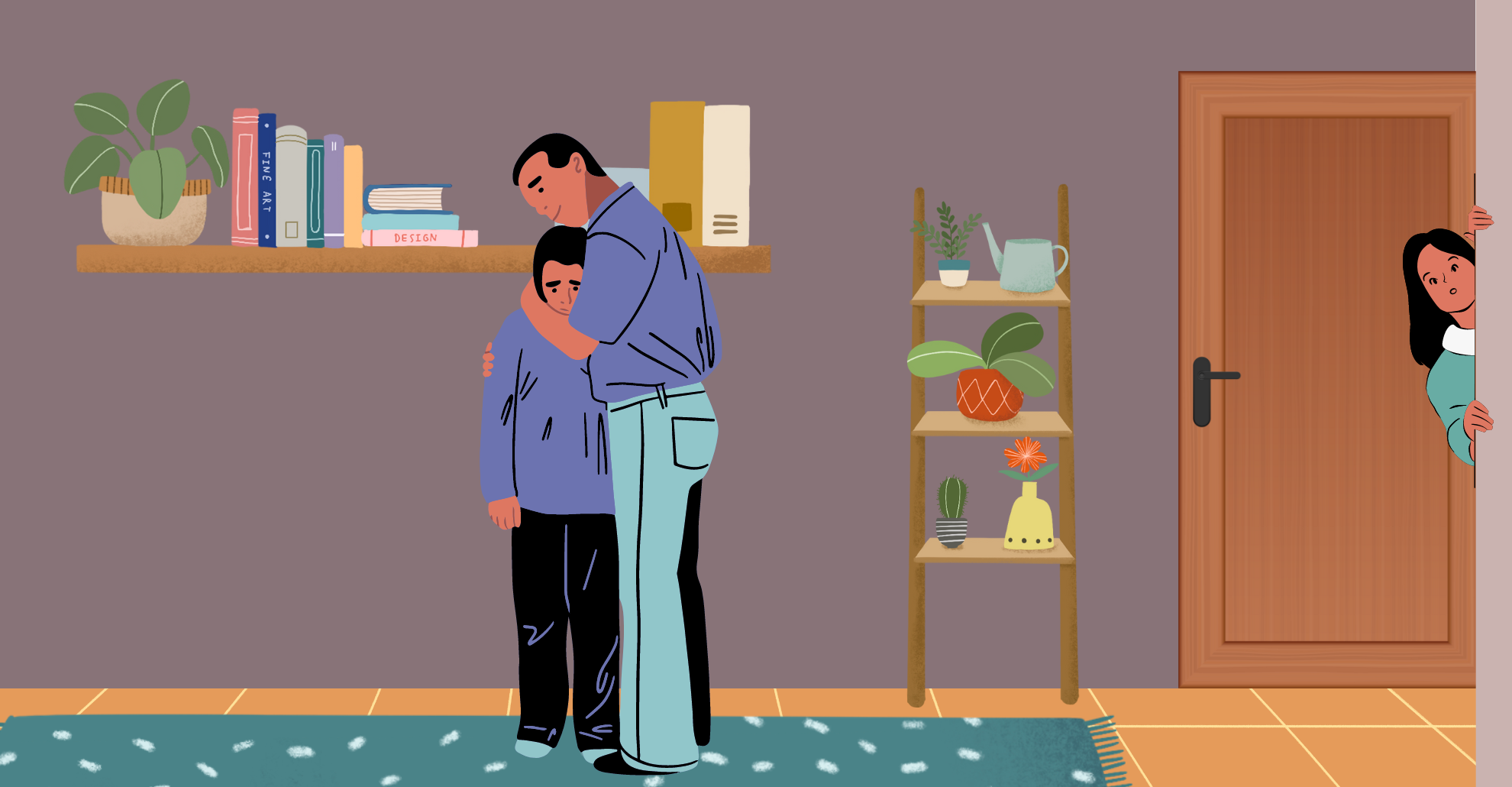
In the UK and many other high-income countries, parenting is recognised as a skill that can be strengthened through education and support. In Bangladesh, however, parenting is often viewed through the lens of physical health: ensuring children receive vaccinations, nutritious food, and access to healthcare. While these are essential, parenting is about much more than meeting a child’s physical needs; it is about supporting a child’s overall wellbeing. This includes nurturing emotional wellbeing, modelling respectful behaviour, and helping children develop the values, empathy, and self-control that guide their behaviour. Parenting today is far more challenging than it was for previous generations. Families face increasing economic pressures, the constant influence of digital technology, and the daily challenge of managing children’s screen time and online exposure. Yet, many parents remain reluctant to seek or accept parenting support. If we want to raise a responsible generation that respects the dignity of others, shows empathy, and rejects violence, supporting parents must become a national priority.
Unfortunately, parenting education is yet to be integrated into Bangladesh’s education or public health systems. As Bangladesh has allocated a record education budget this year, this presents a timely opportunity to invest not only in schools but also in parents. Dedicated funding should be allocated to develop comprehensive parenting programmes, beginning during pregnancy and continuing throughout early childhood and adolescence as part of a national early intervention strategy. Supporting parents should not be viewed as a social welfare expense but as an investment in national development. Equipping parents with the knowledge and skills to raise confident, respectful, and resilient children is one of the most effective ways to prevent violence, strengthen communities, and build a healthier society. Parents matter. Empowering them may be one of the most important investments we can make not only for our children, but for the future of our society.
Dr Sina Akand is a London-based sociologist and development consultant. She can be reached at sinaaknd@gmail.com.
Views expressed in this article are the author's own.
Follow The Daily Star Opinion on Facebook for the latest opinions, commentaries, and analyses by experts and professionals. To contribute your article or letter to The Daily Star Opinion, see our guidelines for submission.
 For all latest news, follow The Daily Star's Google News channel.
Comments