


Power distribution must be equitable
Power distribution between rural and urban areas in Bangladesh is not just unfair, it almost borders on human rights violations. In the unbearable summer heat, villagers are forced to live without electricity for 12-14 hours. Many cannot sleep properly, their children fall sick, their education gets hampered. What’s worse, many farmers cannot run irrigation pumps due to prolonged power cuts. Although this happens almost every summer, this year, the last two weeks have been the worst. According to a report by Prothom Alo, many customers of the Bangladesh Rural Electrification Board (BREB) have been experiencing 17-42 percent load-shedding. In recent weeks, load-shedding in rural areas sometimes accounted for about 96 percent of the country’s total power supply shortage.
The consequence has been equally concerning. Rural customers, frustrated by long hours of power outages, have attacked and vandalised sub-station offices, sometimes assaulting line crews. Prothom Alo reported that such incidents happened in at least 14 places in 10 districts. The situation has been terrifying even for Palli Bidyut Samity officials, who requested police protection in many places. Meanwhile, the BREB and four MPs wrote to the Ministry of Power, Energy and Mineral Resources requesting increased power supply to meet the current crisis.


In an equitable society, such appeals should not have been necessary. But in Bangladesh, while we keep talking about rural development, we continue to deprive rural areas of basic necessities. Even businesses in non-urban areas are facing the crisis. A report by this daily quoted a Gazipur food processing factory owner whose industrial output had to be halved in recent weeks because of power outages. Even the frozen shrimp exporting industry is struggling because aerators cannot run during power cuts, risking damage to the shrimp stocks.
This summer’s power cut has not spared some urban areas, either. Many areas in Chattogram city faced load-shedding seven to eight times daily over the past week, despite the region’s higher generation of electricity in relation to demand. Since the electricity generated is transmitted to the national grid and then allocated back to the region, the amount allocated may fall below the demand.
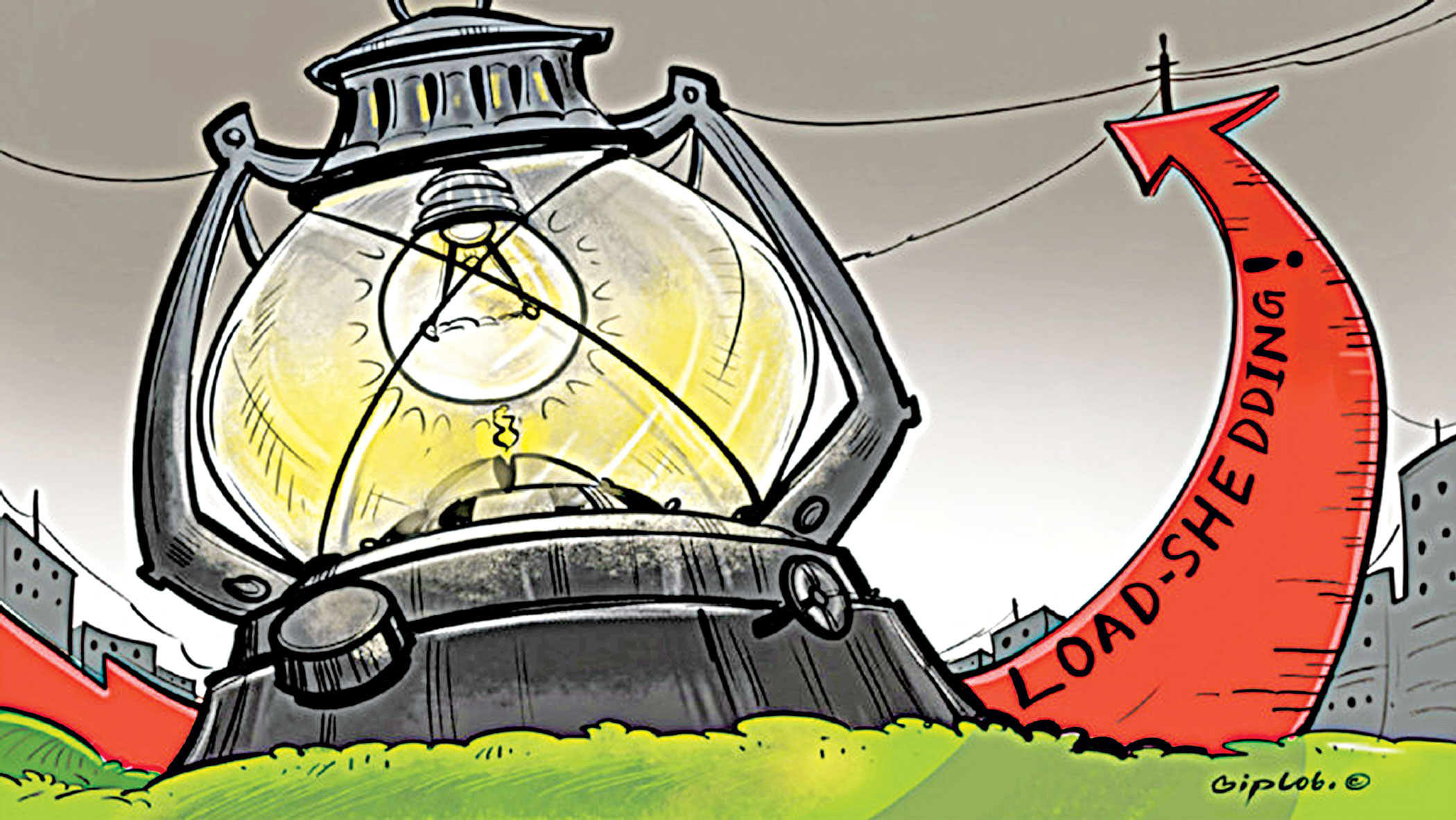
One reason behind this mismatch of power supply and demand, per experts, is that electricity generation is not demand-driven in Bangladesh; it is based on fuel availability. In fact, many power plants sit idle even when the demand is high and power cuts rise. The other reason is the dues owed to the overpriced private power plants. While the government must expedite plans to lower dependency on fossil fuels to run power plants, policies to make power distribution more equitable must also be pursued simultaneously. We cannot continue to put the burden of past bad choices and incompetent planning on the rural populace just because their voices don’t often reach the seats of power in the centre.
 For all latest news, follow The Daily Star's Google News channel.
Comments