


Extreme heat is turning into a threat to economy
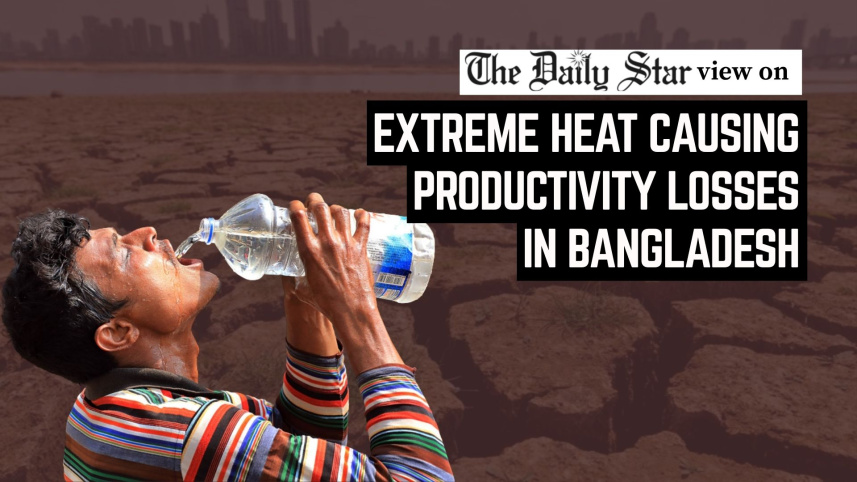
Extreme heat is no longer merely an environmental concern; it has become a serious economic challenge for countries like Bangladesh. A new World Bank report has once again revealed how the consequences of extreme heat are being felt in lost jobs, lower productivity, and slower economic growth. According to the report, heat-induced productivity losses cost Bangladesh an estimated $1.3-1.8 billion in 2024, equivalent to 0.3-0.4 percent of the country's GDP. The losses rise sharply on days when temperatures exceed 37 degrees Celcius. The impact is particularly severe in Dhaka, where extreme heat renders 3 percent of working hours unworkable, wiping out the equivalent of 465,000 full-time jobs annually. As temperatures continue to rise, these losses are projected to more than double by 2080.


Unfortunately, global climate commitments continue to fall short to address this crisis, while geopolitical tensions, wars, and competing economic priorities complicate international climate action. As wealthier nations remain divided over emissions reductions and climate finance, countries like Bangladesh, despite contributing very little to global emissions, are paying an increasingly heavy price.
The World Bank report makes it clear that the burden of rising temperatures falls disproportionately on those least able to cope. Low-income households, informal workers, women, children, and the elderly are among the hardest hit. Labour-intensive sectors such as construction, transport, agriculture, and particularly the RMG industry face mounting risks as workers struggle to maintain productivity under increasingly dangerous conditions. The report's finding that heat stress in RMG factories has been linked to a greater risk of violence and harassment against women workers who fail to meet production targets is alarming.
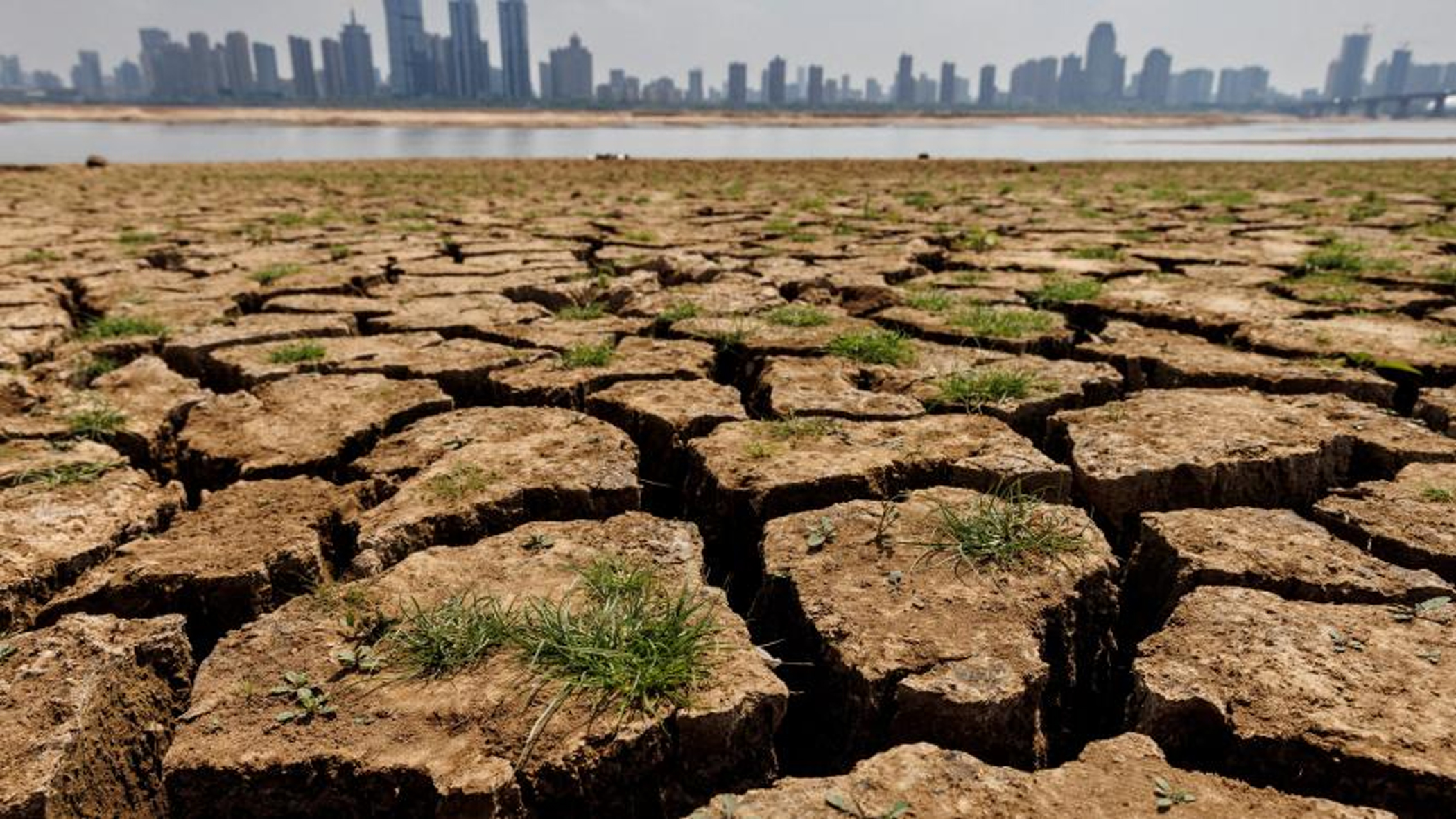
There are, however, reasons for cautious optimism. The report highlights Bangladesh's Green Transformation Fund and the remarkable growth in Leadership in Energy and Environmental Design (LEED)-certified RMG factories as examples of how targeted investments can improve energy efficiency, working conditions, and industrial resilience. These initiatives show that adaptation measures are both feasible and economically worthwhile. But isolated successes are not enough. The country still lacks a comprehensive strategy to make its cities, workplaces, and infrastructure resilient to increasingly frequent and intense heat waves.
Therefore, the government must act urgently to address this crisis. It must expand urban green spaces, protect water bodies that naturally cool cities, enforce heat-sensitive building standards, improve ventilation in factories and workplaces, and strengthen occupational safety regulations to protect outdoor and industrial workers during periods of extreme heat. Employers should be encouraged to adopt flexible working hours where feasible, while the authorities should invest in effective early warning systems and public awareness campaigns. Continued support for cleaner industries and climate-resilient infrastructure is also necessary. Protecting our workers from extreme heat is essential for safeguarding jobs, sustaining investment, and securing the country's long-term development goals.
 For all latest news, follow The Daily Star's Google News channel.
Comments