


Don’t rush fuel import privatisation

The current energy crisis and increased government spending on fuel imports undoubtedly call for innovative ideas. However, those ideas should not compromise the national interest in any way or be implemented in haste. This applies to the government’s consideration of allowing private firms to import and market refined petroleum products. To be clear, we are not opposed to privatisation in general or greater private-sector participation in areas traditionally managed by state-owned entities. However, private-sector involvement should be allowed only to the extent that it does not result in market concentration, cartelisation, monopolistic practices, price manipulation, or otherwise compromise the country’s energy security.


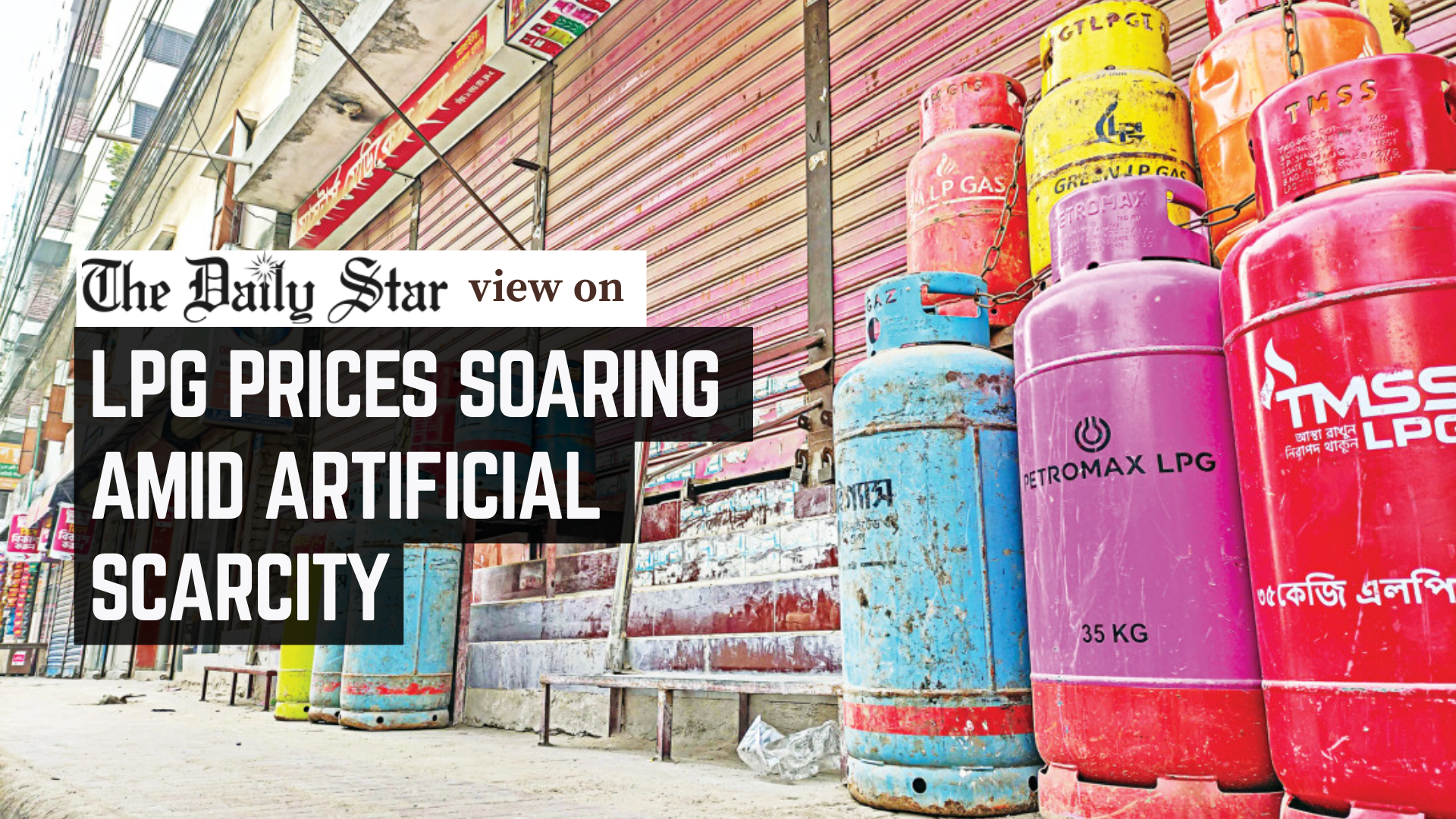
These concerns arise because our past experience of private-sector participation in nationally important spheres, particularly in the energy and power sector, has often been disappointing. For instance, the costly capacity payments made every year to private power plants, even when they remain idle, should serve as a cautionary tale. The liquefied petroleum gas (LPG) market offers another telling example, with the Bangladesh Energy Regulatory Commission (BERC) largely failing to ensure that private companies sell at regulated prices. The syndicates in this market can even create artificial shortages and jack up prices, effectively holding the government and the nation hostage in times of crisis. These are lessons that should prompt the government to review its position with much deliberation.

Instead, what we are witnessing is a haste on the government’s part to approve the policy decision of allowing private import and marketing of refined oil. According to media reports, the BNP government first mulled the idea after receiving a proposal from Bashundhara Oil and Gas Company Ltd on May 24 in this regard. They want to directly import and market a little over 30 lakh tonnes of refined fuel per year, which is nearly half of the country’s annual demand for fuel oil. Surprisingly, within two months of receiving the proposal, the energy division sought Bangladesh Petroleum Corporation’s (BPC) opinion about it, and the committee BPC formed on July 14 to review the application had to submit its recommendation within just two days!
What’s more concerning is that the committee’s objection to the proposal was not heeded; instead, the public organisation was asked to prepare a draft “Private-Sector Refined Fuel Import, Storage, Transportation, Distribution and Marketing Policy, 2026” within just four working days and submit it to the energy division by August 10. All this happened in a regulatory environment where the requisition to fill a public school’s teachers’ vacant posts, for example, often does not elicit any action for 10 years.
So, if the government really decides to approve the draft despite warnings from experts, the opposition, and the very public entity that manages the fuel supply chain, it must at least put stringent safeguards in place. In particular, companies facing allegations of money laundering, loan default or other forms of corruption should be barred from obtaining licences to import and market strategic commodities such as refined fuel. Besides, crucial policies that would impact the country’s energy future must not be fast-tracked. The draft being prepared by BPC should be subjected to wider and adequate consultation. To solve one problem, the government must not rush into creating another.
 For all latest news, follow The Daily Star's Google News channel.
Comments