


Alarming rise in cancer cases, deaths
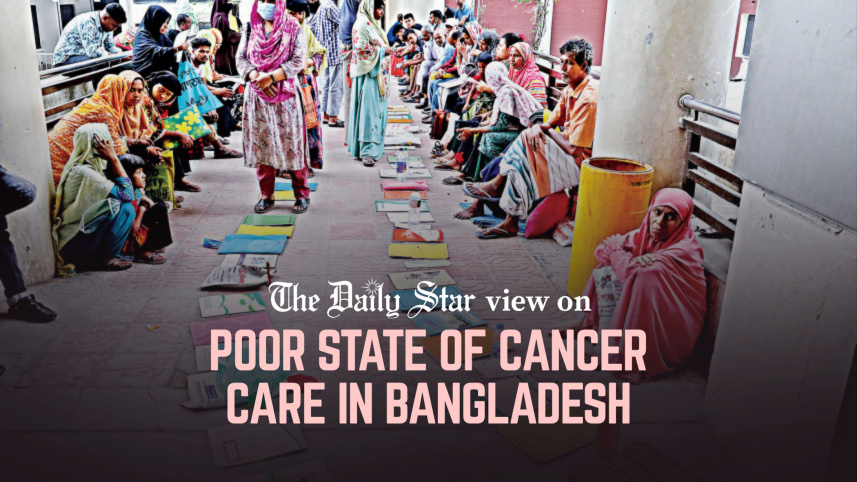
The growing number of cancer patients and deaths in the country is very concerning. According to estimates by the International Agency for Research on Cancer, the number of new cases increased by about 12 percent between 2022 and 2024, from 167,256 to 187,263. The number of cancer deaths rose even higher by about 19 percent, from 116,598 to 138,906. While these figures are estimates, they are nonetheless alarming. The severe shortage of treatment facilities and high cost of care are putting an enormous strain on our already inadequate cancer-care system.
At the National Institute of Cancer Research and Hospital (NICRH), the country’s only public specialised cancer hospital, more than 100 people routinely crowd outside the radiotherapy rooms, while up to 8,000 patients are currently waiting for treatment. This reflects the severe gap between the number of radiotherapy machines needed and those available. According to WHO recommendations, the country needs at least 170 radiotherapy machines, but there are only 30, including 23 under the health ministry. Of these, only seven are currently functional. There is also a severe shortage of radiation oncologists, radiotherapy technologists, medical physicists, and oncology nurses.

In such a situation, the cost of cancer treatment is placing an unbearable burden on many families. Costs for treatment can force families into selling land, exhausting savings, and taking on debt, with travel and living costs adding to the burden. For instance, a mason from Kishoreganj had to sell his only piece of land for Tk 5 lakh to pay for his treatment. Another patient from Patuakhali spent about Tk 4 lakh on treatment before learning that his cancer had already spread to several parts of his body.
The government’s plan to install 17 new radiotherapy machines at public hospitals by June next year is, therefore, welcome. Authorities must ensure that the new machines are installed where they are most needed. The severe workforce crisis must be addressed. There is also an urgent need to strengthen cancer screening and early diagnosis, as delays in diagnosis and referrals can cost precious time. Most importantly, we need a comprehensive national cancer control strategy based on reliable data, prevention, early detection, equitable access to treatment, and palliative care. The government must also establish a population-based cancer registry without further delay. We have been calling for such measures for years. With cancer cases and deaths rising and thousands of patients waiting for treatment, there is no more time left to lose.
 For all latest news, follow The Daily Star's Google News channel.
Comments