


Which therapy really helps knee arthritis?
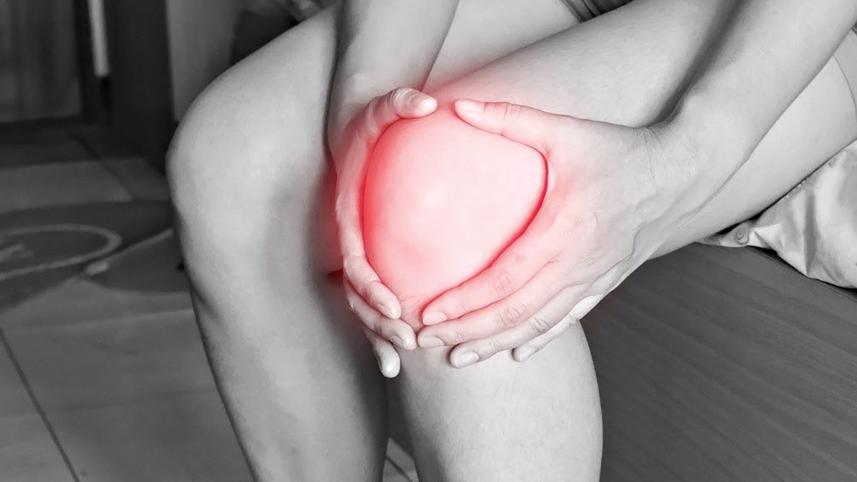
Knee osteoarthritis is one of the most common causes of long-term pain and stiffness in older adults, often making everyday activities such as walking, climbing stairs or standing for long periods difficult. Many people rely on anti-inflammatory painkillers to manage symptoms, but these medicines can carry risks to the stomach and heart when used long-term. As a result, there is growing interest in safer, non-drug approaches to managing knee arthritis.
A large new analysis of existing clinical trials suggests that some of the most effective treatments are also among the simplest. Overall, knee braces, water-based therapy and exercise emerged as the most beneficial non-drug options for reducing pain and improving movement in people with knee osteoarthritis.

Knee braces consistently performed well across multiple outcomes. By providing external support and improving joint alignment, braces can reduce strain on the knee, helping to ease pain, stiffness and functional limitations. For many people, they offer a practical, relatively low-cost way to stay mobile while protecting the joint during daily activities.
Water-based therapy, often carried out in warm pools, was particularly effective for pain relief. Exercising in water reduces the impact on joints while allowing muscles to strengthen and joints to move more freely. This makes hydrotherapy especially appealing for people who find land-based exercise painful or difficult or who are at an earlier stage of rebuilding strength and confidence.
Regular exercise on land also showed clear and consistent benefits. Structured exercise programmes helped reduce pain and improve physical function, reinforcing long-standing advice that movement, rather than rest, is key to managing knee arthritis. Strengthening the muscles around the knee, improving flexibility and maintaining overall fitness can all help slow functional decline and support independence.
Other non-drug therapies, such as high-intensity laser therapy and shockwave therapy, showed some positive effects, but their benefits were less consistent. Ultrasound therapy, despite being widely used in some settings, performed poorly overall compared with other options, suggesting it may offer limited value for knee osteoarthritis.
While these findings are encouraging, it is important to recognise that no single approach will work equally well for everyone. Nonetheless, the overall pattern points clearly towards physical and movement-based therapies as the most reliable options.
Managing knee osteoarthritis does not necessarily require high-tech equipment or long-term medication use. Accessible interventions such as wearing a knee brace, exercising regularly and using water-based programmes can make a meaningful difference to pain and mobility, while avoiding the side effects linked to common painkillers. Looking ahead, combining these approaches may offer even greater benefits. Future initiative is expected to explore how different therapies can work together and whether they provide good value for money in everyday healthcare settings. In the meantime, these findings support a shift towards safer, evidence-based treatments that empower people to stay active and protect their joint health over the long term.
Source: PLOS One
 For all latest news, follow The Daily Star's Google News channel.
Comments