


Banks don’t belong to any party, they belong to the people: Jamaat ameer
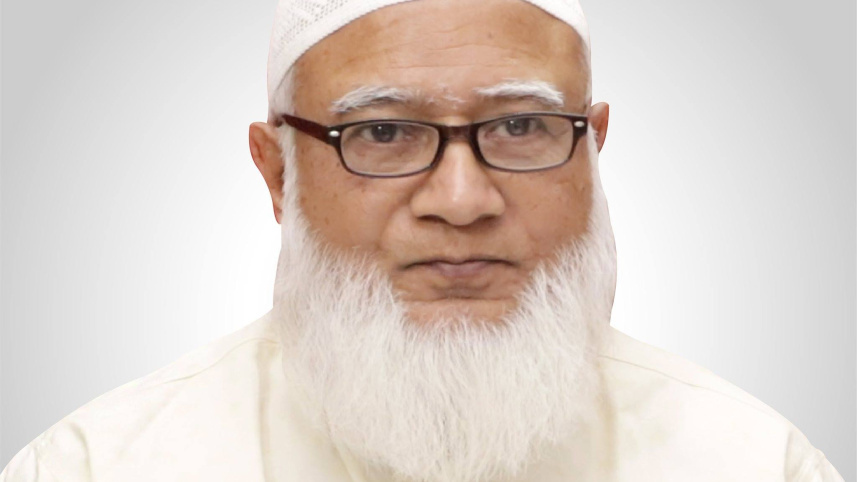
Leader of the Opposition and Bangladesh Jamaat-e-Islami Ameer Shafiqur Rahman today said that after Bangladesh Bank, a “black hand” is now being extended towards scheduled and commercial banks.
“Banks do not belong to any party; they belong to the people,” he said while speaking as chief guest at the opening session of Jamaat’s district and metropolitan ameer conference at Al-Falah Auditorium in Moghbazar, Dhaka.

Expressing concern over the banking sector, Shafiqur said that although “hundreds of thousands of crores of taka” had been looted from banks and siphoned abroad in the past, there has been no effective initiative to recover the money. He alleged that efforts to bring those responsible under the law have also been stalled.
He further said that political interference had taken place in the process surrounding changes in the central bank’s leadership, which he described as risky for the country’s financial system. He alleged that even a loan defaulter had been given an opportunity to reschedule loans and appointed to a key position.
He urged citizens to remain vigilant and act as “guardians” to protect their deposits.
The opposition leader also said there are inconsistencies in the government’s statements on the energy situation.
He said that while the government claims there is no energy crisis, prolonged load-shedding and public suffering in procuring fuel suggest otherwise.
According to him, the energy shortage is putting industries at risk due to a lack of furnace oil, while rising transport costs are driving up commodity prices. He also alleged that extortion is adding further pressure on ordinary people.
The opposition leader said that although the speaker had pledged neutrality on the first day of parliament, the opposition did not see that in practice. He said they were compelled to walk out as they were not given the opportunity to speak on important issues.
He also expressed dissatisfaction over the limited time allocated for parliamentary debate.
“No parliamentary debate can take place in two minutes; in two minutes, one can only pass a comment,” he said, adding that although the time was later slightly increased, it remained insufficient, while government members were allowed extended speaking time.
Shafiqur said that although global conditions have impacted Bangladesh, internal weaknesses and policy failures have worsened the crisis. He called on the government to engage in open discussions, both in and outside parliament, to find solutions in national interest.
He said necessary steps must be taken to implement the referendum verdict, and reform ordinances should be presented in parliament as bills in line with public expectations.
He also warned that ignoring public opinion would undermine democratic practices and could lead to a bigger crisis in the future.
“The culture where the party is bigger than the country must change,” he said, and called for collective efforts to address the crisis.
 For all latest news, follow The Daily Star's Google News channel.
Comments