


Foy’s Lake from railway reservoir to city retreat

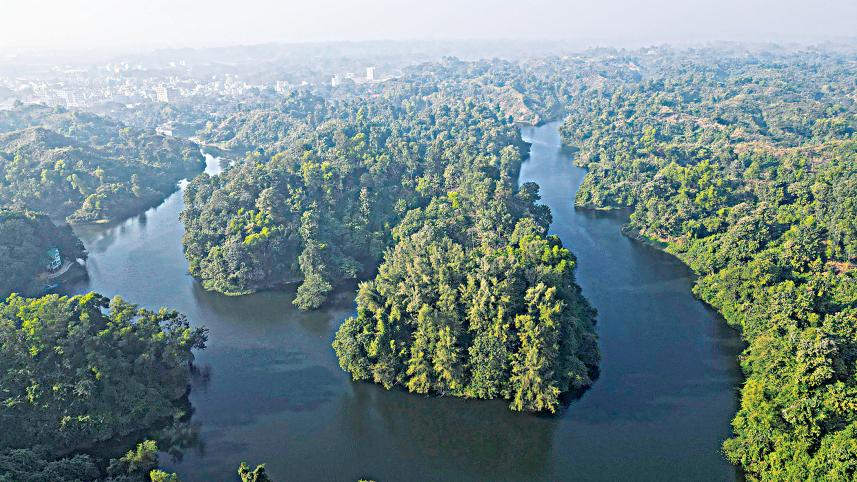
Long before Foy’s Lake became a popular destination for leisure and tourism, it was created for a practical purpose.
In the early decades of the twentieth century, as railway infrastructure expanded in Chattogram, the need for a reliable water source for railway employees became urgent. Between 1924 and 1925, the Assam-Bengal Railway addressed this need by creating a large reservoir through the damming of natural streams in the Pahartali–Khulshi hill range.

The project was planned and supervised by Mr Foy, an engineer with the railway, and the water body was initially known as Pahartali Lake. Over time, it came to be identified by the name of the engineer behind its creation -- Foy’s Lake.
Situated in the Khulshi area of the port city, Foy’s Lake is now recognised as one of the largest manmade lakes in Bangladesh. According to railway data, it covers a total area of 336 acres, of which 48 acres are water and 282 acres comprise the surrounding hills.
The lake spans nine hills and eight water bodies, each with its own name, adding to the charm of the landscape.
While the city around it grew and changed, the lake continued to serve its original function. Even today, through a water treatment plant operated by Bangladesh Railway’s Chattogram division, water from Foy’s Lake is supplied daily to railway employees living in ten colonies.
“For us, this lake is not just a place to visit,” said Anwar Shahin, a member of the Railway Nirapatta Bahini and resident of the South Ambaghan Railway Colony.
“My father worked for the railway and this water has always been part of our daily life -- from cooking to the first glass of water in the morning. We were taught not to waste it because it comes from the hills, sweet and clean,” said the 45-year-old, who was born and raised in the colony.
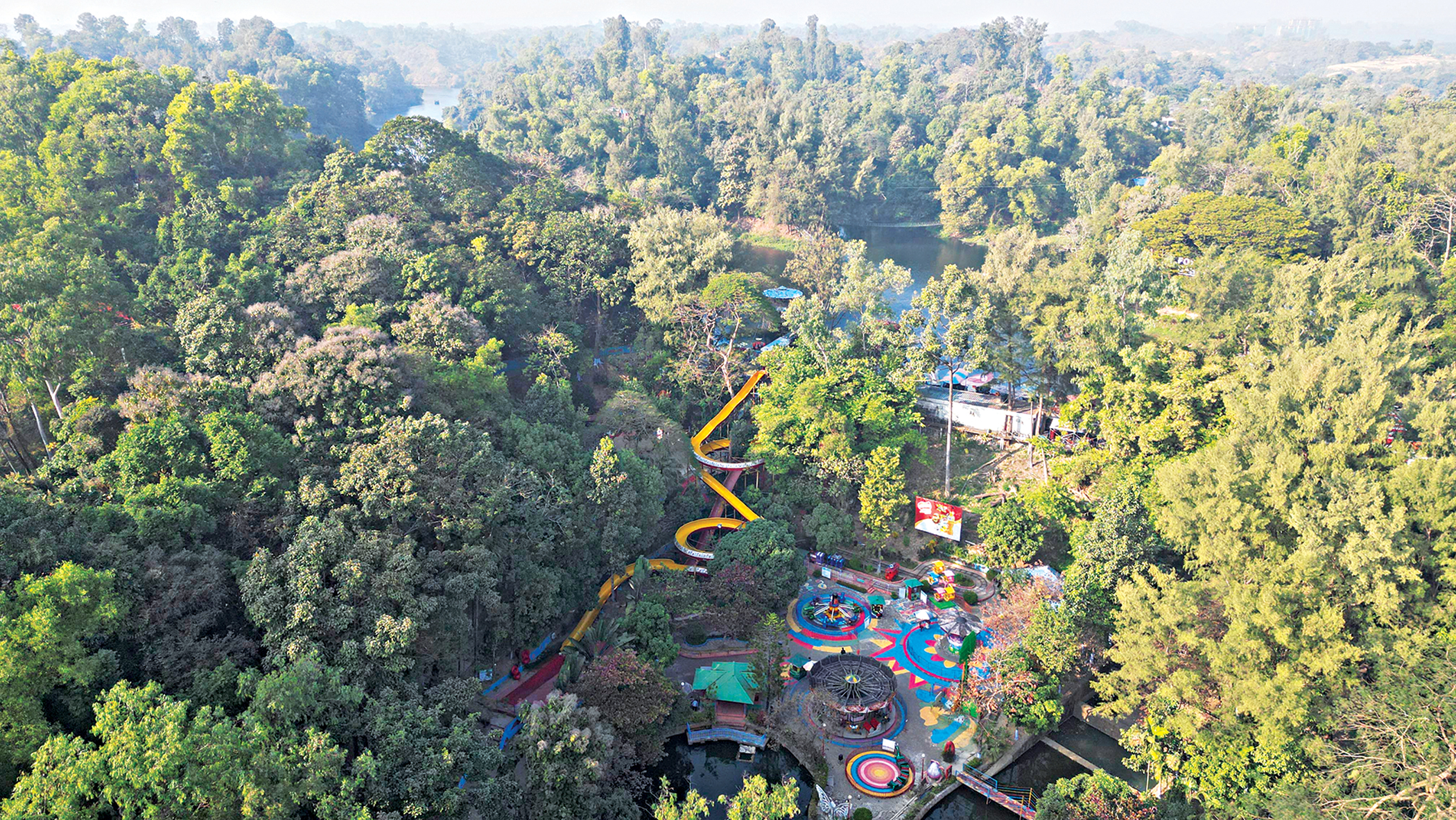
Over the decades, the lake’s role expanded beyond water supply. Surrounded by dense forests and rolling hills, it gradually emerged as a vital ecological space within the city. The surrounding vegetation -- including chapalish, jarul, rain trees, teak, krishnachura, amla and bahera -- helped create a natural buffer against urban expansion, while supporting diverse wildlife.
Though no official biodiversity survey exists, the area is known to host monitor lizards, deer, monkeys, civets and fishing cats, alongside birds such as kingfishers, woodpeckers, hill mynas and hornbills.
“The biodiversity of Foy’s Lake significantly contributes to oxygen supply in the port city,” said Mohammed Kamal Hossain, supernumerary professor at the Institute of Forestry and Environmental Sciences, Chittagong University.
“This green zone plays an important role in keeping a big portion of the port city’s environment healthy.”
Aquatic life also thrives in the lake’s waters, supported by its depth and relatively undisturbed ecosystem. Railway data shows its water depth ranges between 78 and 80 feet at its deepest points, with the shallowest areas measuring 38 to 40 feet.
By the 1990s, as Chattogram’s population grew and open spaces became scarce, attention turned to Foy’s Lake as a potential recreational site. To develop visitor-oriented facilities, the railway authorities began leasing parts of the lake area to the private sector, marking a turning point -- from a primarily functional and ecological asset to a space shaped by tourism and entertainment.
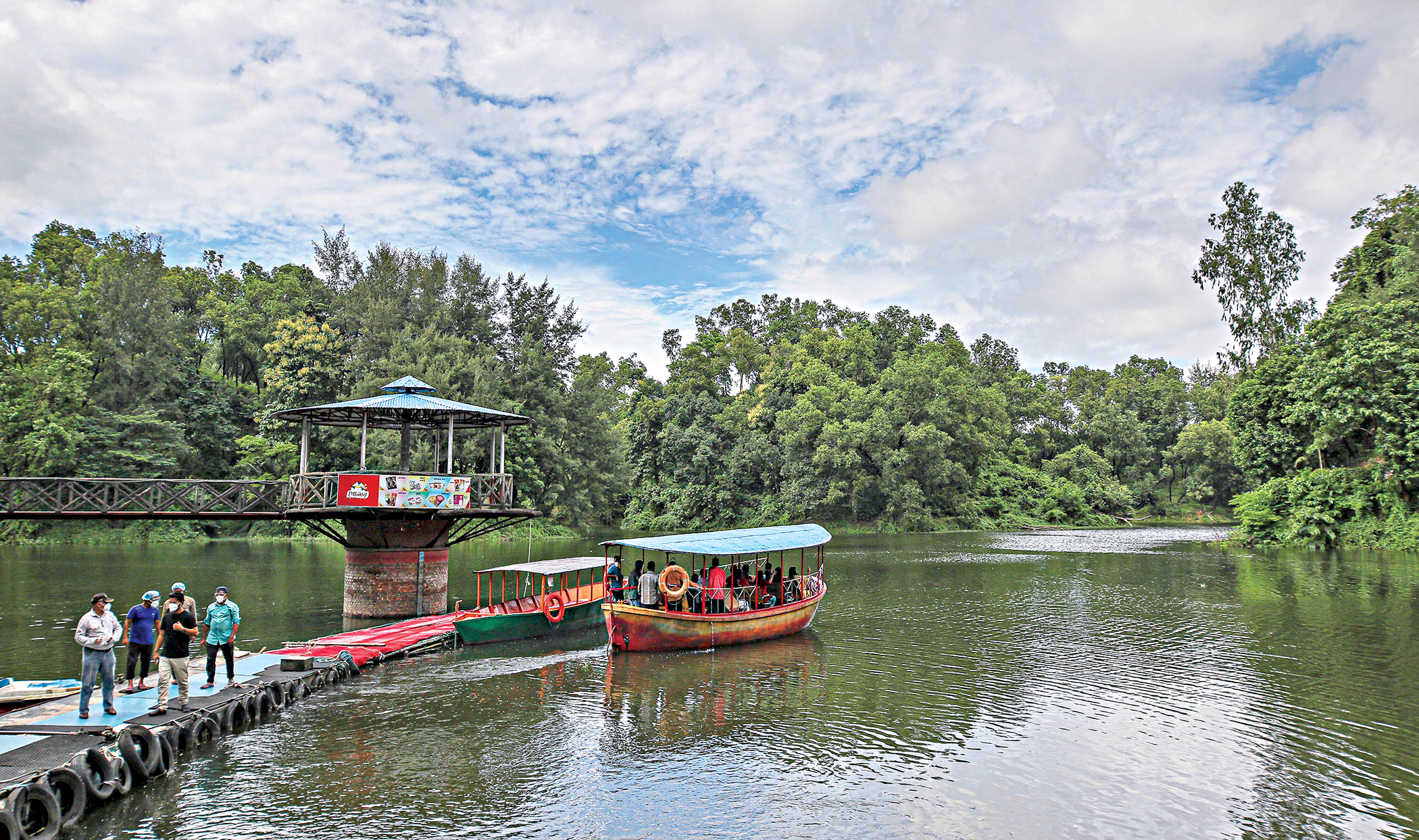
Hossain Mohammad Tarek, now a head assistant with railway, recalls visiting the lake in 1996 as a seventh grader at a railway school. “I remember riding boats on the lake,” he said. “The surroundings were calm and cool. You could hear birds everywhere. Swans were often seen floating on the water, and we even heard stories from friends and neighbours of monitor lizards near the lake.”
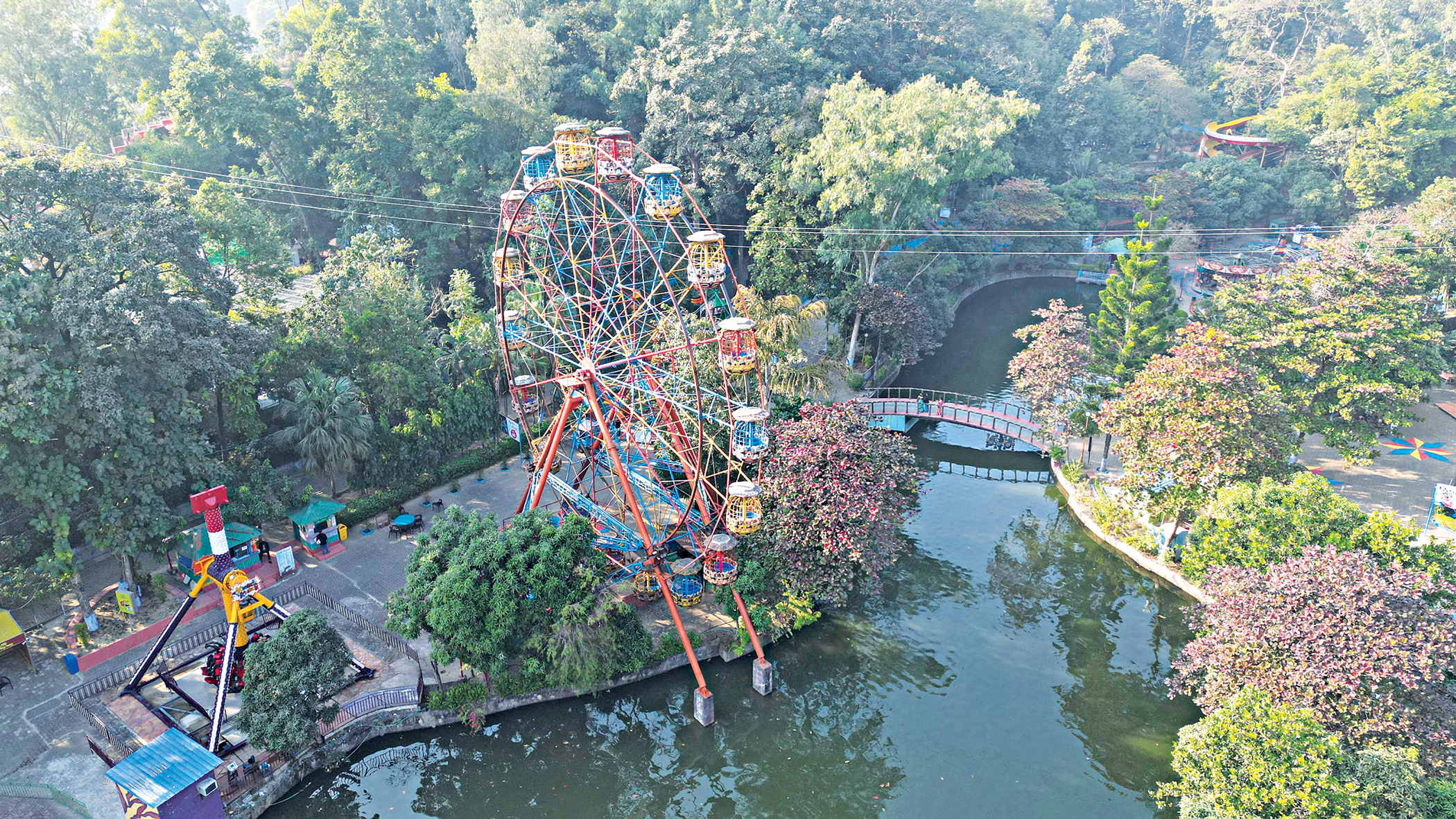
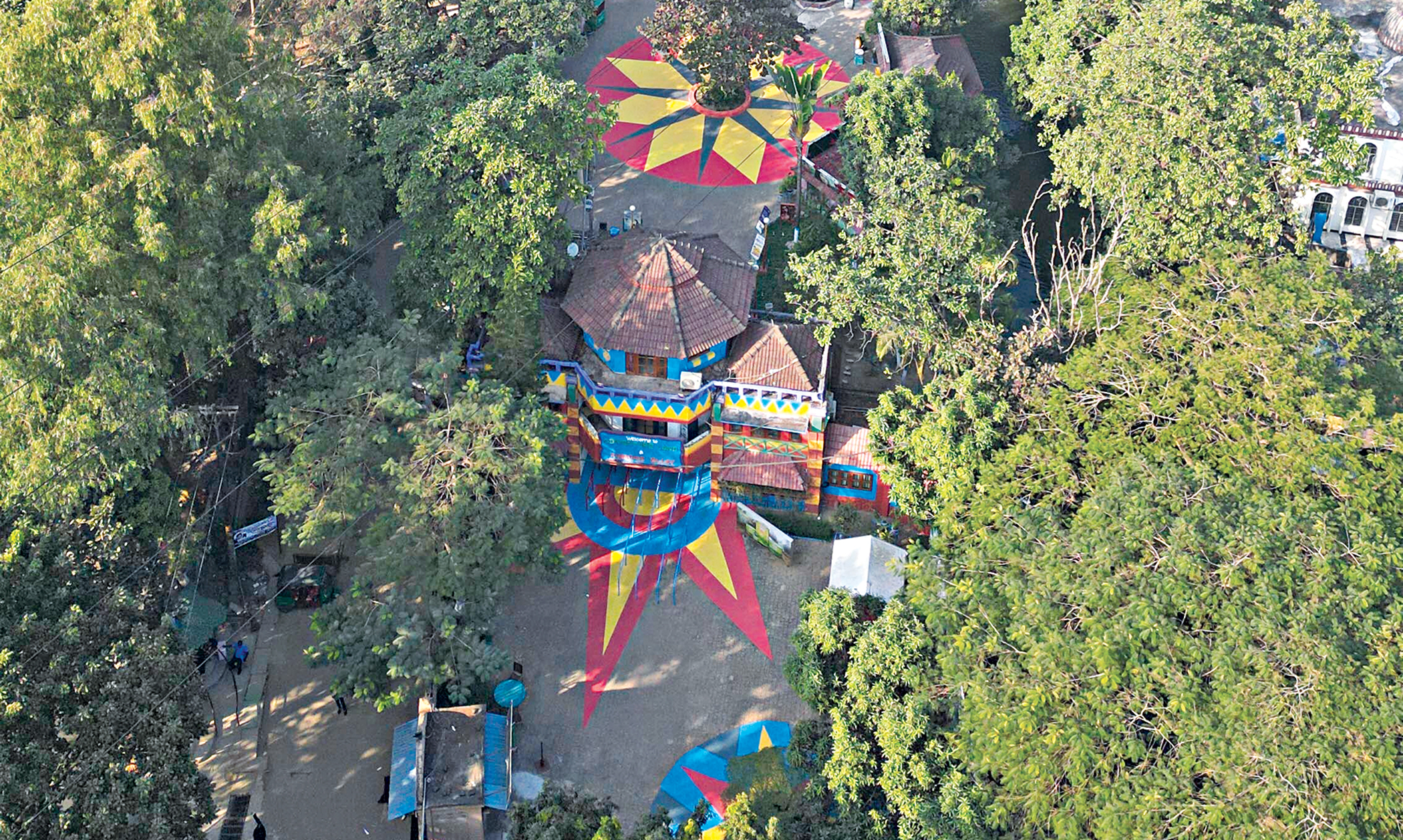
Between 2003 and 2005, the railway signed a tripartite agreement with Concord Group, supported by Bangladesh Parjatan Corporation, to develop Foy’s Lake into a modern recreational destination. Following the agreement, infrastructure appeared around the lake, including boating services, restaurants, cottages, trekking trails, concert venues and camping facilities.
Visitor numbers increased, and Foy’s Lake gradually established itself as one of Chattogram’s most popular leisure destinations.
However, the lake’s transformation brought new challenges. Tourists generate single-use plastic waste, and engine-powered boats disturb aquatic life. Currently, five to six such boats operate on the lake.
Today, Tarek occasionally visits Foy’s Lake with his son, using the free entry facility available to railway employees. “The natural environment has gradually diminished. What we see now is far more artificial than what we grew up with,” he said.
Railway employees have also reported occasional oily smells in the water supplied from the lake, raising questions about water quality and compliance with lease conditions. “We sometimes find oily, foul-smelling water in our supply lines,” said Arif Shahriar, a railway worker and resident of the Railway Ticket Printing Colony.
 For all latest news, follow The Daily Star's Google News channel.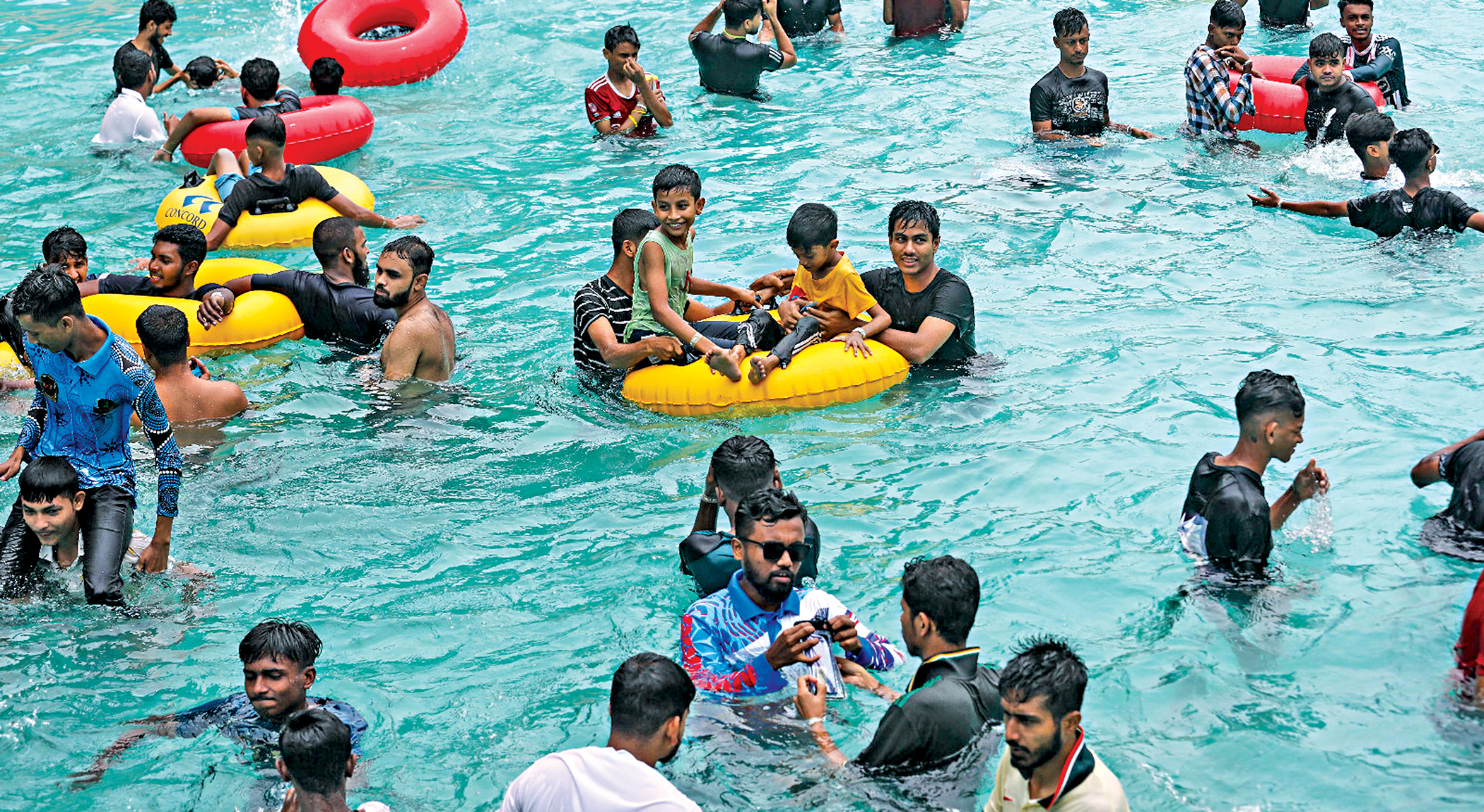
Photo: Rajib Raihan
At the same time, entry fees introduced by the private operator, currently Tk 300 per person, have made visits difficult for low-income residents.
“Tk 300 per person is unaffordable for us,” said Mohammed Rubel, a clerk at a private company. “We went intending to see the lake, but after seeing the entry fee, we returned and went to the nearby zoo instead because it was affordable.”
During a recent visit, groups of tourists were seen enjoying boat rides, while children played on amusement rides along the shore.
Aysha Siddika, a homemaker visiting with her family, said, “There are many recreational options here at the same time. The children can play, and we can go boating. That’s why whenever we get time, we come here with the family on our day off.”
Abdul Aziz, a visitor, added, “Boating here gives us a feeling similar to Kaptai Lake in Rangamati.”
Responding to these concerns, Concord authorities said operational costs necessitate entry fees and that steps have been taken to reduce the number of engine-powered boats.
Biswajit Ghosh, manager of Concord’s Foy’s Lake operations, said, “It is true that the entry fee is high for low-income people. But maintaining the facilities and running the operations involve significant expenses. We have brought the number of boats down to five or six from a much larger number.”
A century ago, Foy’s Lake was created to serve a simple civic need. Today, it stands at the crossroads of utility, nature and recreation. While it continues to supply water to railway colonies and its forests support the city’s wildlife and environment, it also draws visitors seeking leisure.
The challenge ahead is to maintain this balance -- preserving its natural beauty and ecological role, while allowing people to enjoy the lake responsibly, said experts.
Comments