Why does the Middle East have so much oil?

Oil is not merely an energy source; it is the dark, viscous bloodline of modern civilisation.
And yet, this lifeblood is perennially poised on a knife’s edge, its flow contingent on a geography as volatile as it is bountiful. That fragility now stands starkly exposed through the global fallout of the US-Israel war on Iran.

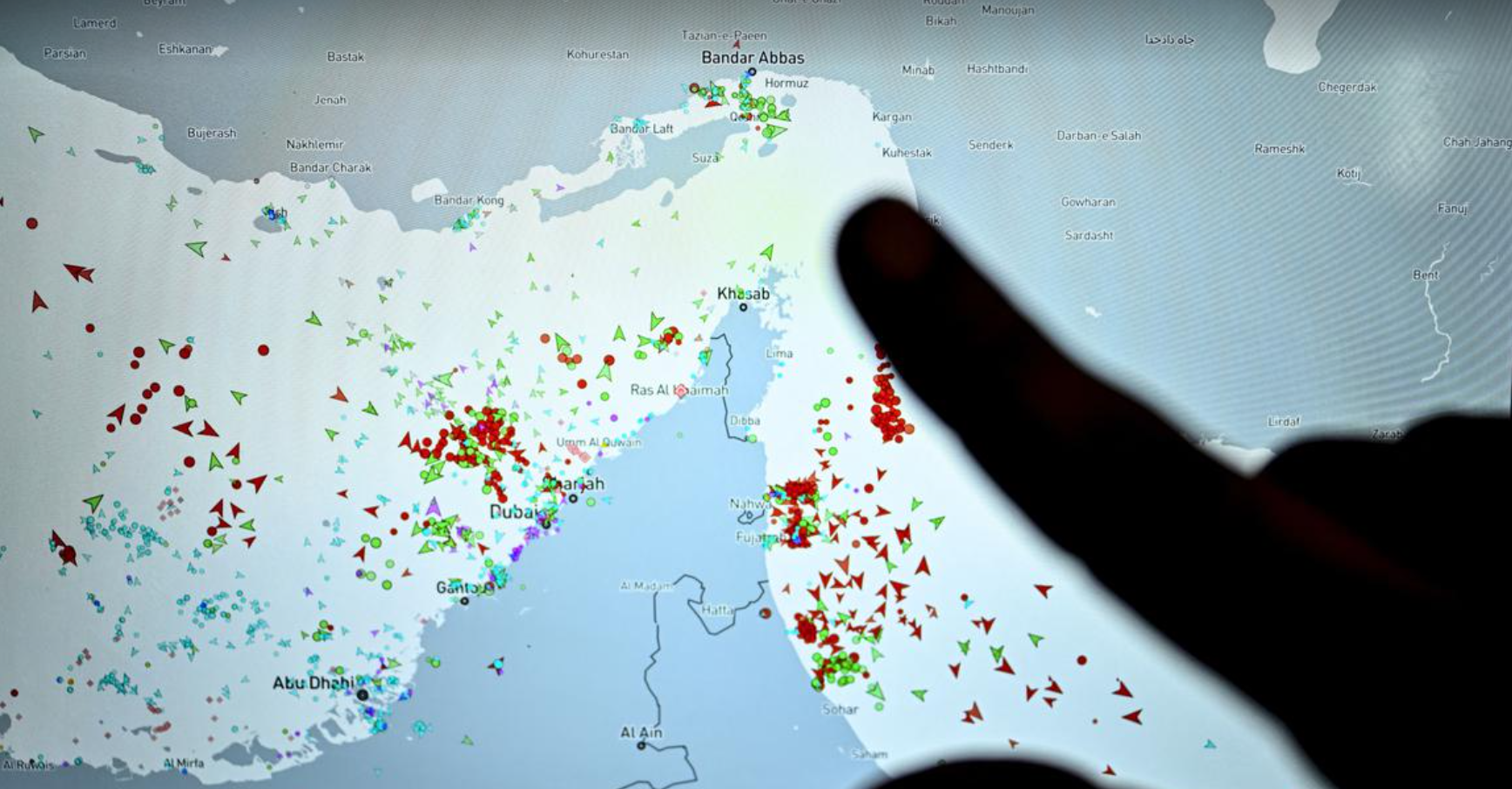
Tankers hesitate, insurers recalibrate, and traders watch the Strait of Hormuz with almost superstitious vigilance. Energy prices twitch at every headline.
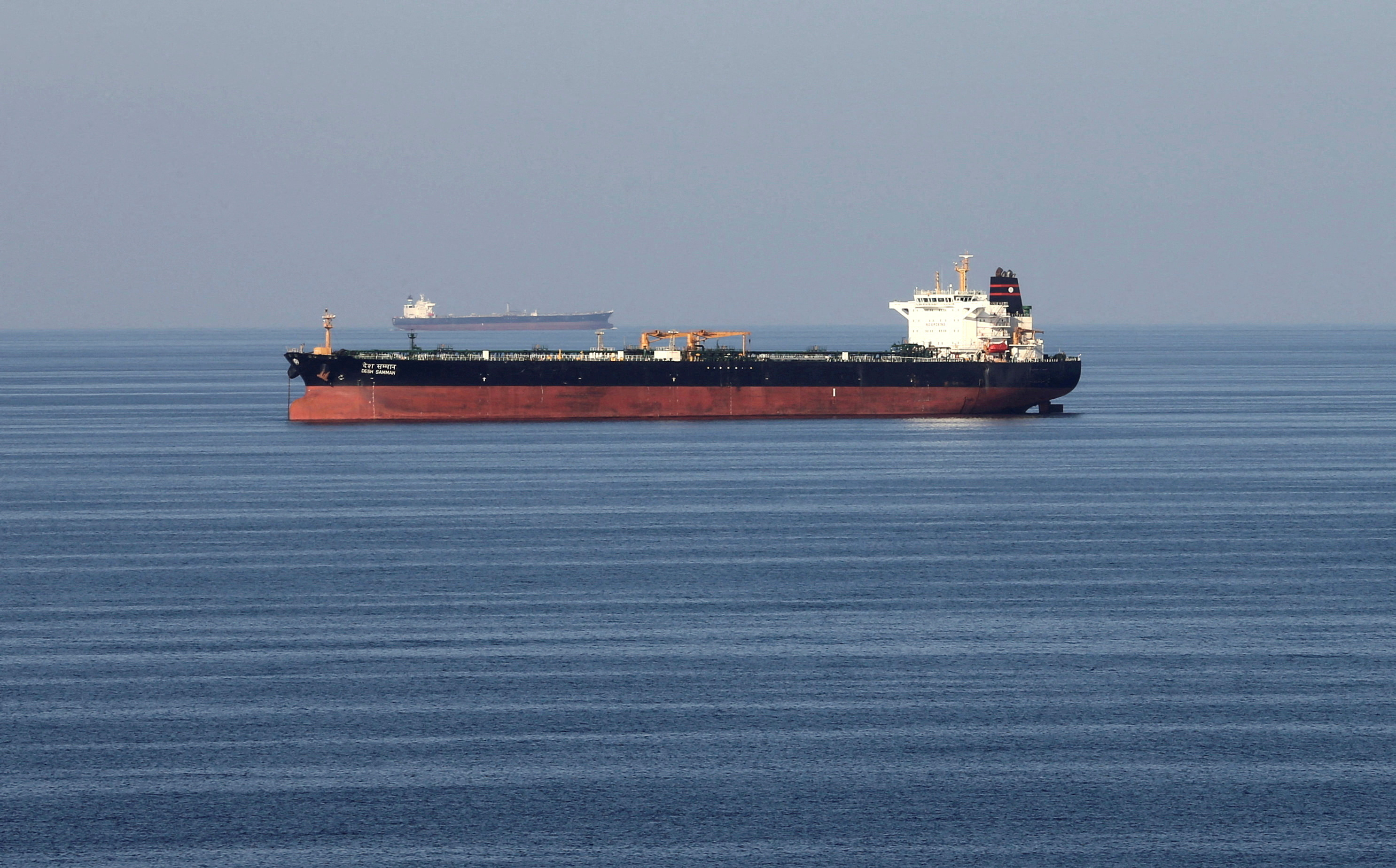
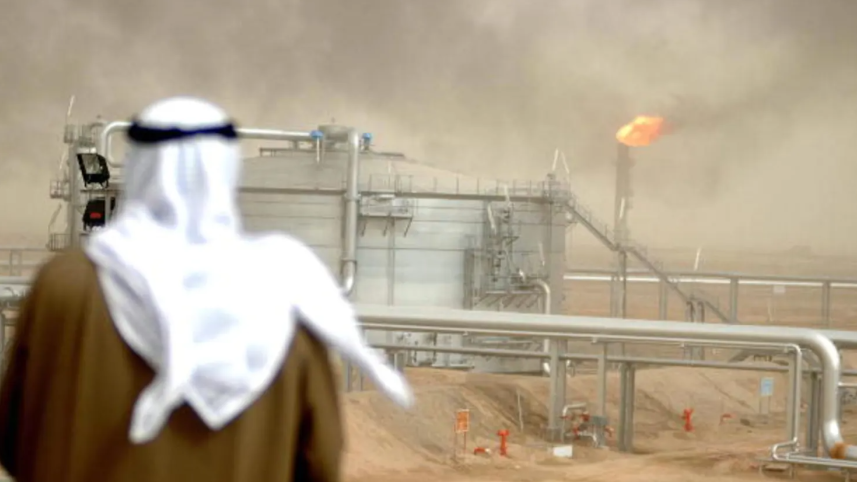
The world, it seems, remains hostage to a region whose subterranean wealth was minted not by kings or corporations, but by the patient alchemy of deep time.
Oil was first discovered in the Middle East in 1908 at Masjid-i-Suleiman in Iran.
This initial find triggered extensive exploration across the region, leading to major discoveries.
Key initial oil discoveries in the Middle East -
- Iran (1908): Masjid-i-Suleiman
- Iraq (1927): Baba Gurgur (Kirkuk)
- Bahrain (1932): Jebel Dukhan
- Saudi Arabia (1938): Dammam
- Kuwait (1938): Burgan
- Qatar (1939–1940): Dukhan
- United Arab Emirates (1958): Murban Bab
A sea before the sand
Long before the Middle East became synonymous with dunes and desiccation, it was a marine cradle.
Around 100 million years ago, much of the region lay beneath the warm, shallow expanse of the Tethys Ocean.
This was no ordinary body of water; it teemed with plankton, algae and microscopic organisms, forming a dense, organic broth that would one day underpin a global economy.
These organisms, upon death, sank silently to the seabed, accumulating in vast, oxygen-poor layers.
Over geological time, sediment blanketed this organic matter, compressing it under immense pressure.
Heat did the rest, transmuting decay into hydrocarbons. What appears today as inert desert was once a biochemical engine, patiently distilling sunlight into fuel.
The ‘perfect storm’ beneath the surface
Oil does not merely require origin; it demands preservation.
Here, the Middle East enjoyed what geologists might call an almost indecent advantage.
The region’s subterranean architecture is a near textbook illustration of petroleum system perfection.
There exists, first, rich “source rock” where hydrocarbons are generated. Then, porous “reservoir rock” -- often sandstone or limestone -- where oil can accumulate. Finally, impermeable “cap rock” seals the system, preventing leakage.
 For all latest news, follow The Daily Star's Google News channel.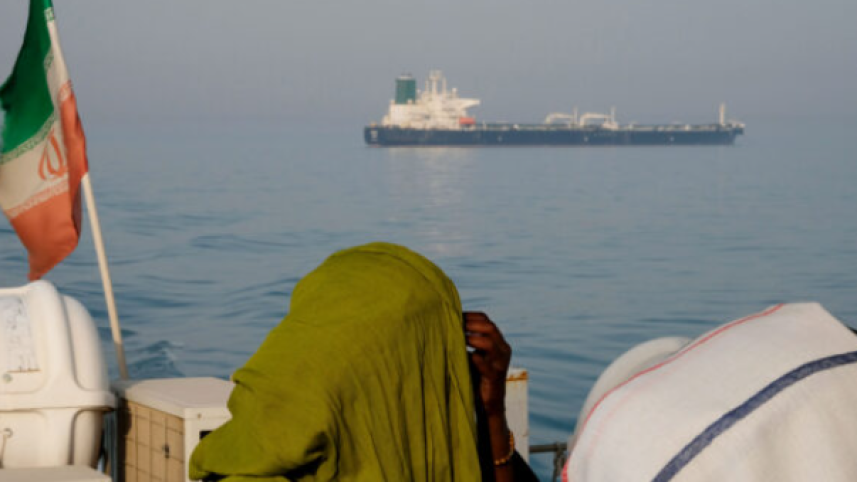
This triptych of geological conditions is rare; its near-ideal alignment in the Middle East is rarer still.
Such configurations allowed hydrocarbons not only to form but to remain trapped in colossal quantities.
Elsewhere in the world, tectonic upheavals -- earthquakes, mountain-building, continental drift -- have fractured or dispersed oil reserves.
The Middle East, by contrast, enjoyed relative geological tranquillity. Its riches were not merely created; they were conserved.
Stability as silent custodian
The region’s geological calm is an understated protagonist in this narrative. Unlike the volatile tectonics of, for example, the Pacific Ring of Fire, the Arabian Plate has remained comparatively stable over millions of years.
This stability ensured that oil reservoirs were neither ruptured nor degraded.
Such undisturbed conditions allowed oil fields to grow vast and contiguous, rather than fragmented and elusive. The result is not merely abundance, but concentration -- a crucial distinction.
Oil in the Middle East is not scattered; it is amassed.
Cheap to pump, easy to trade
If geology explains the existence of Middle Eastern oil, economics explains its dominance.
The region’s reserves are often located in large, shallow, onshore fields. This makes extraction astonishingly inexpensive by global standards.
As reported by CNN, producing a barrel of oil in parts of the Middle East can cost only a fraction of what it does in deepwater fields or Arctic environments. There is no need for complex offshore rigs or technologically intensive drilling. The oil is, quite literally, easier to reach.
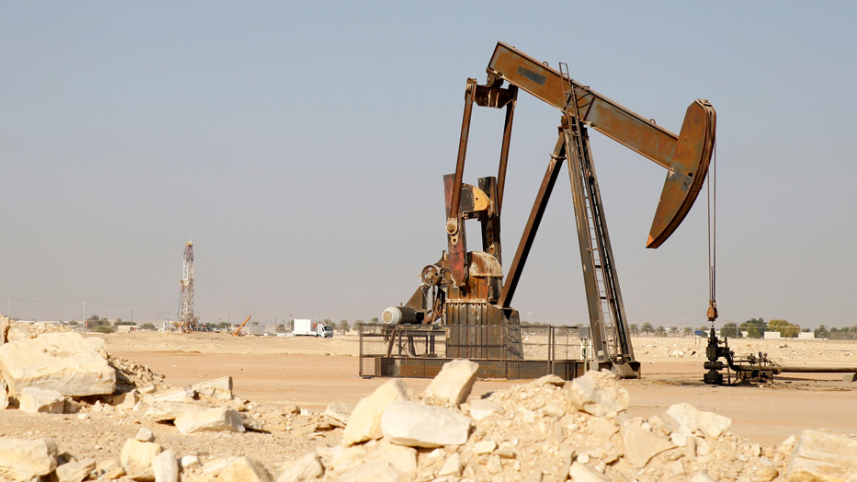
This cost advantage translates into market power.
In a commodity-driven global system, cheaper production often dictates supply leadership.
Middle Eastern producers can sustain output even when prices fall, undercutting competitors and maintaining relevance.
Seduction of ‘sweetness’
Not all crude is created equal.
Middle Eastern oil is often characterised as “light” and “sweet” -- terms that would not be out of place in a sommelier’s lexicon.
“Light” crude flows easily and yields a higher proportion of valuable products like petrol. “Sweet” crude contains less sulphur, making it less corrosive and cheaper to refine.
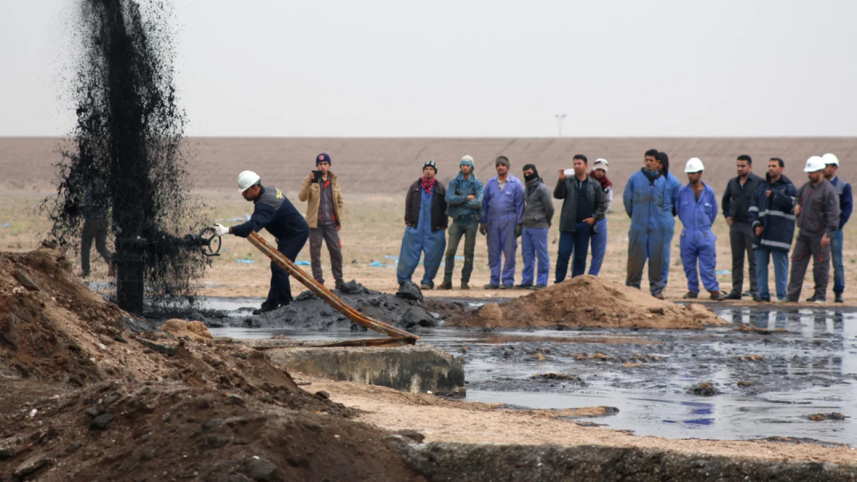
Refineries favour such crude because it reduces processing costs and environmental burdens.
In an industry where margins are finely calibrated, these qualitative advantages matter enormously.
The Middle East does not merely produce more oil; it produces better oil.
Volume, velocity and the virtue of geography
Scale is destiny in energy markets.
The Middle East holds roughly 40 to 50 percent of the world’s proven oil reserves. This concentration allows for sustained, high-volume production that few regions can rival.
Geography compounds this advantage.
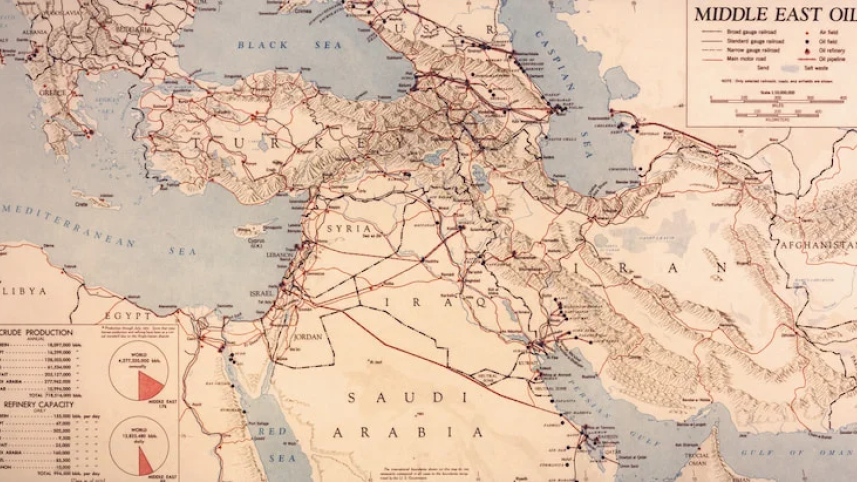
Many of the region’s oil fields lie proximate to the Persian Gulf, a natural maritime corridor.
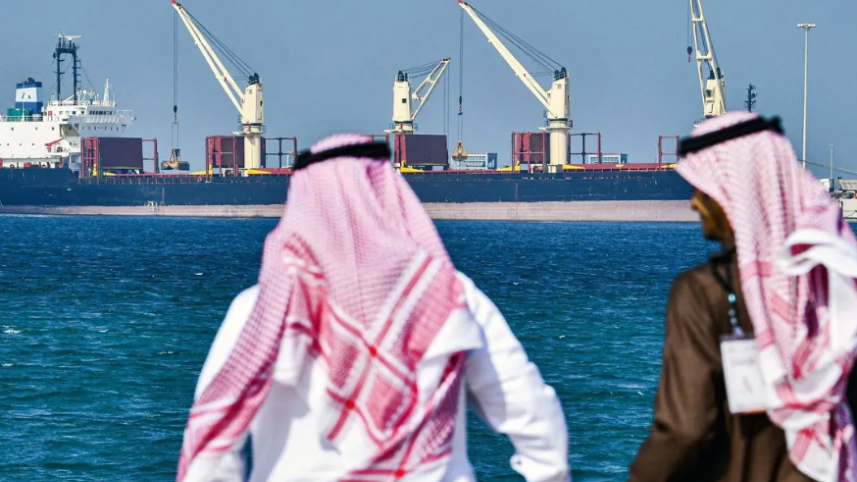
Tankers can load crude and disperse it across continents with logistical efficiency.
This proximity to key shipping lanes reduces transportation costs and enhances supply reliability.
Oil, after all, is only as valuable as its ability to reach markets. The Middle East ensures that it does so with remarkable ease.
A convergence of accident and inevitability
The ancient sands conceal a history written in plankton and pressure, a story where time itself is the chief alchemist.
Middle East’s oil supremacy is neither mystique nor miracle. It is, rather, the quiet inevitability of conditions perfectly aligned -- a subterranean symphony conducted over millions of years, now resonating through the engines of the modern world.

Analysis / Can BNP’s internal purge stem the tide of political backlash?

Analysis / Washington leaves Hasina to Dhaka and Delhi, signals confidence in BNP

Reaction / A life for a smartphone?
Analysis / Unapologetic Hasina names Selim to lead in her absence

News analysis / Yet another blow to the reform process

Analysis / The talk shows that never happened

Tarique’s China visit expected to seal 15+ deals: Chinese analyst

Analysis / PM Tarique’s Malaysia visit signals revival of BNP’s ‘Look East’ policy

The real promise of PM's Malaysia visit lies in education and jobs