


Don’t turn childhood into a rat race

Bangladesh is once again debating how children should enter its most sought-after schools, as the government announced it plans to scrap the prevailing lottery system for school admissions. It will be replaced with some form of examination from 2027.
Education Minister ANM Ehsanul Hoque Milon argued that the lottery system introduced by the previous government does not seem reasonable and that a new system will be decided after consultation with stakeholders.

Before welcoming the return of merit-based admission, it is worth asking a simple question. What kind of childhood and what kind of education system do we want for our children?
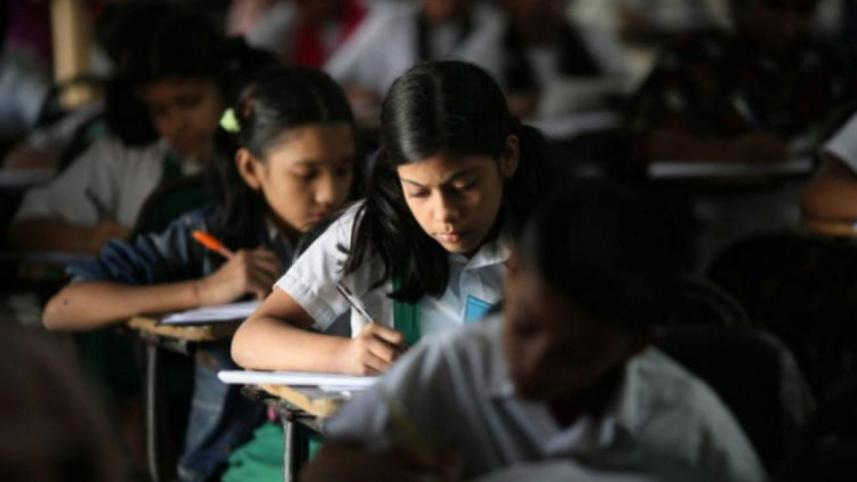
For many years, admission into reputed schools in Bangladesh was a high-stakes contest. Entrance exams were held for institutions widely seen as gateways to future academic success. Some prestigious schools received thousands of applications for only a few hundred seats.
This intense competition had consequences. Coaching centres flourished, parents began preparing children for admission tests at the age of five or six, and allegations of irregularities around admissions frequently surfaced.
To curb this admission war and the accompanying coaching culture, the government introduced a lottery system for first grade admissions in public schools in 2011. Private schools later followed the same system. During the Covid-19 pandemic, the lottery approach was expanded to admissions across all classes to avoid the logistical difficulties of conducting entrance tests.
The rationale was simple. Young children should not have to compete in stressful exams simply to enter school.
But the debate never fully ended. Critics argued that relying on chance undermines merit and motivation. Supporters countered that at such a young age, the notion of merit itself is questionable. Today the country finds itself revisiting that same debate.
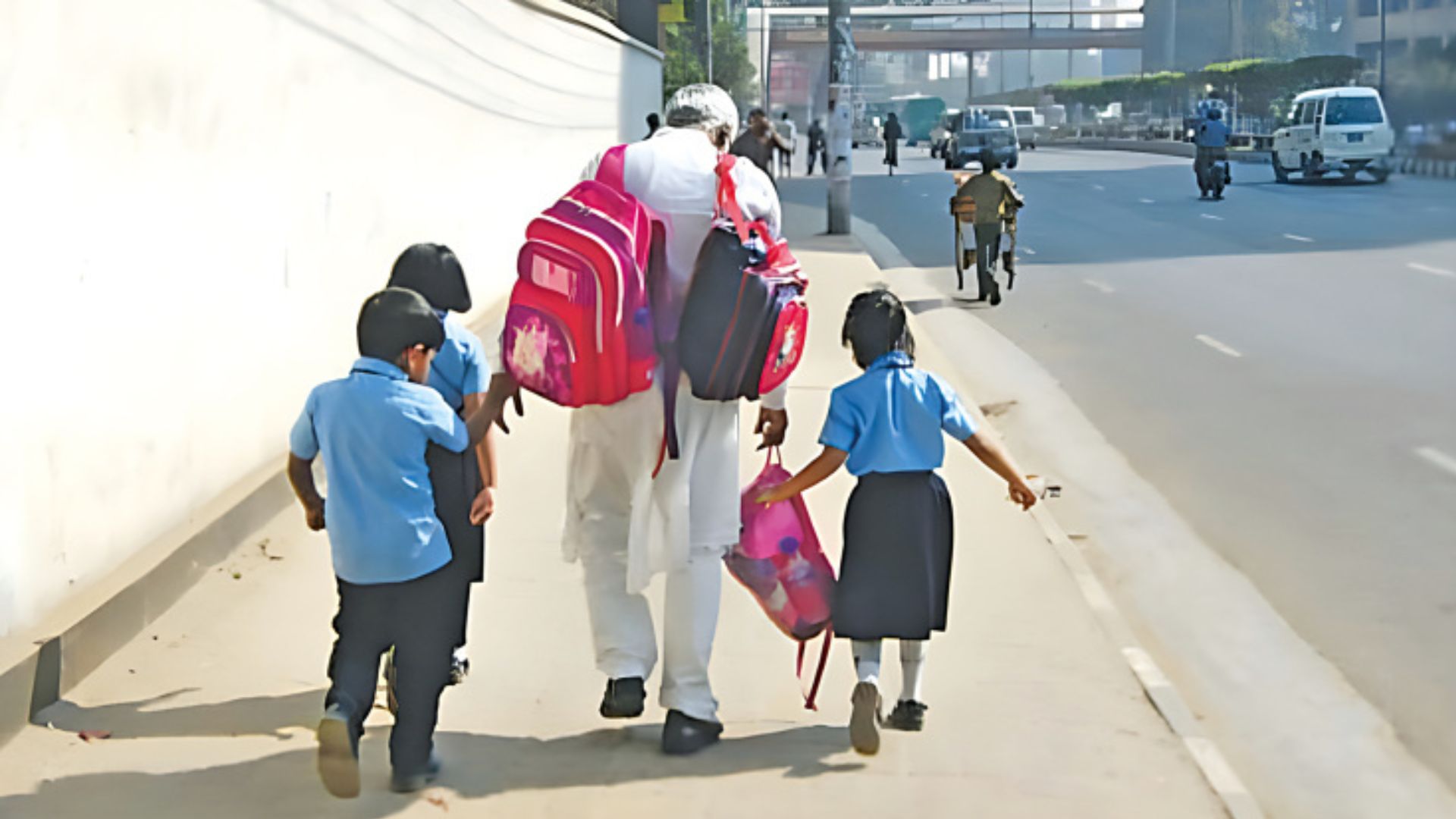
Merit is extremely difficult to ascertain, let alone measure, in six-year-olds. At that age, cognitive and emotional skills are still developing, and differences in academic performance often reflect exposure and support at home rather than innate ability.
Children from well-off families have more opportunities with better education at home, tutoring, coaching, books, digital resources, and a supportive environment while those in poor families generally do not. Early admission exams therefore reward privilege, not talent. Why return to a system that reproduces such inequality in this new Bangladesh?
Past experience also shows that once admission tests are introduced, a whole ecosystem develops around them. Coaching centres promise guaranteed success at an astronomical price, parents spend heavily on preparation, and competition begins earlier and earlier, sometimes even before children can properly read. Education gradually becomes less about curiosity and learning, and more about clearing the next hurdle.
A high-stakes test at the beginning of schooling can send a damaging message to children: success or failure at six years of age can define someone’s worth. Rejection from a desired school can be considered life’s ultimate defeat.
Childhood should be a time for play, exploration, and discovery, not such anxiety and trauma over exams.
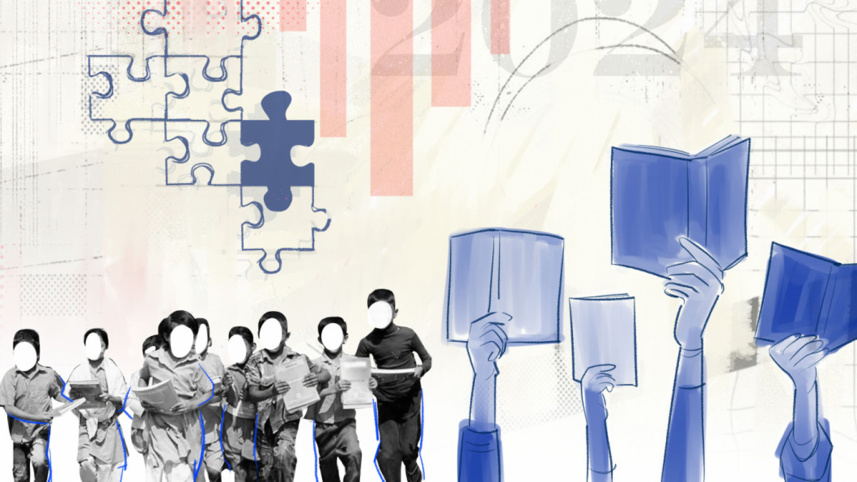
Supporters of merit-based admission still have valid concerns. Many parents worry that their child’s future could depend on a lottery, and some educators fear removing exams may lower motivation or mix students of very different levels.
But the real issue is the uneven quality of schools. In cities like Dhaka or Chattogram, a few well-known schools attract overwhelming demand while many others remain under-resourced.
Changing the admission method alone cannot fix this. A balanced approach is needed. Instead of a straightforward lottery, young children could be admitted through neighbourhood-based allocation.
To make it effective, the government must improve local schools, teacher training, and facilities. It is key that all schools provide high-quality education.
It is no longer acceptable for a few institutions to excel while most struggle. Every child deserves a strong school close to home, so competition for a handful of “top” schools becomes unnecessary.
 For all latest news, follow The Daily Star's Google News channel.
 Countries in Europe and East Asia follow similar models, introducing selective exams only when children are older and ready for competition. Bangladesh could adopt such practices to reduce the unnecessary pressure on children.
Comments