

For the love of herbs
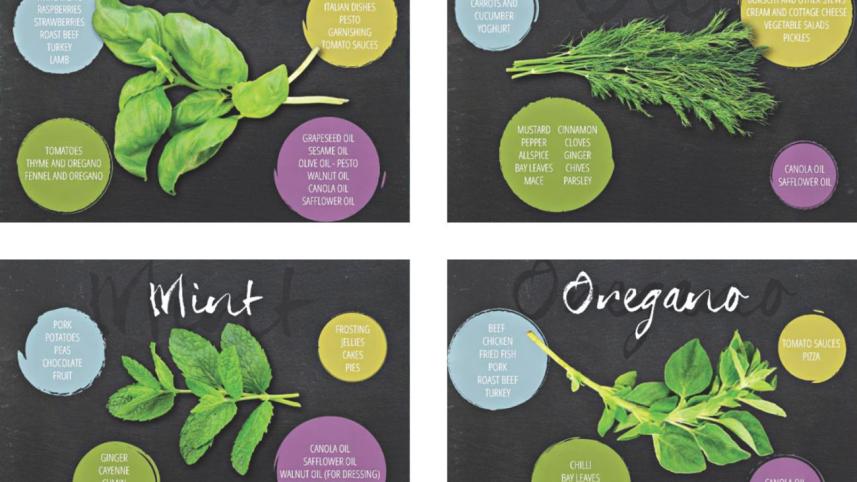
Mint is perhaps one of the most common and favoured herbs. It adds a dash of freshness to any dish, be it a savoury meat curry preparation, or a light fruit salad with some ice cream. Mint adds to the taste of beef dishes, potatoes, peas, pulses and even fruit and chocolate. In savoury and sweet dishes alike, spices like ginger, cumin, cayenne and chamomile go well with mint. It can be used to flavour frostings, jellies, cakes and pies, and can also be spread on top as garnish. Canola, safflower and coconut oil can bring some extra dazzle to a dish with mint in it. Walnut oil is also good for use as dressing. Mint helps in digestion, and works against nausea and heartburn. It is also a stimulant, particularly helpful against headaches, colds, and fatigue.
Basil, commonly known in Bangladesh as tulsi, is one of the most commonly used herbs in cooking a variety of cuisines, from Italian to Bengali and even Thai. It perfectly complements all white meats, turkey, and lamb, and also blends with raspberries and strawberry infused dishes. Other herbs like thyme and oregano sit well with basil, as well as fennel, and it is particularly used in dishes along with tomatoes. Apart from general Bengali cooking, basil also goes well with sesame oil, olive oil, canola oil as well as safflower oil. Basil also acts as an anti-depressant, and makes into an excellent tea. It can also help the body stimulate hormones that regulate the natural response to stress.

Coriander, also known as cilantro, is another popular herb in Bengali cuisine, and it also has a solid standing in the culinary practices of the world. In fact, seeds of coriander were found in the tomb of Ramses II! It is preferred in dishes with beef, chicken, fished, especially when grilled, and of course, pickles, to add a touch of freshness to dishes which are somewhat heavier on the stomach, and is a good source of iron.
Oregano is another versatile herb, serving as a good flavour boost for all types of meat like beef, poultry, fish, and turkey too. All roast preparations can use a dash of oregano, accompanied by chilli, bay leaves, marjoram, thyme, basil and fennel. Oregano is a must for all pizza items, and blends into sauces very well. Canola, safflower and avocado oil go well with oregano. Oregano is beneficial to the digestive system, protection against indigestion and heartburn.
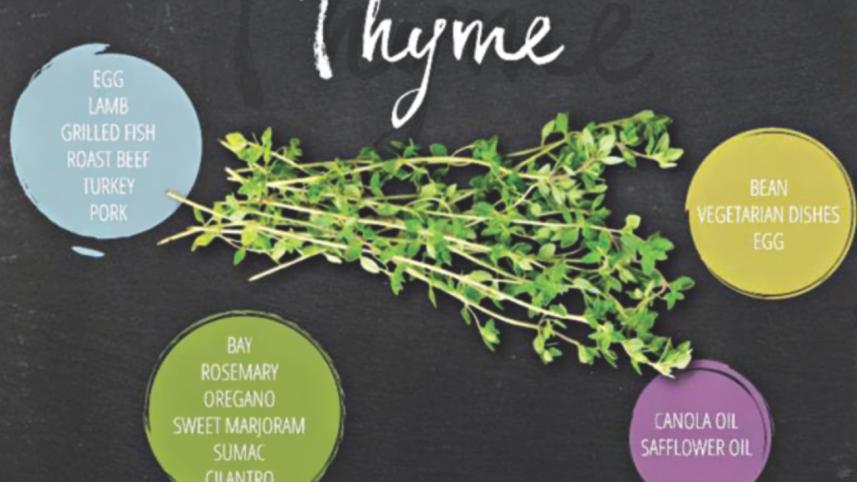
Thyme, another popular herb in multiple cuisines, is a good choice for dishes made with beef, fish, egg and turkey too. It also sits nicely with beans and vegetables, and blends with the flavours of bay leaves, rosemary, oregano and coriander. Canola and safflower oil are good partners for thyme. Thyme adds a tangy and warm touch to the dish's flavour and can be added to marinades and any stuffing too. It can also be used in teas. Thyme has strong antibacterial properties, and can protect from mouth and throat infections. It is also good against common colds.
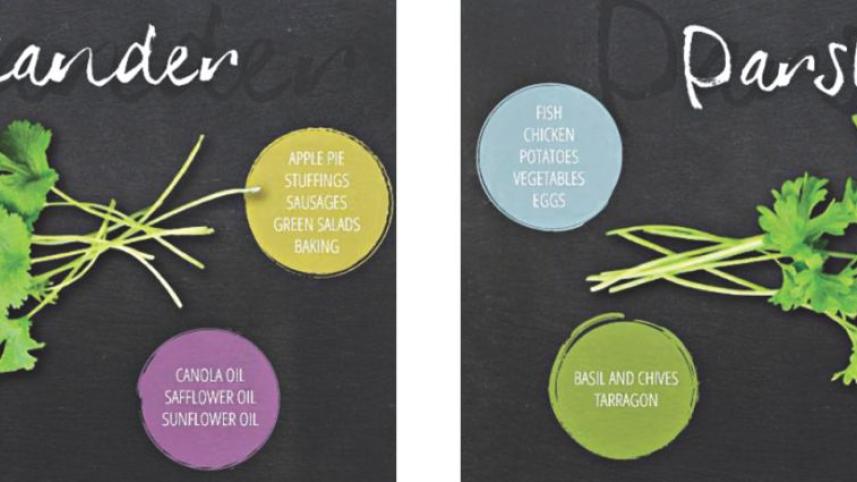
Parsley is another useful herb to master, and favours preparations of beef, fish, vegetables, potatoes and eggs. Basil, chives and tarragon go well with parsley, which is particularly suitable to soups and pasta dishes. It can also be used as garnish, when finely chopped. Butter, and canola and safflower oil bring out parsley's flavour nicely. Parsley is rich in many vitamins such as C, B 12, K and A, and helps to keep the immune system and the bones strong. It is also good against high blood pressure and joint pain.
Dill, or the Shoa Pata in Bengali, works well to enhance the flavours of salmon and other fish, and dishes that also have carrots, cucumbers as well as yoghurt. Dill's flavour, which often comes across as sweet and citrusy, blends well into dishes like stews. It also goes with cottage cheese preparations, along with salads and pickles. Herbs like mustard, pepper, cloves, cinnamon, ginger, parsley, chives, mace and bay leaves mix well with dill, and oils like canola and safflower can be used to add variety to any dish's taste. Dill is good against stomach ailments, heartburn, cold/flu, and insomnia. It also helps bone and teeth health.
Sage is an evergreen woodsy herb, and suits a whole plethora of preparations like sweet fruits and vegetable preparations, squash, sausage, cheese dishes, beef, fish and turkey. It is particularly suitable for savoury winter dishes, infused with lemon. Sage holds its flavour for long, so it is a good ingredient to put into slow-cook recipes, as well as stuffing and even burgers. Canola, avocado and safflower oil bring out sage's flavour nicely. It helps with indigestion, and has anti-inflammatory, antibacterial and antiseptic benefits.
By Sania Aiman
Photo: Collected
 For all latest news, follow The Daily Star's Google News channel.


Comments