

The call of Adhan
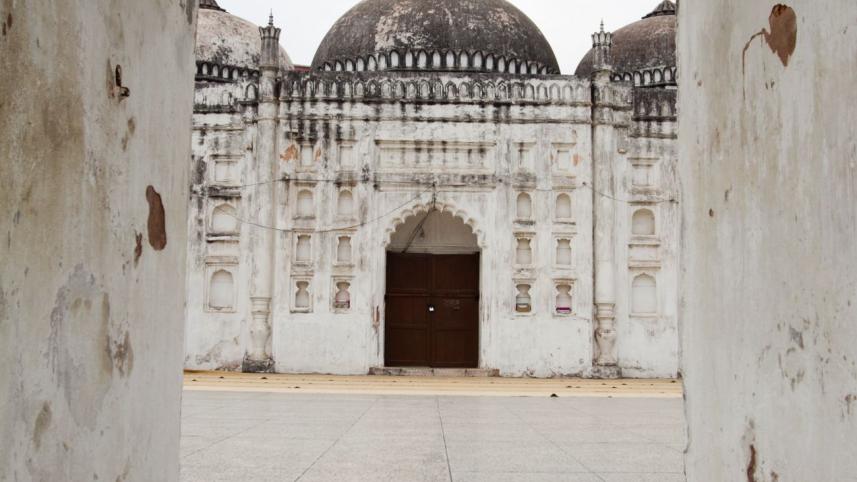
As the white thread of dawn appears distinct from the black, the call for prayer resonates throughout the city; Dhaka responds to the proclamation and wakes up to the invitation of the muezzin.
"Allah is the greatest" – he repeats in two sets of two.

"I testify that there is no god but Allah...
"I testify that Muhammad is the Messenger of Allah."
And after a brief pause the appeal continues -
"Come for prayer; Come for success."
There is something mystical about the call of the Adhan. The same divine summon is sent five times a day to call humanity to stand shoulder to shoulder among brethren and prostrate before the Creator. The Adhan is essentially a summary of the Islamic belief; the lines that float through the air are to penetrate deep into our hearts and stir the human consciousness to ultimately surrender worldly desires for an eternal life in the hereafter.
Throughout the world, the congregation of Fajr holds a special place among devotees; yet it is possibly in the Muslim nations where the social significance is most evident.
The city yawns and wakes up at the break of dawn. Even before the shutters of the grocery shops go up, preparing for yet another day of business, men are seen walking briskly towards the neighbourhood mosque, with prayer beads in one hand and a miswak in the other.
[gallery id="1235248"][/gallery]
A look back at history takes us to the time the holy Prophet (PBUH) introduced the Adhan based on the need for means to call people to the mosque for the congregation of the five obligatory prayers.
Our earthly bonds put shackles on our soul and prevent us to be free but for those who respond to the call of Fajr prayers every morning, life takes a new start.
As the small congregation prepares for the Morning Prayer a world remains asleep; perhaps we should pay heed to the call because truly 'prayer is better than slumber.'
By Mannan Mashhur Zarif
Photo: Sazzad Ibne Sayed
 For all latest news, follow The Daily Star's Google News channel.


Comments