


THE PHOTOGRAPHY boom
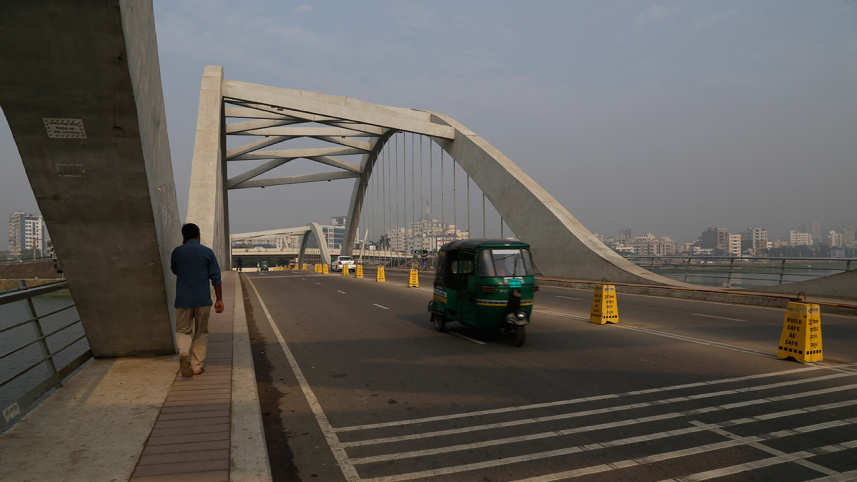
They say a picture is worth a thousand words. If that is the case, which indeed it is, nowadays there are billions of words and stories flying about Bangladesh, in the past decade or so, has witnessed a phenomenal growth in the photography industry. One of the single biggest passions you may find in the youth of today is undoubtedly photography.
They say a picture is worth a thousand words. If that is the case, which indeed it is, nowadays there are billions of words and stories flying about Bangladesh, in the past decade or so, has witnessed a phenomenal growth in the photography industry. One of the single biggest passions you may find in the youth of today is undoubtedly photography.

There is an army of experienced, senior and well celebrated Bangladeshi photographers There is a segment of young photographers who have taken this job seriously, signing up for trainings and workshops and receiving prestigious awards for their work. Another chunk seem to focus on simply earning quick money, or promoting themselves among 'friends' in Facebook -- with no regard to the dedication and know-how this art form requires.
All of them make together the photography industry, and they have all contributed -- whether in a large scale or small, whether in a positive way or detrimental -- to the fervour this market has seen.
Chobi Mela VIII
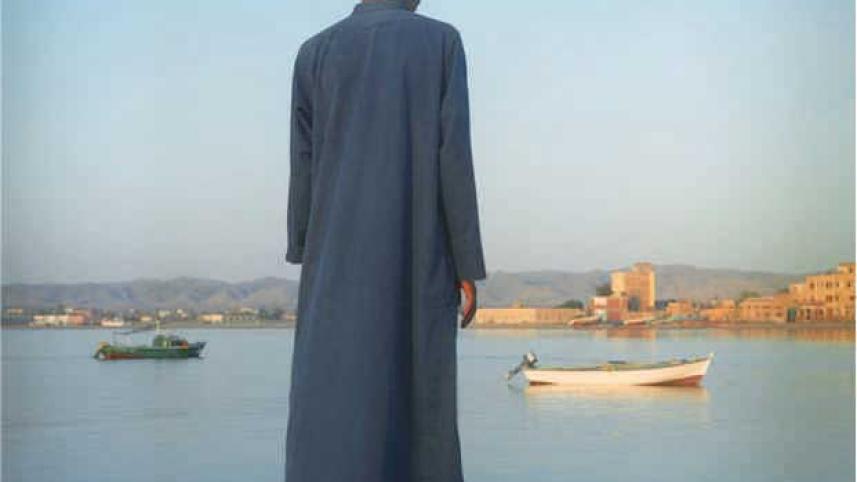
Given the phenomenal growth, it is no surprise that the biggest photography festival in Asia takes place in our country. On 23 January, the eighth Chobi Mela is going to begin, and it will run till 5 February, 2015.
Chobi Mela, where renowned photographers from around the world participate, is a huge learning opportunity for all photographers. Abir Abdullah, a highly celebrated photographer, who works at European Pressphoto Agency and also teaches at Pathshala South Asian Media Institute, discussed the benefits budding photographers can draw from Chobi Mela. "Since the festival features works of many brilliant photographers, it is a window to the aspiring ones, through which they can know the enormity of the variety of subjects and genres photographers can work on. It is an eye-opener," says Abdullah.
Another novel (and noble) activity Chobi Mela undertakes is the mobile exhibitions. The exhibits are carried on rickshaw vans that move across the city. "Art is for everyone," Abdullah believes. "Chobi Mela brings the works of master photographers to the common people."
Of struggles, dreams and opportunities
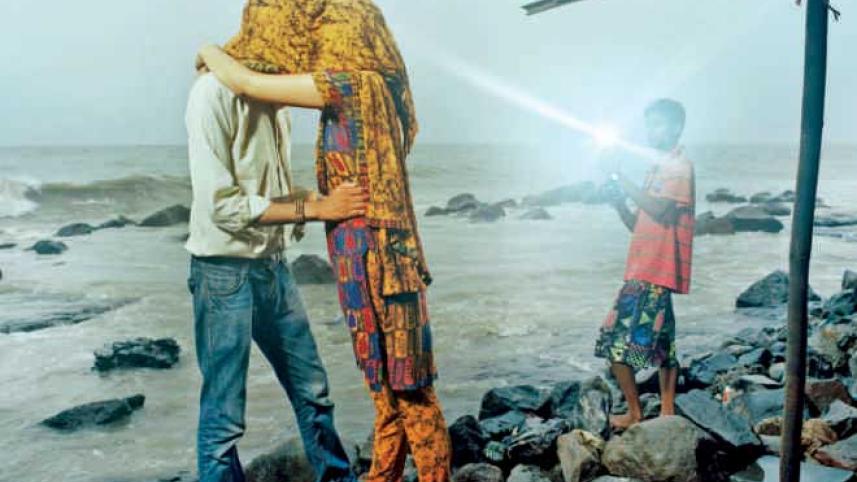
Abir Abdullah has been in the photography scene since the early 1990s. During that time, there were relatively few exhibitions being held. The hype was nothing compared to what it is today.
Shafiqul Alam Kiron is a well-known photographer, who works in Map Photo Agency. He also remembers the struggles he faced in the '90s and how things have changed.
Consider the advent of the internet, for example. "Previously, if you wanted to see the works of great photographers, you would have to get hold of books which were often quite expensive," recollects Kiron. "Nowadays, you just need to go online."
Abdullah also spoke of the benefits the internet has brought in. "Sending your portfolio anywhere in the world just takes a matter of seconds," he says.
One factor that hugely contributed to the photography boom is of course, the availability and convenience with which you can buy professional cameras.
Meanwhile, the number of clients has also increased. And hence, young, talented people now have more courage to join the industry. "The stigma is gradually waning away. Previously, parents would be more sceptical if their child wanted to become a photographer. With jobs and freelance work in abundance and various awards and exhibitions, parents are more considerate about letting their children pursue a career in this field," Kiron says.
The rise of 'Facebook photographers'
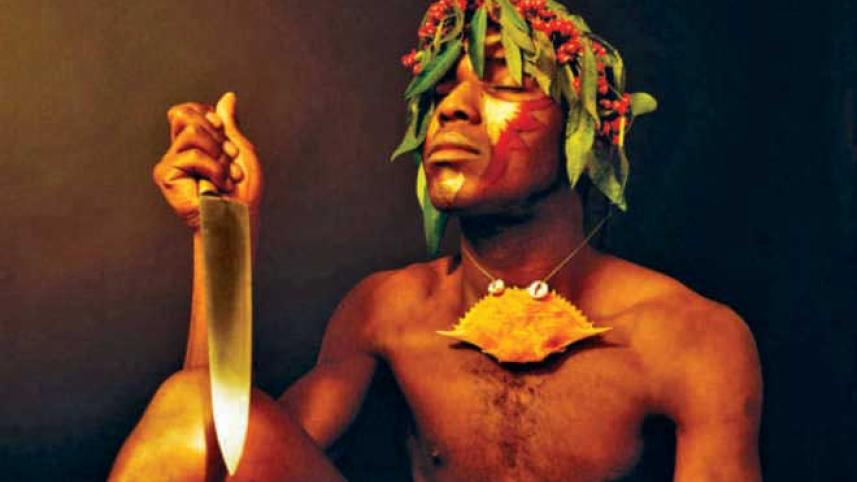
One fine morning, you become passionate about photography. Soon, you save up money or take a loan from your parents and buy a DSLR camera. You start taking photographs of everything, everywhere you go. You upload them on Facebook, and you are flooded with likes.
Eventually, a wedding ceremony of your cousin comes up. You go there and take photographs (if you were lucky, your cousin might have hired you as the official wedding photographer).
Then, you edit the photos and upload them on Facebook, this time with your signature watermarked on them. Eventually, you open up a Facebook page, promoting your photographs.
Congratulations. You have become a photographer!
But have you, really? What many people among the young generation fail to understand is that photography, like any other art form or discipline, requires immense dedication, hard work and intellectual investment.
Scroll down the homepage of your Facebook account, and you will see numerous examples of 'Facebook photographers'. Just because someone has a camera and gets hundreds of likes on Facebook do not make him/her as a photographer.

Meanwhile, many are taking up freelance jobs, selling out at very cheap rates. This is harming the industry in a very bad way. Of course, there are now many clients who have good aesthetic senses or at least understand the value of good photography. Nevertheless, a lot of clients still opt for cheaper substitutes, counting on photo editing. This needs to change.
"Quantity has increased exorbitantly. What about quality?" Abdullah complained.
We are not against promoting your photography venture on social media. After all, it might also be a process, where one casually starts photography, becomes encouraged and eventually takes it up professionally. And businesses large and small, all across the world, promote themselves through social media.
The point here is that, along with carrying on the promotional aspect of your endeavour, it is vital that you invest a high level of dedication and learning, focusing on quality, not just on quantity.
 For all latest news, follow The Daily Star's Google News channel.
Comments