


On the third day of Eid
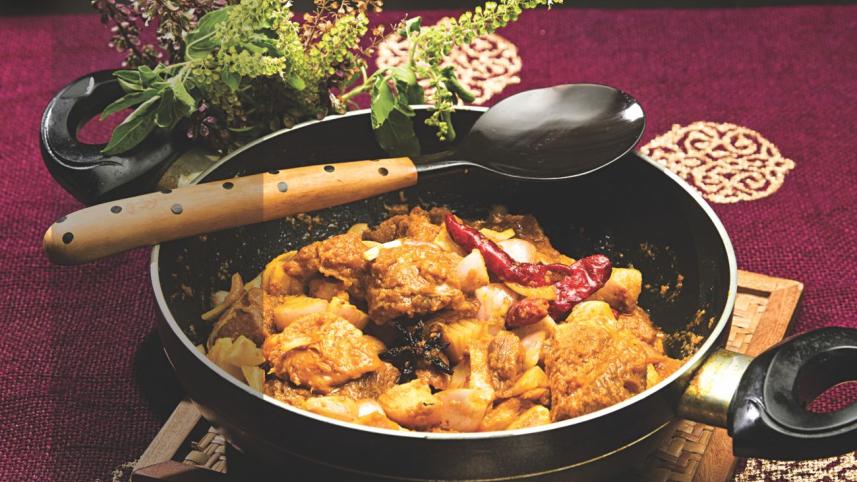
But of course, from early afternoon, the first batches of meat start arriving onto the table. And the dinner is a family affair not to be missed.
My preference for the third of Eid-ul-Adha comes for various reasons. By then, Qurbani logistics are usually over and friends are finally done with those mandatory 'dawats' and can escape for a barbeque party. The nihari, which needs to be slow-cooked for many hours, is finally perfected. Moreover, the fact that it is the last day of Eid vacation for many of us, makes it even more valuable.

Be it for the glutton or for the social bee or office goer, the third day of Eid is priceless. So what could be the special menu for this special day—the million dollar question is now answered here!
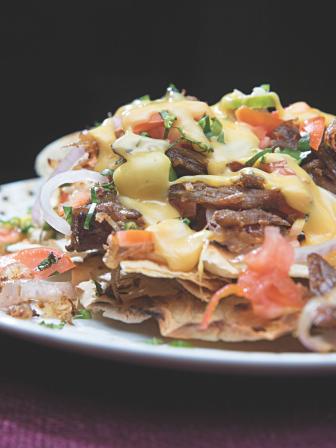
Like a King
Eat breakfast like a king, a common health advice goes. If I were a king, l would order the royal kitchen at my disposal to make nihari for me. I would likely be a king with cholesterol problems, wouldn't I!
But come Qurbani, home-cooked nihari/paya is a must. Trotters are a tough lot, given that they are heavily used or exercised by the animal during its lifetime. Abdullah Tareq, chef and hospitality consultant, says, "The legs of the cattle have a lot of connective tissues and muscles; and lesser meat, comparatively. In order to break those down, we are looking at about eight to ten hours of cooking."
Slow-cooking is key for these dishes, and by breakfast time of the third day of Eid, after several hours of simmering, the nihari reaches perfection. The gelatinous texture, flavourful stew and the bone marrow are worth the indulgence.
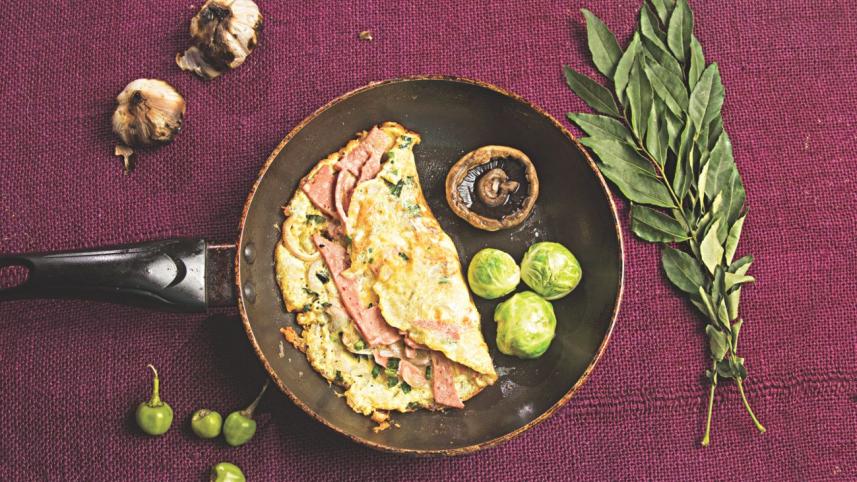
Meanwhile, if eggs are your breakfast staple, then we suggest you to beef up your omelette - quite literally. To make a beef omelette, you need ground beef, tomatoes, onions, capsicum, garlic, and potatoes. You can easily improvise upon the final product. There are a few variations of the dish, just go through a couple of websites if you need more help on the basic recipe.
A beef omelette elevates the simple omelette into extravaganza - an Eid-ul-Adha special.
An extravagant lunch
If extravagance is what you want to see on your lunch table, then nothing beats kachchibiriyani. This stand-alone dish with meat, rice, potato and myriad spices is kind-of-officially the Bangladeshi celebration food, called upon on special occasions like weddings.
If you are going to slaughter a goaton Eid-ul-Adha, then from the culinary aspect the best use you can make of it is to cook kachchi.
Cooking kachchibiriyani, however, is a feat best left for the professional baburchi. For us regulars or experimental cooks, 'pakki' biriyani should suffice. Unlike kachchi, its adapted version involves cooking the meat beforehand; and only then putting the meat and rice into layers- and hence the term pakki, referring to cooked meat.
[gallery id="1281100"][/gallery]
If you must have something alongside it - or if you want to take a shortcut and opt for pulao instead - a dish called'Hussaini Curry' can be tried out.
Hussaini Curry is essentially 'Beef Cubes in Coconut Gravy'. I stumbled upon the recipe in the book, 'BoshaBhat to Biryani: The Legacy of Bangladeshi Cuisine' written by NiazZaman and published by University Press Ltd (UPL).
Skewer beef and ginger pieces into bamboo skewers. Fry onion slices till golden brown. "Put in salt and the rest of the spices -- ginger paste, garlic paste, chilli powder, and turmeric powder -- and brown them well," Zaman wrote. Then, put the skewered meat into the pot and shake the pot to brown them. "Add the coconut milk and simmer on a low fire till the water has dried up and the meat is tender," Zamanadds.
Of course, this is just a rough idea, get hold of the book for the full recipe!
Evening flames
Barbeque party is extremely popular on Eid-ul-Adha. And so, as a host, you ought to ask: what sets my grills apart from the herd?
 For all latest news, follow The Daily Star's Google News channel.
 First, get the cut right. Back to Abdullah Tareq, the chef suggests, "The portion above the ribcage is one of the ideal cuts for grilling. It is very tender, and barbeque is all about fast cooking. Make sure that the fat content is high. Fat keeps the meat moist and makes the end-product juicy, whilst a piece of meat without ample fat dries up."
Every host should improvise on the barbeque sauce and keep adding and deleting and reinventing it from time to time. Even if you buy the barbeque sauce, still experiment and add your own twist. The list of possible ingredients one may use is endless - mustard, ketchup, tomato paste, soy sauce, black pepper, wasabi paste, sugar, vinegar, paprika and so on - and endless are the possible variations of barbeque sauce.
'Chaap' is another option for the evening meal. Just tell your butcher to separate some of the 'chap-ermangsho'. "The local butcher is unlikely to identify cuts like loin. Typically, he is likely to give you 'shina', leg, the neck and shoulder, offals and so on," Tareq says. "So, be ready to speak their language and do not expect them to bring out cuts ready for, say, sirloin or tenderloin steak."
The butchers can provide you offals, brains, liver and the like, which are all fantastic with 'luchi' or 'naan'.
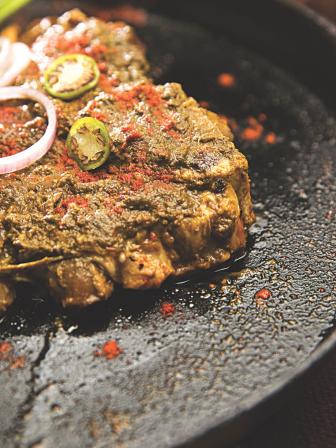
Like a King, again
(and not like a pauper)
Wisdom says to eat dinner like a pauper, they say. My apologies, but during Eid-ul-Adha, I will not pay heed to such advice.
So, you should perhaps sit with a whole leg-roast on the dinner table. Or, you may also opt for lamb shanks. Or, go Italian with lasagna. This is a dish that can feed several people, and who doesn't like ground beef and cheese - and lots of it too, from ricotta to mozzarella to parmesan?
If you don't have the energy or do not have guests to entertain for dinner, just go with the simple beef and potato curry, and rice, a staple in the Bangladeshi household during Eid. It is not a cliché, rather a classic. With the curry and plain rice, and along with diced onions and chillies on the side - one can hardly go wrong.
Anyway, when you have red meat on the table, things are not likely to go wrong! But after the third day, once the feast is over, get back to your usual diet. Don't let those cholesterol numbers go off the chart!
Here's to a happy Eid!
By MH Haider
Photo: Sazzad Ibne Sayed
Food Styling: RBR
Comments