


Sold On The Cold: The Magic of Winter Bazaars
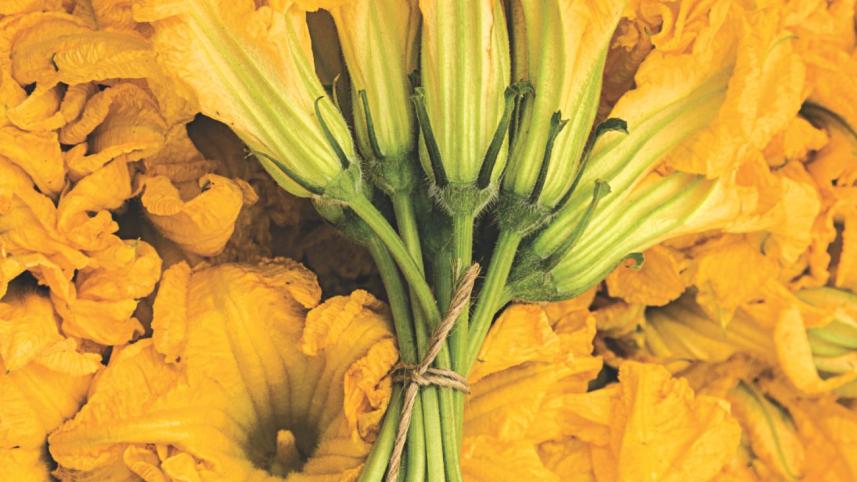
A mad rush seizes an area which could be classified as almost barren just last night. Loud voices pierce the stillness of the chilly morning, promising great prices, peddling false claims and calling out random numbers. This is the winter bazaar, where the dullness of the winter is momentarily forgotten by the ironical colourful bounties of the season.
An inescapable part of growing up for almost everyone is going to a local bazaar and by bazaar we mean the real bazaar: the 'kaancha bazaar.' Every respectable location in the country boasts their very own bazaar and rightfully so. Without the presence of such wholesale grocery stores all in one convenient location, you could hardly ever expect to get your fill of all the goodies winter has to offer.

Winter in Bangladesh doesn't mean snowfalls and lie-ins as we all know. Rather, this season is one of celebrations with weddings, BBQs, picnics and trips to the beach being the defining occasions. An oft-ignored but equally important celebration is of course the indulgence in Mother Nature's gifts and this season there are many.
Winters in Bangladesh mean beans, tomatoes, spinach, beets, turnips, radishes, carrots, cauliflowers, cabbages, cucumbers, gourds, snake gourds, okras, green peas and pumpkins, among many others. Each of these delicious treats is grown in the districts surrounding Dhaka. From the farmers, the crops go to the wholesalers, who then ship them to the many local bazaars.
[gallery id="207466"][/gallery]
Before the strike of dawn, bazaars around Dhaka start coming to life. Trucks pull in carrying the necessary wares for the following day. The trucks are circled by groups of young boys, some hoping to help with the unloading legally whilst others stick around for the freebies that happen to drop every now and then.
Shop keepers come within the hour, opening up their shutters, buying their goods for the day from the trucks and then watering them up. Some of the choicest ones are sliced and put on display to lure the customers.
Of course, one vegetable piece being fine isn't the same as all being fine; if you ever see a customer discreetly popping peas in a pod, it's because he knows the fresh ones crack and in the winter bazaar, no one can be trusted.
Once the grocery shops are set up and the vegetables ready to display, other shutters start going up. The first one is always the tea-seller, who is there before the shopkeepers, waiting for the truckers desperate for a sip after a long drive. As the nearby restaurants open their doors for the day too, a steady throng of customers begin to arrive. There are those who have just dropped their children off to school, an erratic teenager who has just been forced to shop for his mother to show responsibility, husbands who rather not let their wives decide the menu and of course those who shop early in the morning just for the thrill of it.
If you have had a grandfather or grandmother, then you'd be able to ask them the joy they derive from their early morning soirees of sorts. The bazaar is great for people of this age group to catch up with each other as well.
By the time, its 1:00pm and the schools are out, the bazaar sees its last crowd of buyers. As the sun begins to fade once again and a chill sets in the air, the hullabaloo draws to a close.
Of course it won't end till at least 12:00am. A few people still come to get lucky, hoping to pick up fresh unsold vegetables at discounted prices before they rot in the night.
Storage is a concern and the cardboard boxes don't do as stellar a job as one may think. The grocery store and butcher shops begin to close. The colourful display of the vegetables, whatever remains of them, is covered in a blue plastic; sleep tight, don't let the locusts bite.
A lone stall still stands baring the coming cold, a small crowd of people gathered around it, drinking tea, chewing betel leaf.
The 60 watt light bulb illuminates whatever it can before the dense fog takes over. The light goes off; the tea seller leaves. Another light bulb turns on at yet another tea stall. The trucks are coming. Tomorrow will be a brand new day.
By Osama Rahman
Photo: Sazzad Ibne Sayed
 For all latest news, follow The Daily Star's Google News channel.
Comments