


Colours from lives unknown
Today is the International Day of the World's Indigenous Peoples. It is not common knowledge that Bangladesh is home to about 35 ethnic communites, roughly consisting of 2.5 million people – 1.5 percent of the population.
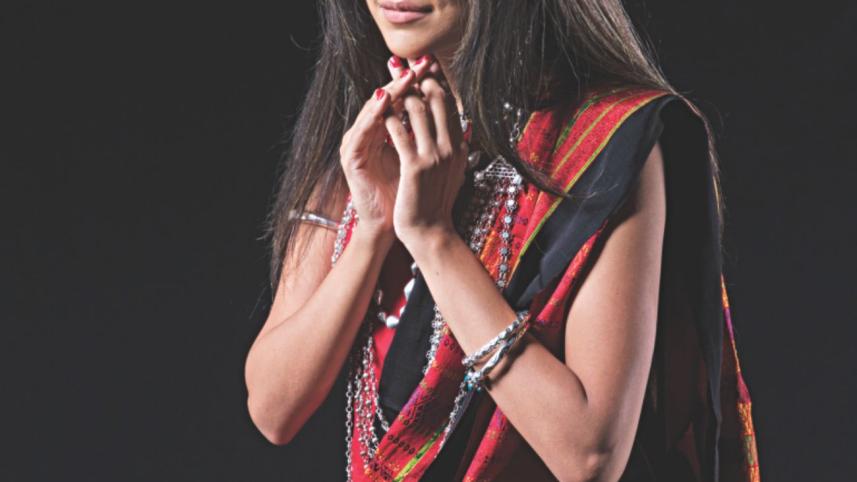
They boast a culture rooted in traditions and rites that go back generations. From the colourful attires they weave in their looms, the ethnic jewellery the women wear, to the delectable dishes that are served as their meals – they collectively add colour to our national identity in more ways than one.

This week, Star Lifestyle focuses on some of the smaller aspects of the larger lives they lead, exploring the varied cuisines and the colourful garments that make these communities such an integral part of our culture.
---
The simplicity of the lives of most ethnic communities cannot be stressed enough. Their lives can often be remarkably different, especially for those who remain in their ancestral lands, far from the chaos of urban life. In most communities, men and women work side by side in the fields, sometimes dividing their work on household chores and work chores, each individual a vital cog of a tightly-knit community.
Reared in the lap of nature, often times these communities are inspired by Mother Earth and their embellishments and embroideries, along with their taste, reflects this symbiosis.
[gallery id="1266718"][/gallery]
One of these communities consist of the Shaotals, source of inspiration for many a writer who romanced in their simplicity. The women have a nonchalant sense of style, complemented by a fascinating outlook on fashion. Ordinary homespun coarse cotton saris in vibrant hues form the central piece of their ensemble. They love to adorn themselves with flowers and tattoos and are equally fond of wearing oddly shaped ornaments on their ankles.
The Garo women, on the other hand, really love to over embellish. They adorn themselves with different ornaments and trinkets made of silver, brass, beads, tainted glass, ivory and shells, and they usually wear them together, all at once. The jewellery that they wear has now become a source of inspiration for multiple style icons, who borrow elements from their everyday fashion accessory to create chic and cosmopolitan designs.
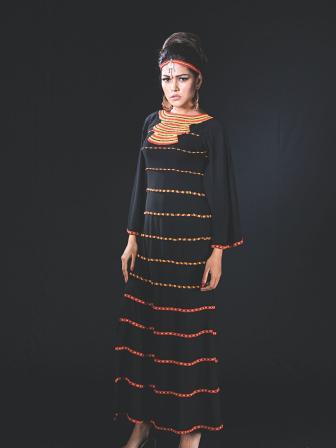
The traditional dress for the Tripura men includes a dhuti and a Khaban, which they prefer to wear during festivities. Crescent-shaped silver earrings are worn by men and women alike. The women wear necklaces made of beads and shells, nose skewers and ornaments on the hair, neck, wrist and ankle. But it is not only their fashion that inspires scrutiny; their food preferences too are a healthy mix of delicious and nutritious and often, very colourful.
Another distinguishing factor of most tribal communities of Bangladesh are their culinary heritage. Although an untapped treasure-trove, a peek into their food culture reveals a new dimension completely missing from the traditional Bangladeshi kitchen.
The Jaintias think of dried fish as a delicacy, although pork is their favourite dish. Shrimp paste and bamboo shoots are the traditional ingredients in food for the Chakma community.
Bamboo shoots are considered to be a delicacy for Garo people; and for the Shaotals, jute spinach is a popular treat. Some indigenous communities, such as the Garos and the Shaotals, hunt for wild animals like deer, pigs, turtles and squirrels which their religion permits them.
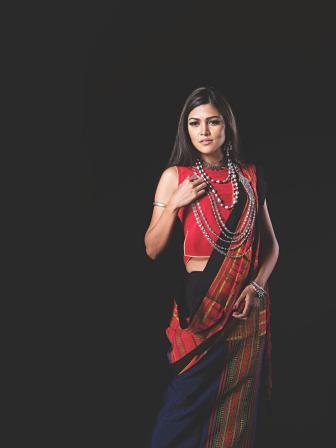
The ethnic communities of Bangladesh make the entire country a much more diverse and colourful place, one blessed with the riches of history. Thus, it is important for today's generation to understand the lives of these communities and promote the numerous cultures present within our borders.
International Day of the World's Indigenous Peoples, gives us yet another opportunity to look into the lives of these people and celebrate their presence.
By Antara Islam
Photo: Sazzad Ibne Sayed
Model: Peya
Make-up: Farzana Shakil's Makeover Salon
Wardrobe: Sozpodor, Indigenous Textile, Tenzing Chakma
Styling: Tenzing Chakma
 For all latest news, follow The Daily Star's Google News channel.
Comments