


Why even non-football fans end up caring about the FIFA World Cup

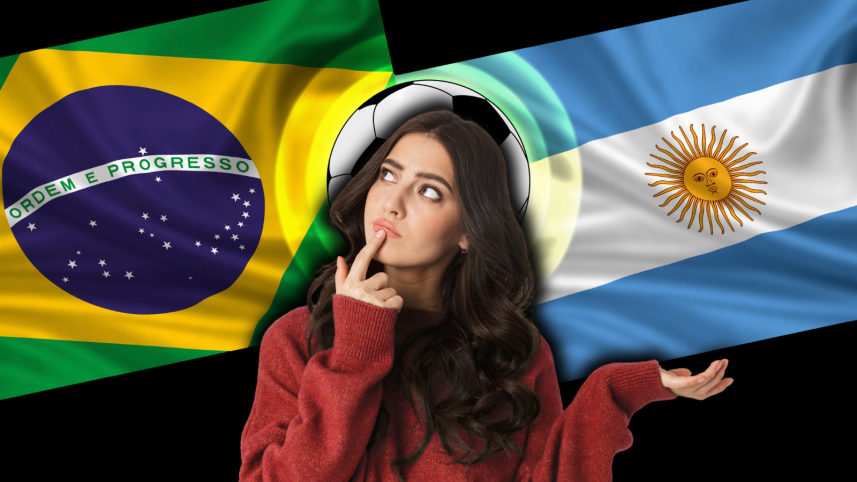
I don’t really follow football. I don’t know most of the rules, and honestly, offside still confuses me sometimes. But every four years, during the FIFA World Cup, football slowly becomes impossible to ignore.
Suddenly, football is everywhere, and I somehow become part of it too.

At first, I don’t really notice it. Friends start talking about matches, social media fills up with highlights, memes, and dramatic reactions, and group chats turn into late-night match discussions. It feels like something meant for “real fans,” people who actually understand the game. So, I stay on the outside, at least in the beginning.
But in Bangladesh, the World Cup is not something you can easily ignore. It doesn’t feel like just a tournament. It feels like a season. Flags appear everywhere, late-night matches become normal and suddenly, rooftops, tea stalls, and even small streets seem to carry the buzz of football.
Then comes the question that feels almost impossible to escape: Brazil or Argentina?
For some reason, that question is never simple. You’re expected to pick a side, even if your reason is something completely random like a childhood memory, a jersey you liked once, a player you found cool, or just whichever team your friends support.
That’s usually how it starts. Very casual, almost accidental.
But slowly, it changes.
You start watching one match because everyone else is watching. Then you learn a few player names. Then you begin reacting, shouting, laughing, and arguing like you actually understand what’s going on. And before you realise it, you are emotionally involved, even if you don’t fully understand the game.
That’s the strange part. You don’t need to understand everything to feel everything.
And somehow, football during the World Cup is less about rules and more about emotion. Families suddenly gather around the TV, staying up later than usual just to watch a match together. Friends turn into passionate supporters overnight, arguing in group chats like they are coaches themselves. Somewhere nearby, neighbours cheer after a goal, loud enough for everyone to know exactly what just happened. For a few weeks, it feels like everyone is reacting to the same thing at the same time.
Even if you are not fully watching, the World Cup somehow finds its way to you.
Social media makes it even louder. Memes, reactions, heartbreaks, and celebrations fill your feed whether you want them to or not. So even people who don’t consider themselves football fans end up being part of it in some way.
And slowly, without planning it, you start caring. You start cheering. You start feeling disappointed when “your team” loses, even if you still don’t fully understand offside.
Maybe that’s the real beauty of it. It doesn’t ask you to be a football fan. It just pulls you in anyway.
 For all latest news, follow The Daily Star's Google News channel.
Comments