


What the new National Budget means for your monthly costs
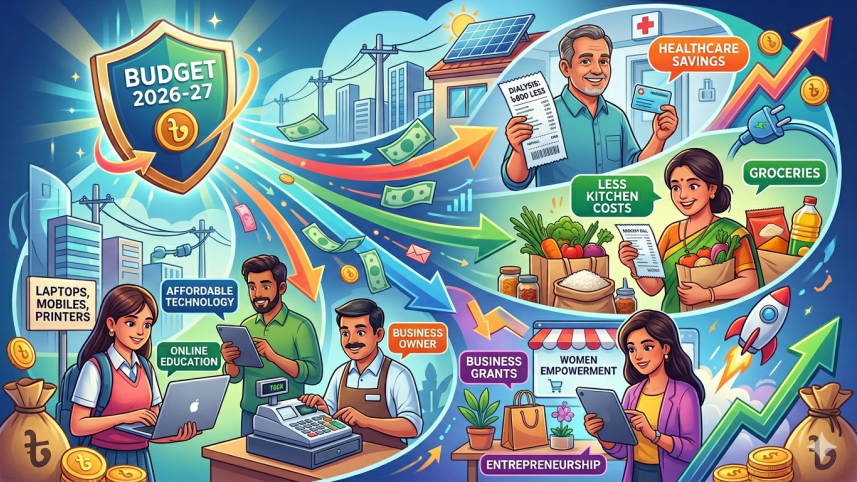
A national budget may seem distant from everyday life, but its effects are often felt in hospital bills, grocery markets, classrooms and household finances. For most people, however, the real question is much simpler: how will the budget affect daily life?
The proposed budget includes several measures that could influence healthcare, education, technology, food costs, and employment opportunities. While economists may focus on revenue and expenditure, ordinary citizens are more likely to notice the changes through their monthly expenses and lifestyle choices.

Healthcare becoming more accessible
One of the most significant benefits comes from the healthcare sector. The government has proposed tax and duty reductions on various medical products, including dialysis equipment, cancer medicines, heart stents, and pharmaceutical raw materials. Among these measures, the reduction in dialysis-related costs stands out. According to budget announcements, dialysis treatment costs should decrease by around Tk 800 per session.
For many patients, dialysis is not a one-time treatment but a regular necessity. A person undergoing several sessions each month could save a considerable amount over the course of a year. These savings may help families cover transportation costs, purchase medicines, or meet other household expenses. In this way, healthcare affordability becomes closely linked to financial wellbeing and quality of life.
Cheaper kitchen groceries
The budget may also provide relief in the kitchen. Several food-related products, including dates, spices, rice bran oil, and selected imported food items, are expected to become more affordable. While the reduction on a single product may appear small, the combined effect on a family's grocery basket can be meaningful.
For many households, food expenses account for a large portion of monthly spending. Lower prices on commonly used products can help ease budget pressures and allow families to allocate money to other needs. Small savings accumulated over time often have a greater impact than people initially realise.
Cheaper technology
Technology itself may become more accessible through reduced taxes on products such as laptops, desktop computers, printers, and locally manufactured mobile phones. In today's world, these devices are no longer luxury items. They are tools for education, communication, employment, and business.
A more affordable laptop can help a student attend online classes, enable a freelancer to secure clients, or allow a small business owner to manage operations more efficiently. The economic impact, therefore, extends beyond the purchase price and influences productivity and opportunity.
Women empowerment
Women entrepreneurs may also benefit from budget measures aimed at encouraging business growth. Supportive tax policies and incentives can make it easier for women to formalise and expand businesses, particularly home-based ventures. Online boutiques, food businesses, handicrafts, and consulting services are just a few examples.
Financial independence often creates wider social benefits. Increased participation of women in economic activities can strengthen household incomes and contribute to long-term community development.
Do not burn your money into smoke
Not every budget measure is designed to make products cheaper. In some cases, higher taxes are intended to influence behaviour. Tobacco and nicotine products are expected to become more expensive under the recent budget.
Economists refer to these as disincentive taxes. The goal is not only to generate revenue but also to reduce consumption. Higher prices may encourage some smokers to cut back or quit, leading to both financial savings and potential health benefits.
Go green!
The budget also signals support for greener lifestyles through incentives related to electric vehicles, solar equipment, and advanced battery technologies. While the immediate effects may not be visible to everyone, these measures could contribute to cleaner transport and more sustainable energy use in the future.
Ultimately, budgets are about more than taxes and government spending. Their real impact is felt in hospitals, classrooms, homes, workplaces, and markets. Whether it is a patient paying less for treatment, a student doing online classes, a freelancer investing in new technology, or a family managing monthly expenses, the national budget has the potential to shape everyday life in meaningful ways. Understanding these opportunities may be the first step towards making the most of them.
 For all latest news, follow The Daily Star's Google News channel.
Comments