


Three women, many ventures, one shared vision
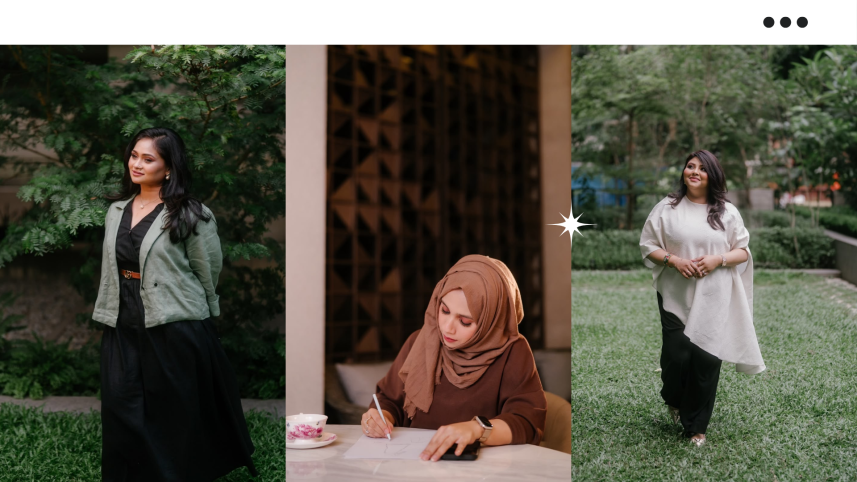
Entrepreneurship does not always begin with a perfectly mapped-out business plan. Sometimes it starts with a habit of organising family events, or it grows out of the need to build a career around motherhood. For Tanazzul Ayman Purny, Shehreen Mahiuddin and Maisha Ali, business has taken very different forms. Their ventures span infrastructure, lighting, fashion, food, logistics, and events. Yet, all three have one thing in common: they have built careers by refusing to limit themselves to a single role.
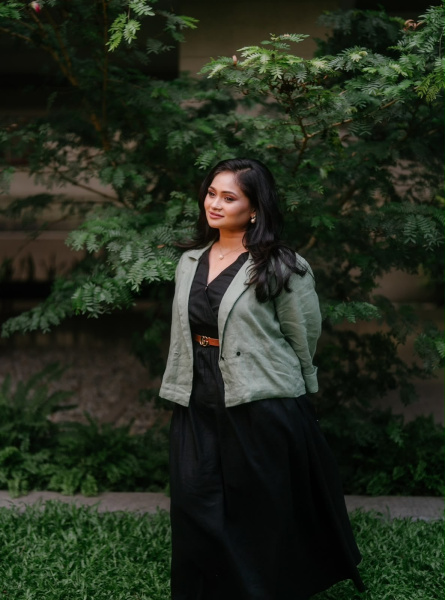

Tanazzul Ayman Purny: Always in motion
Long before Tanazzul Ayman Purny started assembling LED lights or racing on a Formula 1 circuit, she was already the person in her family who got things done.
After completing her studies in London and returning to Bangladesh, she became involved with the construction company founded by her father. But eventually, she wanted to build something of her own. In 2021, she launched an assembly operation specialising in LED lighting and switch-sockets. For Purny, entrepreneurship is closely tied to her inability to remain inactive.
That became particularly clear after she took a break from work when she had her two children, born around one year and four months apart. For nearly two to three years, she stepped away from her usual professional routine.
The experience taught her something about herself.
“I realised that I am truly not someone who can stay at home and do nothing,” she explains.
Once her children became a little older, she returned to work. Her appetite for challenge is not limited to business. Purny’s fascination with cars began, largely through her father, who was passionate about automobiles. She learned to drive while still in school and later drove while studying in Malaysia and London.
In 2025, that lifelong interest took her to Abu Dhabi, where she competed in the UAE Time Attack at Yas Marina Circuit, becoming the first Bangladeshi female driver to compete in the event
“When the opportunity came that I could actually do it, I didn’t think twice,” she says.
The statement captures much of Purny’s personality. Whether it is entering manufacturing, building a brand or driving on a professional racing circuit, she appears most comfortable when she is moving towards something new.
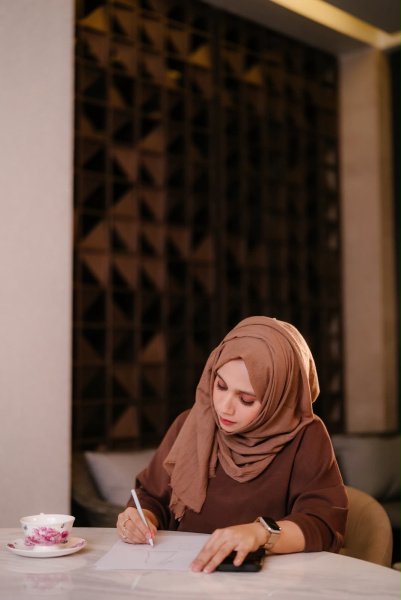
Shehreen Mahiuddin: Turning everyday needs into business
Shehreen Mahiuddin’s entrepreneurial journey began with food.
“In 2019, I launched Banglar Hotpot at Chef’s Table Courtside. The restaurant gained popularity and became my first serious step into business. Then COVID-19 arrived, and like many ventures in hospitality, it had to close,” she shares.
Rather than ending her entrepreneurial journey, the setback pushed her towards another industry.
By 2022, Mahiuddin had launched Cactus Clothing, a casual-wear brand inspired by modern modest fashion.
Shehreen Mahiuddin’s decision to become an entrepreneur was also shaped by motherhood. By 2019, she had four children, which made returning to a conventional job difficult. But entrepreneurship offered a possibility, allowing her to build a professional life with more control over her time. Now, Cactus is entering a new phase. She plans to open a physical retail outlet in November, taking the brand further into the commercial market.
“I want Cactus to be in every household,” she says. “Whenever women think of everyday clothing, the name Cactus should immediately come to mind.”
She also hopes to eventually take the brand internationally.
 For all latest news, follow The Daily Star's Google News channel.
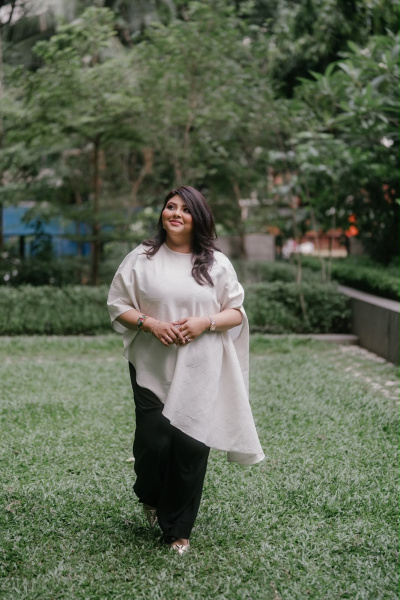
 Maisha Ali: Claiming authority in male-dominated spaces
For Maisha Ali, business was part of the environment she grew up in.
Her father was a businessman, and she and her siblings grew up watching him work. After marriage, she found similar encouragement from her husband’s family. Her father-in-law, in particular, strongly encouraged her to build a career.
“Did we educate you abroad just so you would sit at home?” she recalls him asking. Yet, family support did not protect Maisha Ali from the realities of being a young woman in business.
She first started working under her father after returning from university, when she was around 20. She quickly realised that people often questioned her decisions.
“They would constantly ask if I should double-check with my father,” she elaborates.
Even now, she says, similar assumptions remain.
“Whenever I enter a room, people still look behind me to check if there is a male figure with me, someone they can actually take seriously.” Eventually, Maisha and her husband decided to branch away from their respective family businesses and enter the logistics sector.
Their company operates within Bangladesh’s container depot ecosystem, where containers are opened and sealed under the supervision of customs and other authorities. The idea emerged shortly before the pandemic and has since developed steadily.
But Ali’s larger vision extends beyond logistics.
She has long been interested in creating international exposure for Bangladesh’s creative industries. “We are so absorbed by foreign culture and foreign trends, but there is so much right here in our own country for the world to see,” she says.
For her, the problem is often not a lack of talent but a lack of platforms. That concern is particularly strong when she speaks about women.
“I just want women to be so powerful and untouchable,” she asserts.
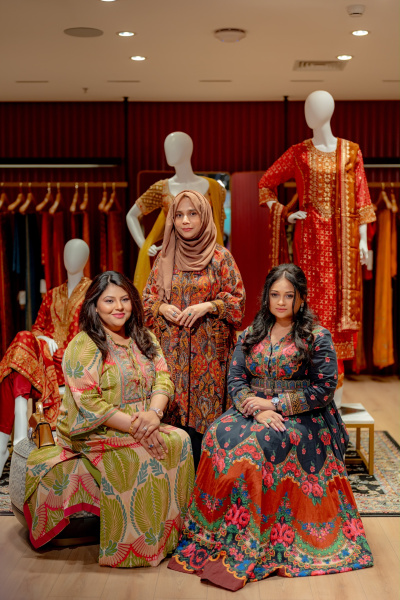
Emira: Where visions meet
Emira began through a casual conversation among three friends about the lack of experience-based platforms in Bangladesh beyond conventional restaurants and exhibitions.
The company’s name comes from the Lotus Emira, one of Purny’s dream cars, but the founders also connected with the name because of its associations with female leadership.
Their vision is broader than conventional event management. They want to curate exhibitions, public and private experiences, international collaborations and eventually opportunities for Bangladeshi designers, artists, creators and emerging brands to reach overseas markets.
The platform’s first major chapter focuses on the wedding industry, bringing together makeup artists, decorators, designers, photographers and fashion and accessories brands. The idea is to create a one-stop space where consumers can access wedding-related resources while industry professionals discuss gaps and possibilities.
For all three women, the idea rests on a simple belief: Bangladesh does not lack talent. It often lacks access, confidence and platforms.
Tanazzul Ayman Purny brings her appetite for experimentation, Shehreen Mahiuddin her understanding of accessible consumer businesses, and Maisha Ali her determination to create space for people who are too often overlooked.
Their ventures may span entirely different industries, but together they point towards the same possibility: entrepreneurship can be personal success, but it can also become a way of opening doors for others.
By Ayman Anika
Photo: Courtesy
Comments