


Nutritional Recommendations for Diabetic Patients for Ramadan
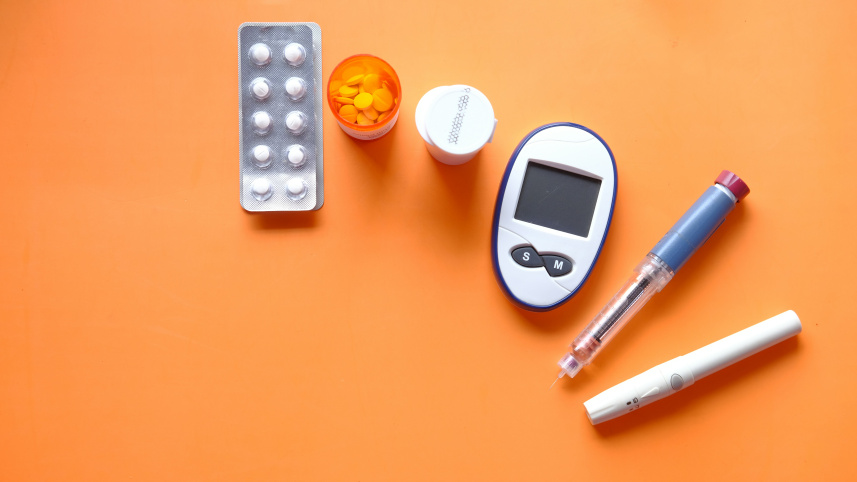
Fasting during Ramadan — abstaining from food and drink from dawn (sehri) to sunset (iftar) — poses metabolic challenges, especially for individuals with diabetes mellitus. The obligation to fast may increase the risk of hypoglycaemia, hyperglycaemia, dehydration, and diabetic ketoacidosis if discipline and dietary guidelines are not maintained. However, with careful planning and evidence-based nutrition strategies, many patients with well-controlled non-insulin-dependent diabetes can fast safely. First of all, we need to understand the metabolic challenges.
Fasting alters glucose homeostasis:

- Prolonged fasting increases the risk of hypoglycaemia.
- Large meals at iftar increase the risk of postprandial hyperglycaemia.
- Reduced fluid intake during fasting hours increases the risk of dehydration.
- Altered medication timing may impact glycaemic control.
Consulting an endocrinologist and a clinical dietitian at least 15 days prior to Ramadan can help structure guidance to mitigate these risks.
Then comes the pre-Ramadan assessment.
Before Ramadan begins, patients should receive:
- Medical evaluation
- Assess glycaemic control HbA1c
- Review comorbidities cardiovascular or kidney disease
- Adjust medications insulin, sulfonylureas, etc.
Meal plans should be personalised based on age, weight, activity level, and glycaemic control. This is highly individualised. Structured counselling has been shown to reduce hypoglycaemic events during Ramadan.
Suhoor pre-dawn meal should ensure slow and sustained energy release. Complex carbohydrates such as whole grains oats, barley, and brown rice provide slow glucose release and improve fasting glycaemia, and should be included rather than simple carbohydrates. Fibre-rich foods such as vegetables, legumes, and lentils should also be included to reduce postprandial glucose spikes. Lean protein such as eggs, yoghurt, low-fat cheese, and poultry helps preserve muscle mass and supports satiety. Healthy fats in moderation, including nuts, seeds, and vegetable oil, can also be added.
For iftar, the traditional food chickpea is rich in fibre and protein and is ideal for non-renal diabetic patients. Plain water with one date as the first intake is mostly preferable rather than sugary drinks. Yoghurt may be helpful for the digestive system after long fasting. Eggs, fruits, and some vegetables can be added with whole wheat, flattened rice flakes, or puffed rice. It is much more preferable to divide iftar into two parts—before and after Maghrib prayers.
Lastly, a light dinner with chapati, vegetables, and meat, fish, or egg could be recommended. Before or after Taraweeh, light exercise is beneficial and will help maintain better blood sugar control alongside an appropriate meal plan.
The writer is Chief Clinical Dietitian and HOD Dietetics and Nutrition dept, Continental Hospital PLC
AGS, ANDSS
 For all latest news, follow The Daily Star's Google News channel.
Comments