


Quick guide to induction vs infrared stoves for everyday cooks
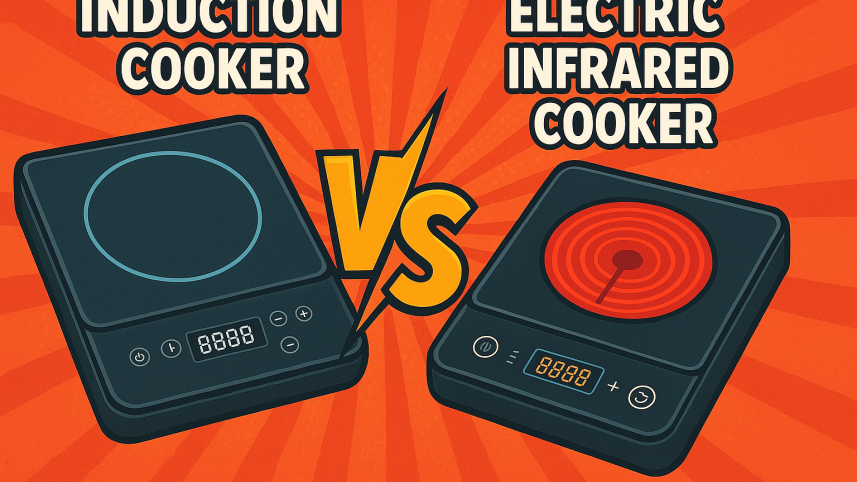
Dhaka kitchens are no strangers to compromise. Space is tight, time is tighter, and now cooking fuel has become another variable that refuses to stay still. With LPG prices fluctuating and cylinders often running out at the worst possible moment, many households have to rethink how they cook. Not with grand kitchen renovations, but with a single appliance placed on a countertop. Induction and infrared stoves are no longer niche alternatives. They are becoming practical responses to an unstable system.
Cooking without the cylinder anxiety
For years, LPG defined modern urban cooking. It was cleaner than kerosene, faster than clay stoves, and easier to manage in apartments. But rising and unpredictable prices have turned LPG into a source of stress rather than convenience. Electric stoves promise something different: predictability. You pay for electricity, you switch on the stove, and cooking happens. No booking delays, no emergency refills.

Induction stoves: When speed and control matter
Induction stoves work in a way that still feels slightly futuristic. The heat is not produced by the stove itself but inside the cookware. An electromagnetic field transfers energy directly to the pot or pan, which is why induction cooking feels fast and sharply responsive. Turn the power up, and the water boils quickly. Turn it down, and the simmer adjusts almost instantly.
This precision is one of induction’s biggest strengths. For people who cook daily and want consistency, it reduces guesswork. The kitchen also feels cooler because heat is not spilling into the surrounding air in the same way gas or infrared stoves do.
But induction demands commitment. Cookware must be compatible. If a magnet does not stick to the base of your pot, it will not work. For many Bangladeshi households with years of accumulated aluminium or traditional cookware, this can mean additional expense. Induction stoves also draw significant power, which can expose weaknesses in older apartment wiring.
Brands like Walton, Vision, Philips and Miyako dominate the induction segment locally, offering models that range from basic single-burner units to more feature-rich versions. Walton and Vision in particular have positioned induction as an affordable mass option rather than a luxury appliance, which explains their growing presence in middle-income homes.
Infrared stoves: Familiar heat in a modern form
Infrared stoves feel more intuitive to people transitioning from gas. They heat a ceramic or glass surface, which then transfers heat to the cookware. Almost any pot works here, from aluminium to steel to ceramic. There is no magnet test, no replacement of cookware, and no compatibility anxiety.
This flexibility is the infrared stove’s biggest advantage. It suits households that cook traditional Bangladeshi food, where different pots are used for frying, simmering, and slow cooking. The heat profile feels closer to gas, making it easier to adjust without re-learning cooking habits.
However, infrared stoves behave like true hot surfaces. The glass top gets genuinely hot, which means more caution is needed, especially in homes with children. They also release more ambient heat than induction, something noticeable in small, poorly ventilated kitchens.
Walton, Vision, Gazi Smiss, Miyako, and Conion are prominent in this category. Infrared stoves are often slightly cheaper at the entry level, which makes them appealing to first-time electric stove users.
How cooking habits shape the better choice
Induction suits those who value speed, precision, and a cleaner cooking environment. It fits modern, fast-paced routines and works well for people who are willing to standardise cookware.
Infrared suits those who want flexibility and familiarity. It respects existing cookware and traditional cooking styles while still moving away from LPG dependency.
Neither option is universally better. Each solves a different problem.
A quiet shift in urban kitchens
What is happening across Bangladesh is not a dramatic rejection of gas, but a gradual diversification. Many households now keep an electric stove alongside LPG, using it for daily meals and reserving gas for heavier cooking. Over time, some never go back.
Induction and infrared stoves represent more than appliances. They reflect a changing relationship with cooking itself, one that prioritises reliability, adaptability, and fewer surprises. In a city where unpredictability is part of daily life, that kind of control matters.
 For all latest news, follow The Daily Star's Google News channel.
Comments