


An evening at Sumaya Khan’s Supper Club
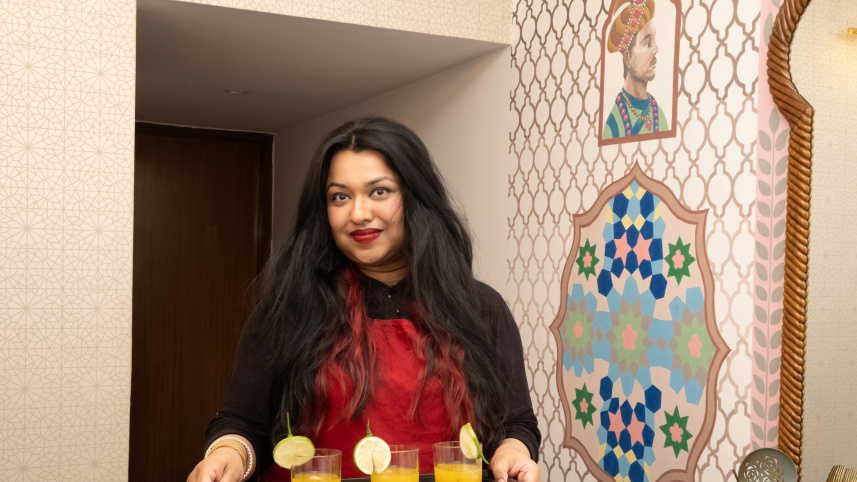
The first thing that arrived at the table was a bowl of daal. Not a dramatic centrepiece or a dish designed for Instagram. Just lentils, slow-cooked and served as the evening's opening note.
Yet somehow, that simple bowl explained everything about The Supper Club, an intimate dining experience created by lawyer, designer, writer, and home cook Sumaya Khan.

By the end of the evening, after bhorta sushi and beetroot rosogolla, it became clear that this was not really a dinner event but a collection of memories disguised as a menu.
Held in an intimate setting in Banani and limited to just eight guests at a time, The Supper Club operates differently from a conventional restaurant. There are no walk-ins. Guests reserve their seats in advance. The menu remains largely undisclosed until shortly before the event. And perhaps most importantly, every edition tells a different story.
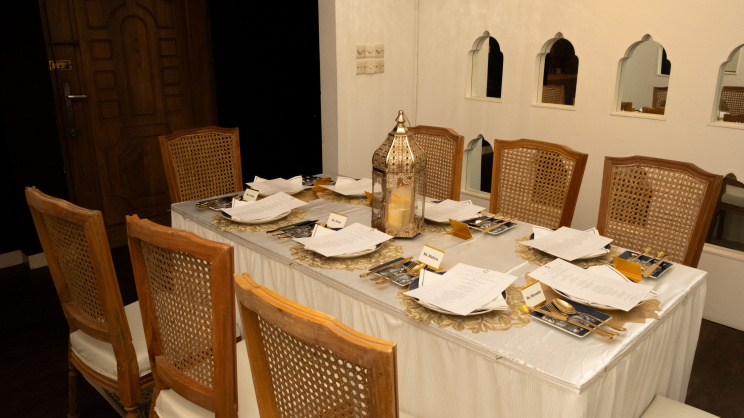
"Each supper club will have a different menu," Khan explains. "Each menu tells a different story."
That storytelling impulse is rooted in something deeply personal. While many contemporary dining concepts borrow heavily from global trends, Khan's starting point is much closer to home.
"My love language is feeding people my home-cooked food," she says. "Initially, I used to cook only for people I love. Then I wanted to turn that into a supper club."
The concept may sound fashionable, but Khan is careful about what she wants it to represent.
"I always wanted to stay true to my roots," she says. "My food is about bringing back the brown homes we grew up in. That's the main motto."
That sense of rootedness is evident throughout the experience. Even the more inventive dishes never feel disconnected from familiarity.
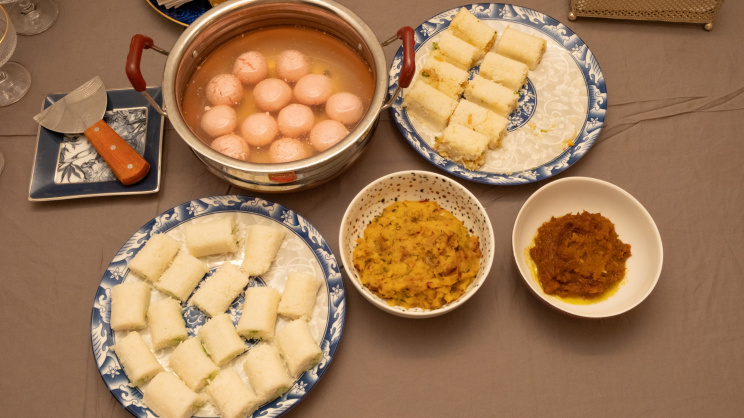
A Bhorta Sushi Platter reimagines one of Bengal's most beloved comfort foods through an unexpected form. A Ruby Rosogolla in Sundarban introduces beetroot into a traditional dessert, creating a natural hue without relying on food colouring.
As Khan explains, achieving that balance took time.
"We experimented with the rosogolla many times," she says. "Beetroot can become bitter, so we had to be careful. We wanted the colour, but we also wanted the flavour to work."
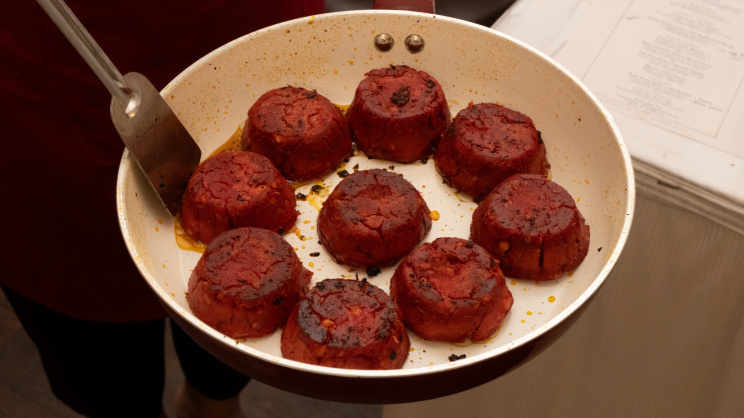
Perhaps the most revealing dish of the evening was the Nargis Kofta served with kacha aam syrup. The syrup itself comes from Khan's mother.
"My mother used to make it," she says. "We're serving her touch as well."
That sentence could almost serve as The Supper Club's mission statement.
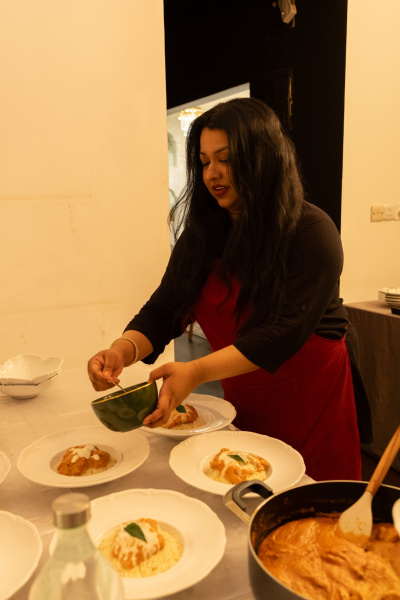
Throughout the evening, Khan repeatedly returns to the people behind the recipes. Some techniques came from family members. Others were learned from friends while studying abroad. Her husband, who once owned a restaurant in London, contributed to parts of the dessert course. The menu becomes less about individual dishes and more about the relationships that shaped them.
 For all latest news, follow The Daily Star's Google News channel.
 Cooking itself entered Khan's life unexpectedly.
"I learned cooking while studying law in London," she recalls. "Before university, I had never even chopped an onion." Her first attempt was memorable for all the wrong reasons.
"I still have a mark on my hand," she laughs. "The onion slipped, the knife cut my finger, and I was bleeding." The experience did not discourage her. Instead, it became the beginning of a culinary education driven largely by homesickness.
Like many students living abroad, Khan found herself missing the flavours she grew up with. Recreating those meals became a way of maintaining connection.
Today, that same instinct drives The Supper Club.
"Nostalgia is very important," she says. "This entire supper club is based on remembering our roots. We are brown, and we should celebrate that."
What makes the project particularly interesting is that Khan is not trying to recreate heritage cuisine exactly as it existed before. Rather, she treats tradition as something living and adaptable. That approach allows her to move among Bangladesh, India, Pakistan, and the wider South Asian diaspora without losing sight of the meal's emotional core.
By the end of the evening, that story feels less like a chef's showcase and more like being invited into someone's home. The dishes are inventive, but they are also deeply familiar. They carry traces of grandparents, parents, childhood cravings, London kitchens, family recipes, and shared tables.
Perhaps that is why the daal soup works so well as the opening course. It quietly announces that this evening is not about luxury or novelty. It is about remembering where food comes from, who taught us to make it, and why certain flavours stay with us long after the meal is over.
Comments