


Why slow fashion is the smarter choice for your closet

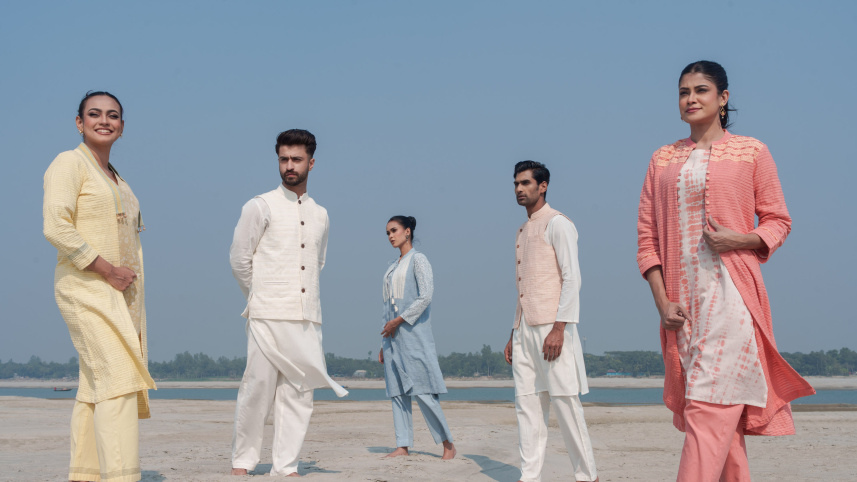
Fashion has always moved fast. New collections arrive before we have even worn the last ones, and trends seem to change faster than the weather forecast. One moment it is oversized blazers, the next it is replaced with Polo. Somewhere along the way, our wardrobes keep filling up with pieces worn once or twice— or worse, never.
This is where the idea of slow fashion enters the conversation. Unlike fast fashion, which focuses on rapid production and quick turnover of trends, slow fashion encourages a more thoughtful approach to clothing. It values quality over quantity, longevity over novelty, and design that can survive more than one fashion season. Closely tied to this is sustainable fashion, which looks at the environmental and ethical side of clothing production, from how fabrics are sourced to how garments are made and consumed.

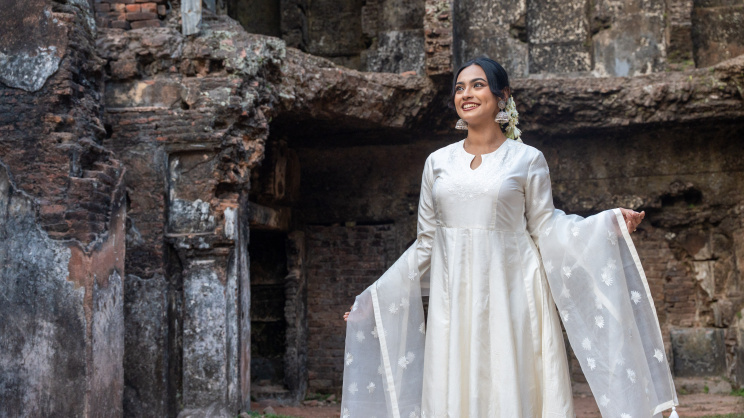
The two concepts often overlap. Slow fashion asks us to buy less but better, while sustainable fashion encourages choices that reduce waste and environmental impact.
For consumers, this does not necessarily mean giving up style or living in a capsule wardrobe of five staple kurtas. It simply means being a little more intentional with what goes into the closet.
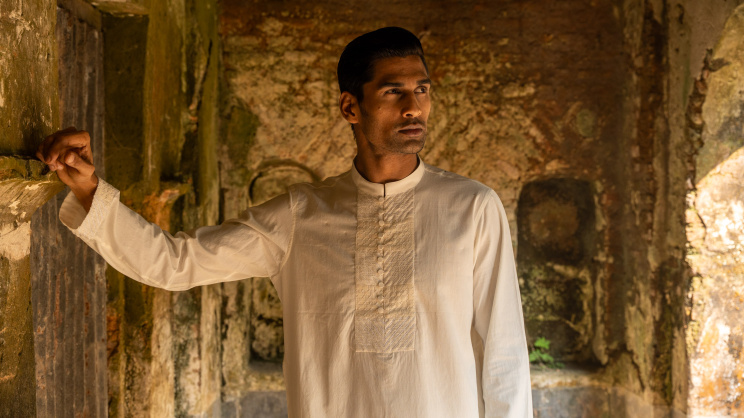
One of the easiest ways to start slow fashion is to prioritise fabrics that last. Natural materials such as cotton, linen, and silk tend to age better than synthetic alternatives. A well-made cotton kurta or linen shirt, for instance, can last several years if cared for properly. Instead of buying five trendy tops that barely survive a few washes, investing in one or two well-constructed pieces can make far more sense.
Versatile dressing is no less than art. And that is why slow fashion pieces are designed to work across different settings. A simple linen co-ord set can move easily from a casual brunch to a semi-formal gathering with just a change of accessories. A neutral-toned saree or a classic black dress can be styled differently for multiple occasions.
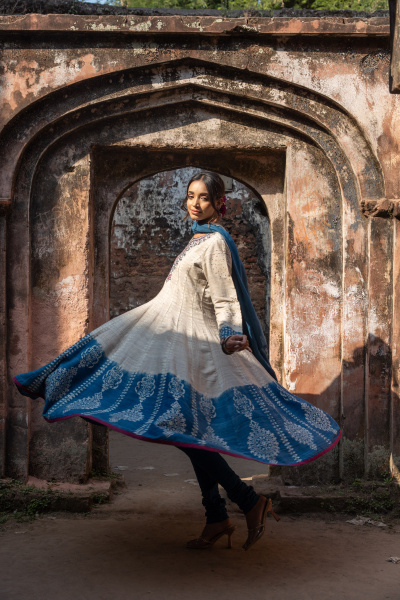
When clothing is adaptable, it naturally stays in rotation longer.
Of course, the idea of “buying less” might sound slightly alarming to those who enjoy a little retail therapy — which, let’s be honest, is most of us. But slow fashion does not mean abandoning shopping altogether.
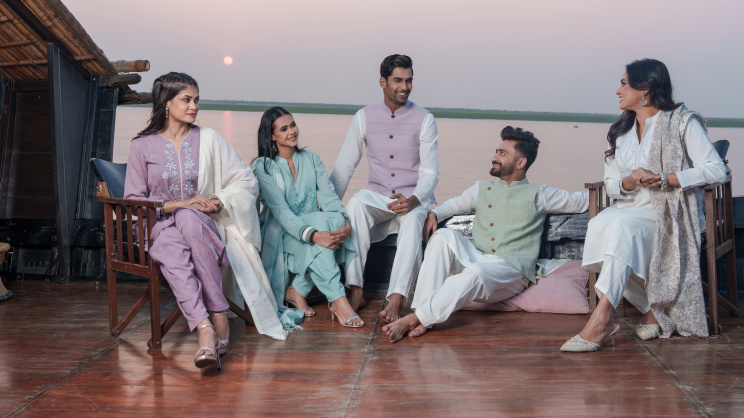
For instance, before purchasing something new, ask a few simple questions: Will I wear this more than once? Can it be styled in other ways? If it ticks the boxes, then go for it.
Another surprisingly effective approach is a quick revisit to your own wardrobe. Many forgotten pieces only need a bit of creativity to feel new again. A long kaftan can be styled as a dress with a belt. An old saree can be reimagined into an anarkali or shalwar kameez set. Even switching up jewellery or footwear can dramatically change the look of an outfit.
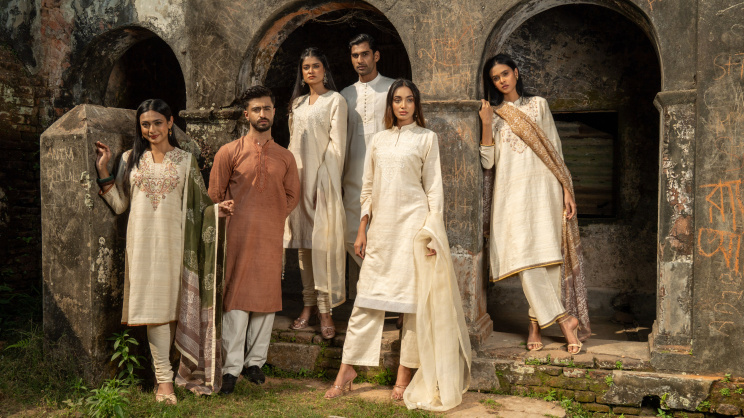
Sustainable fashion also encourages supporting artisans and smaller labels that focus on local craftsmanship rather than mass production. Handwoven textiles, hand embroidery, and small-batch collections carry a detail that fast fashion fails to replicate.
These pieces may cost slightly more upfront, but they usually deliver greater longevity and exclusivity.
There is also a financial advantage to this slower approach. And don’t we all love a save!
While fast fashion may look inexpensive, constantly buying new pieces adds up. Over time, investing in fewer but better-quality clothes can actually be more budget-friendly.
Slow fashion and sustainable fashion, in many ways, is less about restriction and more about awareness. It asks us to pause before buying, appreciate the craftsmanship, and value pieces that stay relevant long after the trend cycle moves on.
 For all latest news, follow The Daily Star's Google News channel.
 At the end of the day, a wardrobe filled with thoughtful choices, and clothes that truly get worn, is not only better for the planet, but also far kinder to our closets, our budgets, and our sense of style.
Photo: Friendship Colours of the Chars
Comments