


Nipah virus: Know the danger signs & how to protect your family

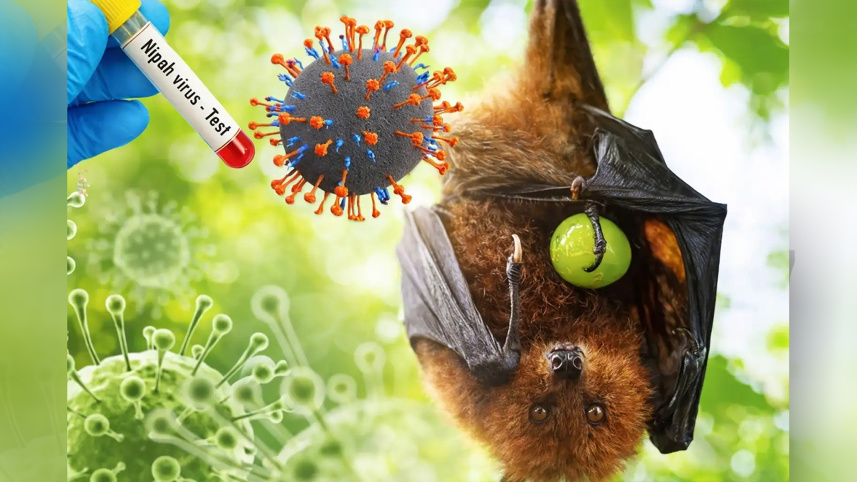
Nipah virus is a rare but potentially deadly disease that has caused repeated outbreaks in parts of South and Southeast Asia, including Bangladesh. While cases are not common, the virus has a high fatality rate, which makes awareness and prevention extremely important.
Nipah virus is a zoonotic virus, meaning it spreads from animals to humans. Fruit bats, often called flying foxes, are the natural carriers. People can become infected through direct contact with infected bats or animals such as pigs.

The virus can also spread through contaminated food — especially raw date palm sap or fruits that have been partially eaten or contaminated by bats. In some outbreaks, the virus has spread from person to person, particularly among family members and healthcare workers who were in close contact with infected patients.
Recognising the danger signs: Symptoms usually appear between 4 and 14 days after exposure, though in some cases they may develop later. The illness often begins with general, flu-like symptoms, which can make early recognition difficult.
Early signs may include fever, headache, muscle pain, sore throat, cough, vomiting, difficulty breathing, etc. As the infection progresses, it can affect the brain and nervous system.
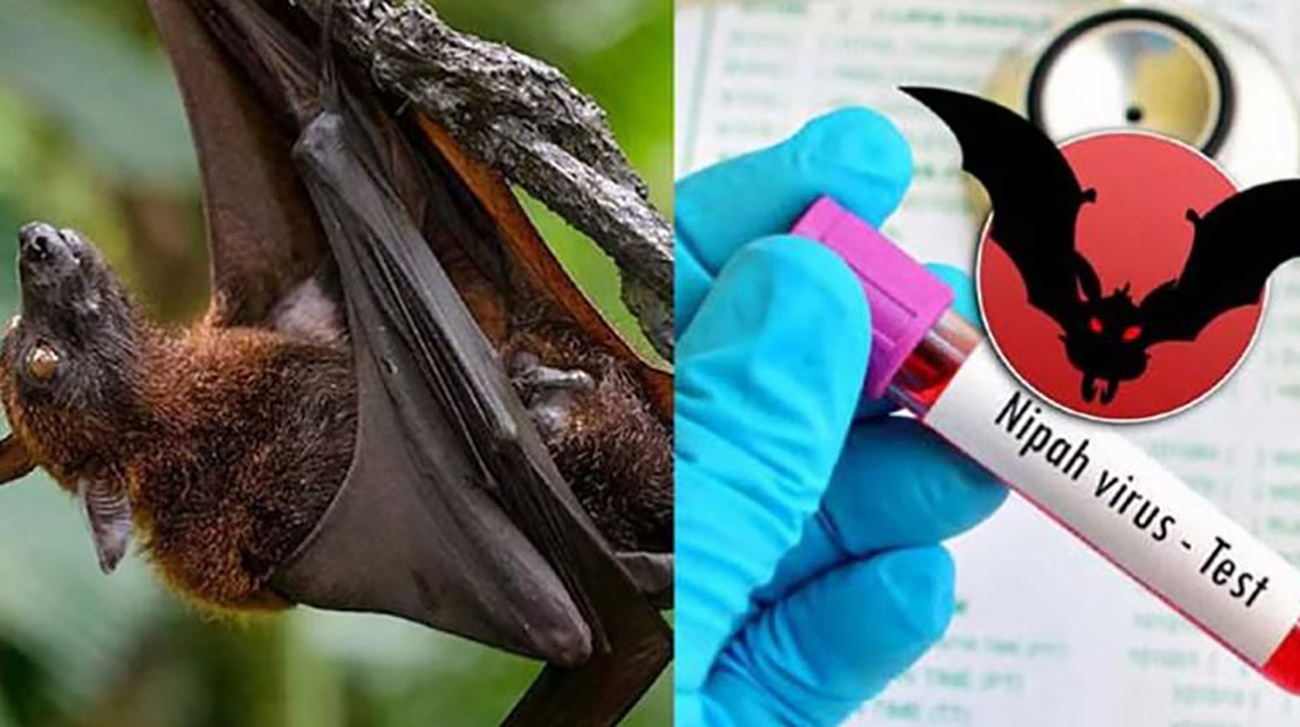
More serious symptoms include drowsiness or dizziness, confusion or altered consciousness, seizures, signs of brain inflammation (encephalitis).
In severe cases, patients can rapidly fall into a coma within 24 to 48 hours. The fatality rate during past outbreaks has ranged from 40% to 75%, depending on how quickly patients received supportive care and how effectively outbreaks were controlled.
Anyone who develops a fever along with breathing difficulties or neurological symptoms — especially after exposure to bats, sick animals, raw date palm sap, or an infected person — should seek medical attention immediately. Early supportive treatment, including hydration and respiratory care, can improve survival chances.
How to prevent nipah virus infection: There is currently no specific antiviral treatment or licensed vaccine for Nipah virus. Prevention is therefore the most effective defence.
• Avoid consuming raw date palm sap. In areas where outbreaks have occurred, raw sap has been a major source of infection. Boiling sap before drinking reduces risk.
• Wash and peel fruits thoroughly. Avoid fruits that show signs of bat bites or contamination.
• Limit contact with bats and sick animals. Do not handle animals that appear ill, and avoid areas where bats are known to roost.
• Practise regular hand hygiene. Wash hands with soap and water, particularly after caring for sick individuals or handling animals.
• Take precautions during outbreaks. Avoid close, unprotected contact with anyone showing symptoms. Carers and healthcare workers should use masks, gloves and protective equipment when dealing with suspected cases.
Why vigilance matters: Nipah virus outbreaks tend to be localised, but their severity demands attention. Quick identification of symptoms, early medical care and community awareness can significantly reduce transmission.
Simple preventive steps — such as avoiding contaminated food, maintaining hygiene and reporting suspected cases promptly — can protect families and communities. Although rare, Nipah virus remains a serious public health concern, and staying informed is one of the strongest tools in preventing its spread.
E-mail: safrina.rahman@thedailystar.net
 For all latest news, follow The Daily Star's Google News channel.
Comments