


How mid-budget films reclaimed Indian cinemas in 2025

In 2025, Indian cinema witnessed a quiet but significant shift. While several big-budget spectacles struggled to meet expectations, films made on comparatively modest budgets emerged as the year's most reliable performers, marking a renewed faith in storytelling over scale.
The revival of mid-budget cinema did not arrive with fanfare, but its impact was felt steadily across theatres.

For much of the post-pandemic period, theatrical exhibition had settled into a stark binary. Either films arrived with massive budgets and grand opening-weekend ambitions, or they bypassed cinemas entirely and headed straight to streaming platforms with minimal promotion. The mid-budget theatrical film, once the backbone of Hindi cinema, appeared to be disappearing. In 2025, that assumption was challenged.
Several films produced on budgets ranging roughly between Rs 80 and Rs 100 crore managed to draw audiences consistently, despite limited marketing and the absence of traditional "event film" packaging. In contrast, a number of heavily mounted projects with familiar formulas failed to sustain momentum beyond their opening weekends. The result was a year that exposed the limits of spectacle-driven cinema and reaffirmed the audience's appetite for emotional engagement.
Industry observers have pointed to audience fatigue with hollow visual excess as one of the key reasons behind this shift. Viewers increasingly sought films that offered relatable emotions, strong characters and immersive narratives. Whether rooted in romance, mythology or social drama, the films that worked were those that created a genuine connection rather than relying solely on scale.
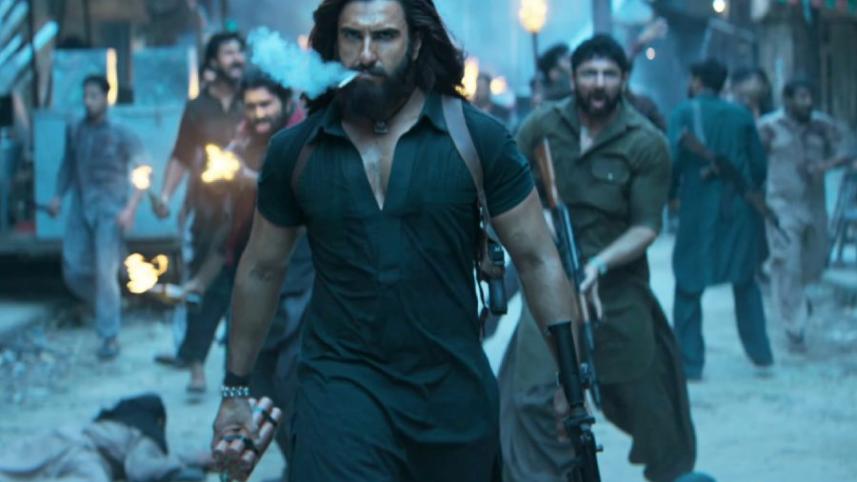
This trend was not confined to Hindi cinema. Across industries, films that struck an emotional chord found space in theatres. Titles such as "Saiyaara", "Mahavatar Narsimha" and "Lokah" demonstrated that budget size was no longer the primary determinant of theatrical success. Meanwhile, the strong performance of films like "Kantara" and "Dhurandhar" reinforced the growing influence of content-driven regional cinema on the national box office conversation.
Another notable development in 2025 was the changing role of streaming platforms. During the pandemic years, OTT services acted as a safety net, often securing films before release and reducing financial risk. That cushion has largely disappeared. Platforms have become more selective, leaving filmmakers increasingly dependent on theatrical performance. As a result, cinemas have once again become both the riskiest and most crucial window for recovery.
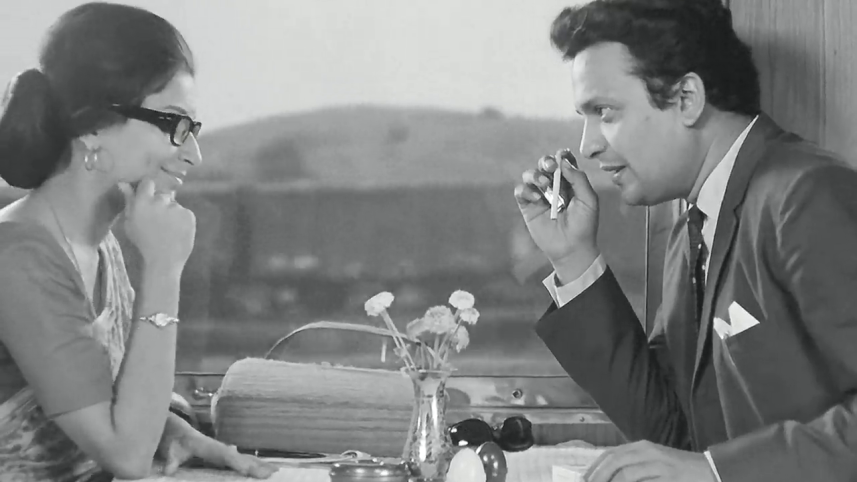
Re-releases also played a cultural role during the year. Screenings of classics such as "Ye Jawaani Hai Deewani", "Om Shanti Om", "Devdas", "Umrao Jaan", "Dil Se" and Satyajit Ray's "Nayak" did more than fill programming gaps. They introduced younger audiences to legacy films on the big screen and reignited conversations around cinematic memory and heritage. Though not all re-releases were major earners, their cultural footprint was undeniable.
Regional cinema further strengthened its foothold beyond traditional markets. Gujarati films, once seen as strictly local, began drawing audiences outside the state, while industries from Assam to Chhattisgarh showed signs of growth through more organised, audience-focused strategies.
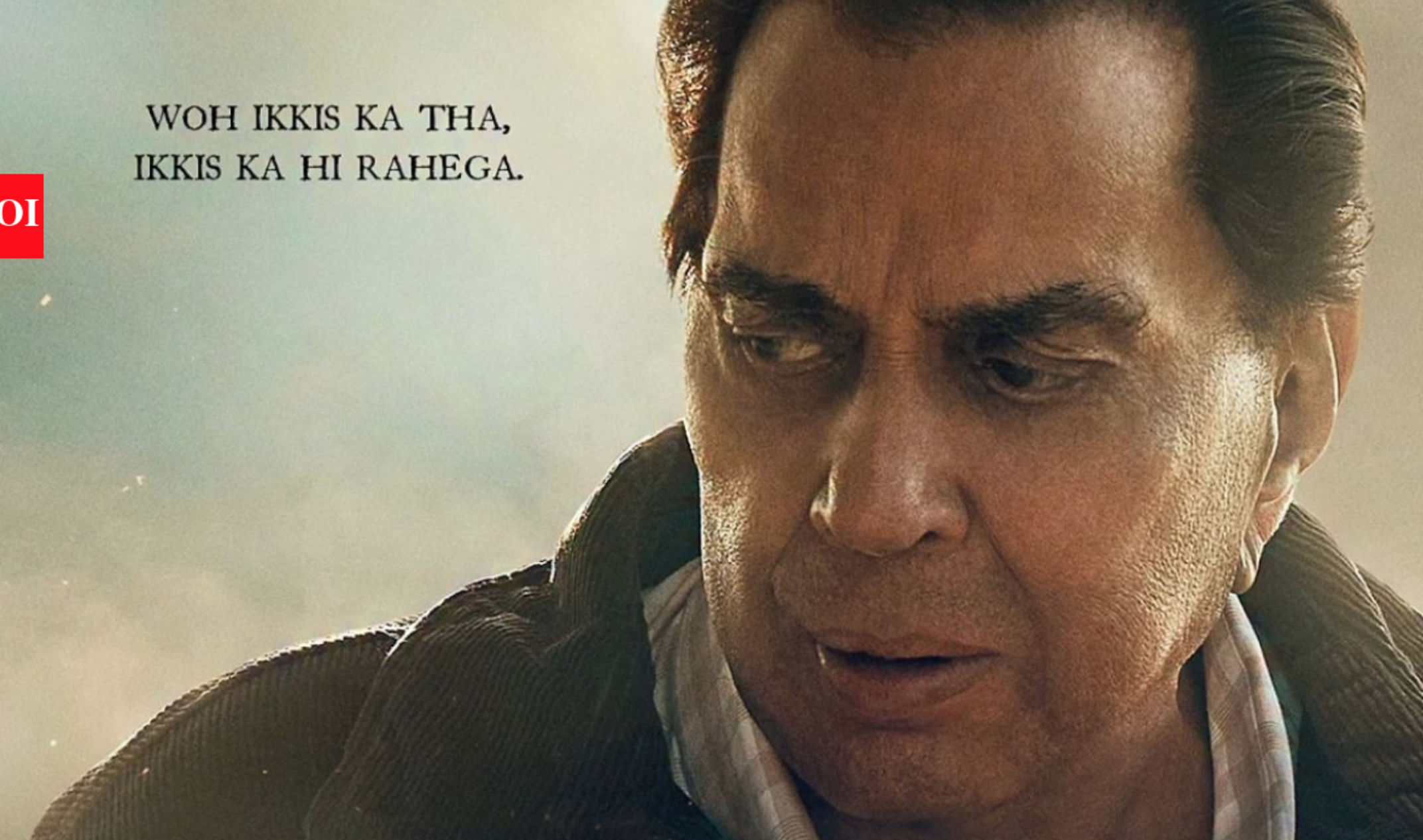
As the industry looks ahead to 2026, the lessons of 2025 are clear. Sustainability lies not in chasing spectacle alone, but in maintaining a healthy balance — regular releases, planned re-releases and a steady flow of mid-budget films that keep theatres alive between major events. Above all, 2025 reaffirmed a simple truth: audiences will return to cinemas when films offer emotional honesty and meaningful stories, regardless of budget size.
 For all latest news, follow The Daily Star's Google News channel.
Comments