


Samiran Chowdhury, founder of Narayanganj Institute of Fine Arts, no more
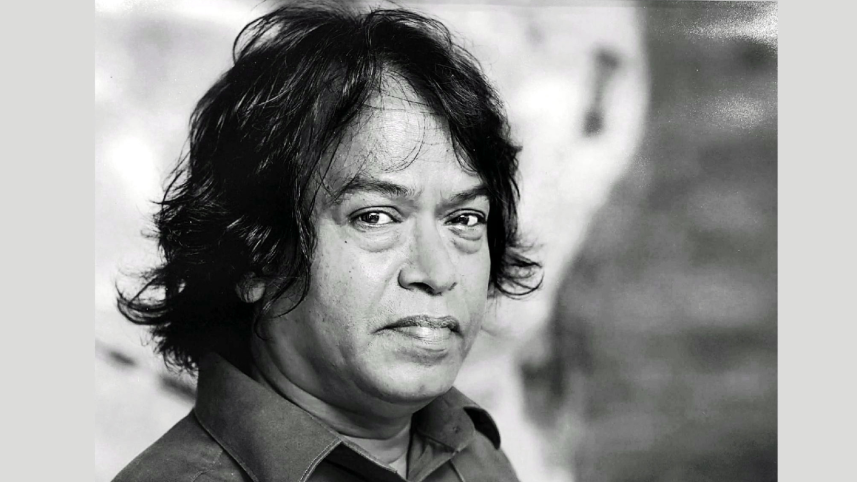
Renowned artiste and founder of the Narayanganj Institute of Fine Arts, Samiran Chowdhury, has died. He breathed his last on Saturday afternoon (January 3) at a hospital in Dhaka, casting a pall of grief over the country's art and cultural community.
Narayanganj-based cultural activist Rafiur Rabbi said Chowdhury's body was taken to the Narayanganj Institute of Fine Arts, an institution he built from the ground up. His last rites were scheduled to be held later at the Masdair crematorium in Narayanganj.

Born on November 20, 1962, in Ulukandi village of Gopaldi union under Araihazar upazila in Narayanganj, Samiran Chowdhury was the son of Anil Gopal Saha. He passed his SSC examination in 1979 from Narayanganj Bar Academy before enrolling at Dhaka's then Institute of Fine Arts in 1980.
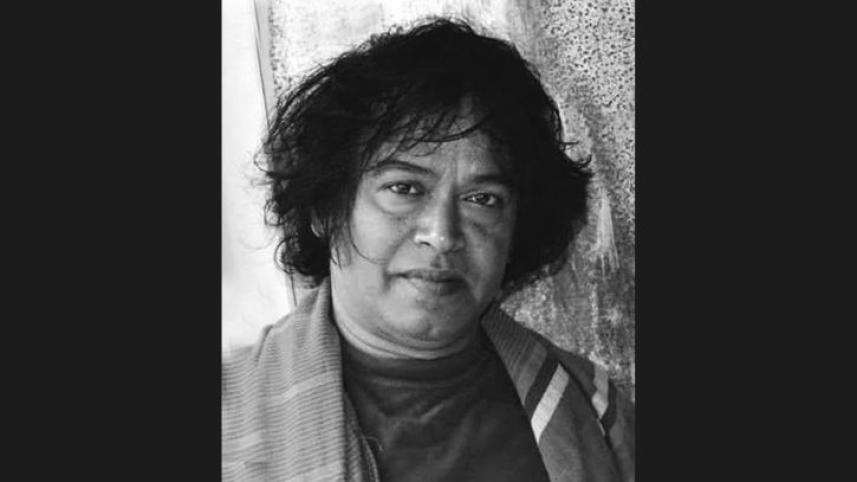
Following the institute's incorporation into the University of Dhaka, Chowdhury earned his BFA in 1985 and later completed his Master's degree in Drawing and Painting in 1987. During his student years, he received a prestigious award for his exceptional skill in watercolour, a medium that would remain central to his artistic identity.
Over the decades, Chowdhury's works found homes in museums and private collections across the world, including in the United States, the United Kingdom, Japan, Germany, Italy, the Netherlands, Canada, Australia, Russia, France, India, Pakistan, Saudi Arabia, Sweden, Indonesia, Malaysia, Finland, Norway, Denmark, Portugal, Greece, South Korea, Taiwan, Morocco, Nigeria, Ghana and Bulgaria.
Beyond his personal practice, Chowdhury's most enduring contribution came in 1994, when, through sustained personal effort, he established the Narayanganj Institute of Fine Arts. The institution went on to play a pivotal role in decentralising art education and nurturing cultural practice outside Dhaka, shaping generations of young artists in the region.
With his passing, Bangladesh loses not only a gifted painter but also a tireless cultural organiser whose vision helped expand the country's artistic ecosystem far beyond the capital.
 For all latest news, follow The Daily Star's Google News channel.
Comments