


'People still call me Nilu Bhabi': Dolly Zahur reminisces about a beloved role
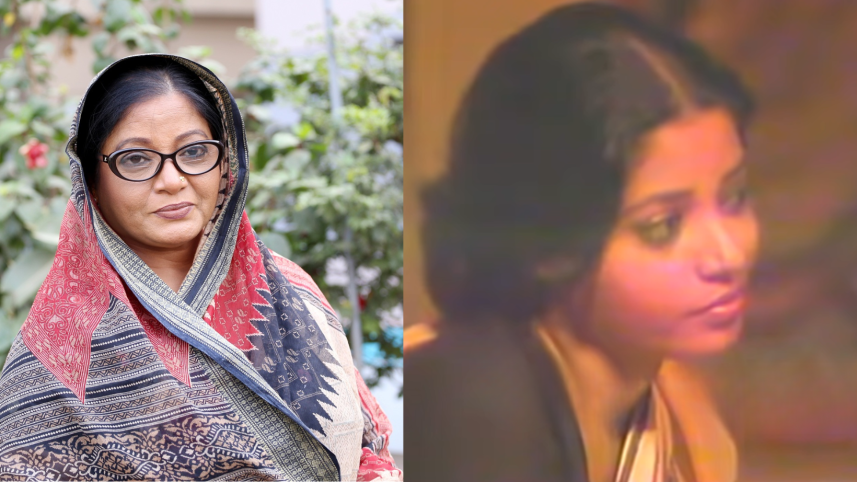
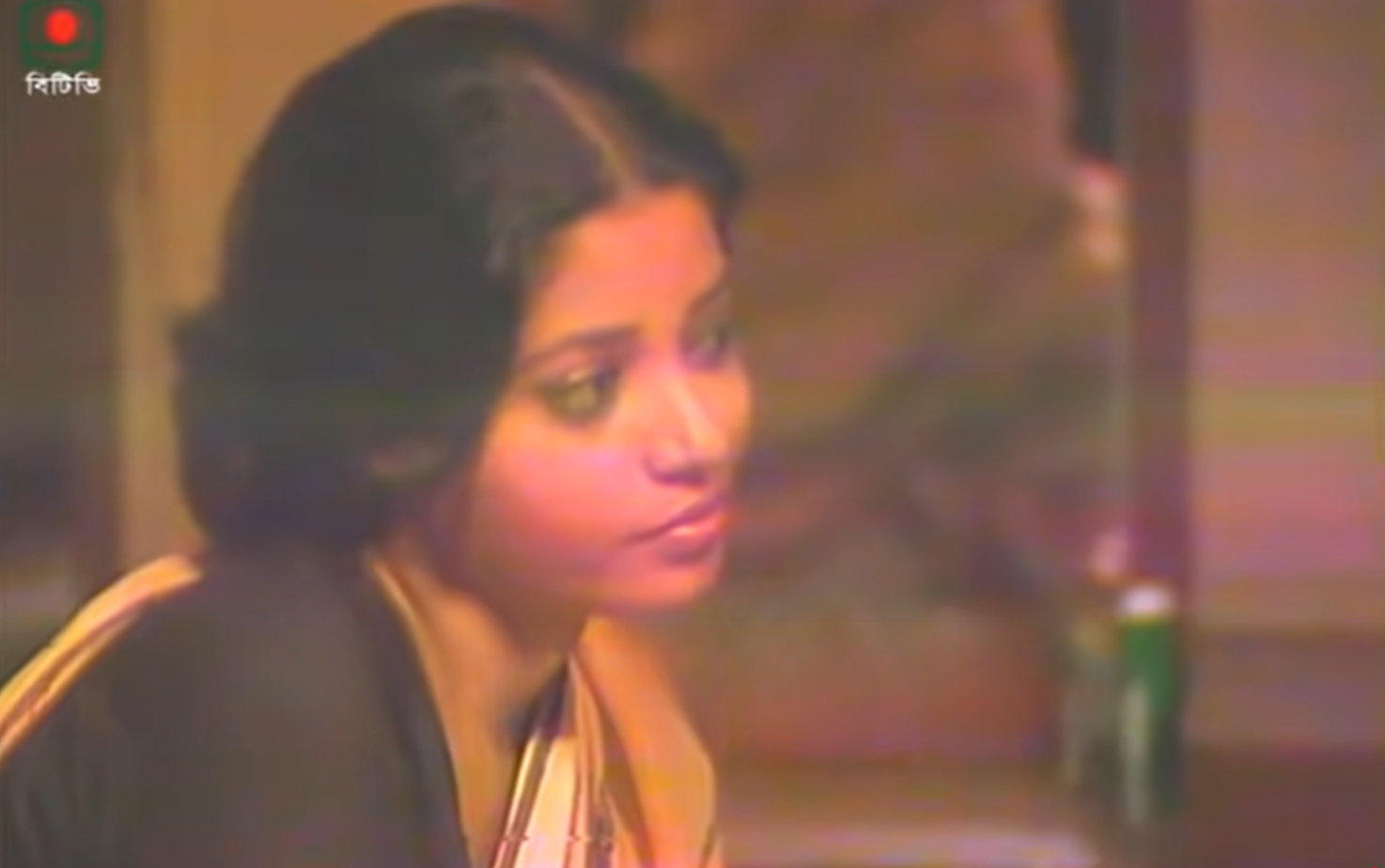
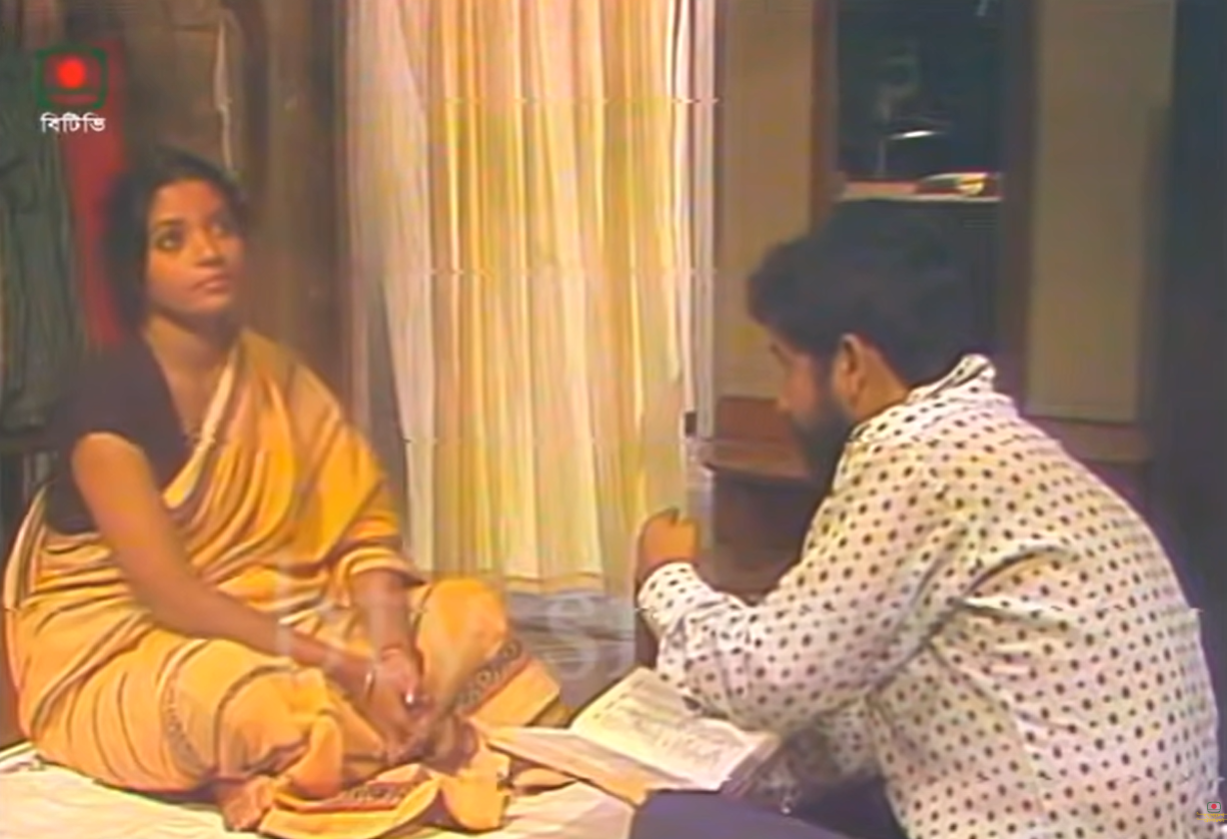
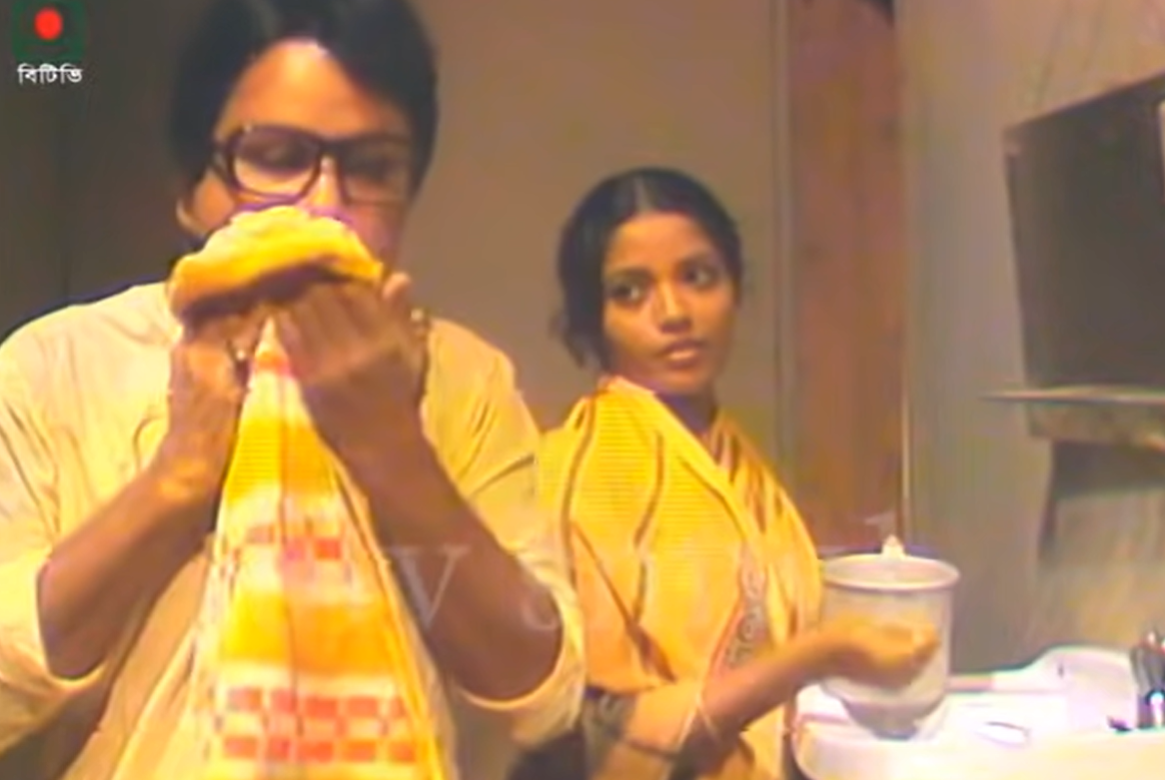
Few characters in Bangladeshi television have enjoyed the kind of enduring affection that Nilu Bhabi from Humayun Ahmed's "Ei Shob Din Ratri" continues to receive decades after the drama first aired. And for veteran actress Dolly Zahur, who brought the beloved character to life, the memories remain as vivid as ever.
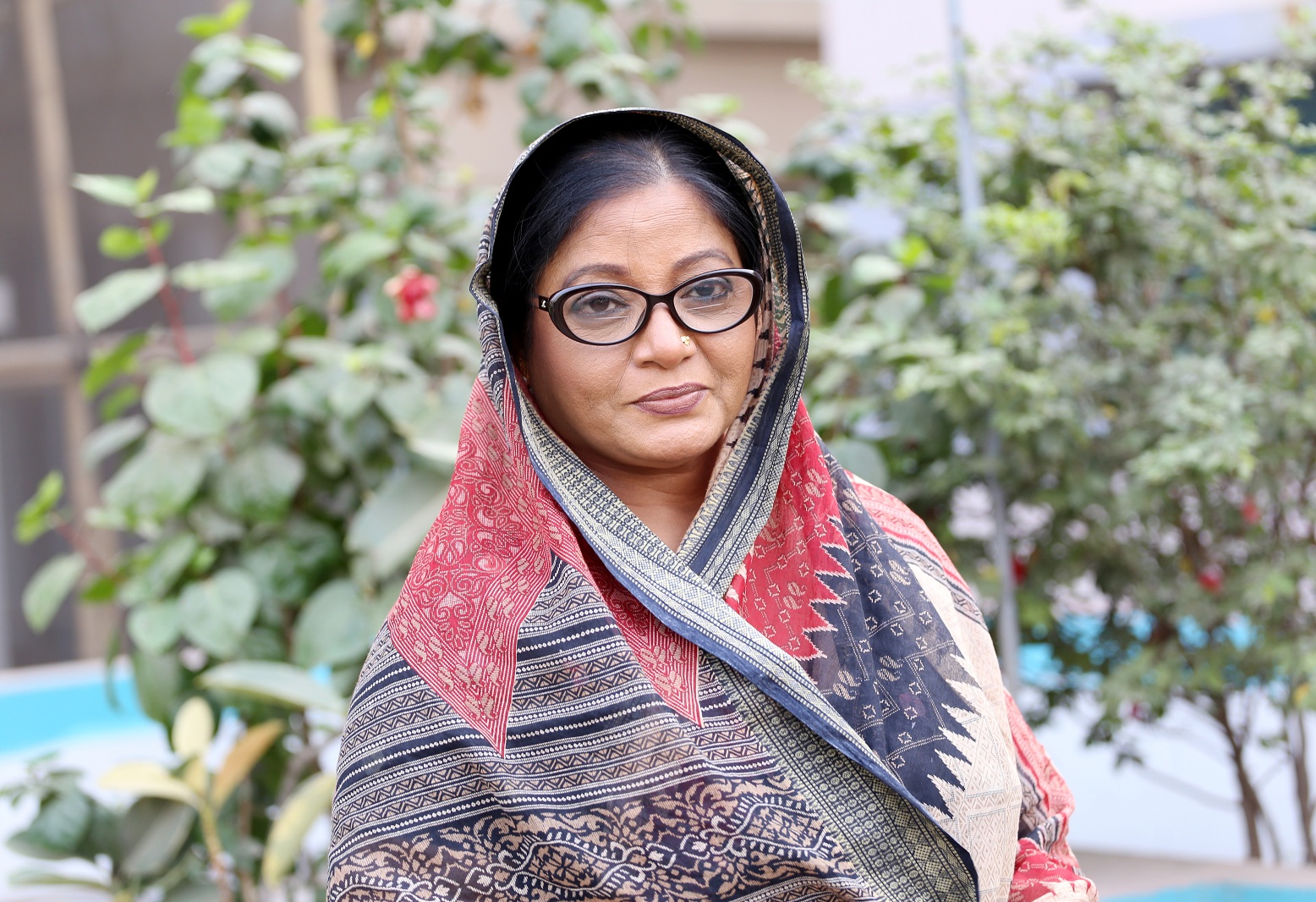
With a career spanning more than a hundred films and countless television dramas, Dolly Zahur has portrayed many memorable characters. Her performance as Rabeya in "Shongkhonil Karagar" remains etched in audiences' minds, while her contributions to the arts have earned her some of the country's highest honours. Yet when viewers meet her, many still remember her as Nilu Bhabi.

Speaking to The Daily Star, the veteran actress reflected on the extraordinary impact of "Ei Shob Din Ratri" and the love that followed her long after the cameras stopped rolling.
"'Ei Shob Din Ratri' became popular very quickly after it started airing," she recalled. "Back then, there was only one television channel. People from all walks of life watched it, connected with the story and became attached to the characters. My character's name was Nilu, but everyone called her Nilu Bhabi. Eventually, people started calling me Nilu Bhabi too."
The affection audiences showed her was immediate and overwhelming.
"Wherever I went, people recognised me and treated me with so much respect," she said. "They would point and say, 'There goes Nilu Bhabi.' For an artiste, there can be few rewards greater than that. The love and respect I received because of that character is something I still cherish."
In an era before social media and instant messaging, viewers expressed their admiration through handwritten letters. Dolly Zahur remembers receiving them in staggering numbers.
"Hundreds of letters came to me," she said. "Some arrived at my home in Dhanmondi, while others were sent to Bangladesh Television in Rampura. There were even envelopes addressed simply to 'Dolly Zahur, Actress, Bangladesh'. The postal workers knew where I lived and made sure they reached me."
Far from setting them aside, she read every one.
"I would sit and read them carefully. Most people wrote that they wanted a daughter-in-law like Nilu Bhabi. Others wished for a sister-in-law like her, or said they hoped someone like Nilu would become part of their family. Those letters made me realise how deeply people had embraced the character."
Among the many letters she received, one remains impossible to forget.
"An elderly man wrote to me near the end of his life," she recalled. "He said, 'If only I had a daughter-in-law like Nilu.' I became very emotional reading that letter. In fact, all of the letters were filled with warmth and affection. I kept them for many years. Unfortunately, I no longer have them."
For Dolly Zahur, those letters represented something more valuable than awards or accolades.
"People loved me, remembered me, blessed me and took the time to write to me because of a character I played. That is a tremendous gift. Even today, people remember Nilu, and that means a lot to me."
The influence of the character occasionally led to amusing encounters as well. Laughing as she recalled one such incident, Dolly Zahur said two young men once turned up at her home with an unusual request.
"They wanted to know if I had a younger sister," she said. "Their idea was that if I did, they would arrange her marriage to their elder brother. They thought she would be like Nilu. I had to explain that even if I had a sister, there was no guarantee she would resemble a character from a drama."
Now, decades after "Ei Shob Din Ratri" first captivated viewers, Dolly Zahur continues to work, albeit at a slower pace.
"I'm well," she said. "At this age, I'm doing as well as one can expect. I have to take medication and visit doctors, but I'm grateful to the Almighty."
As for acting, she has no plans to leave it behind completely. "I still work occasionally," she said. "Not as much as before, but I continue to act from time to time."
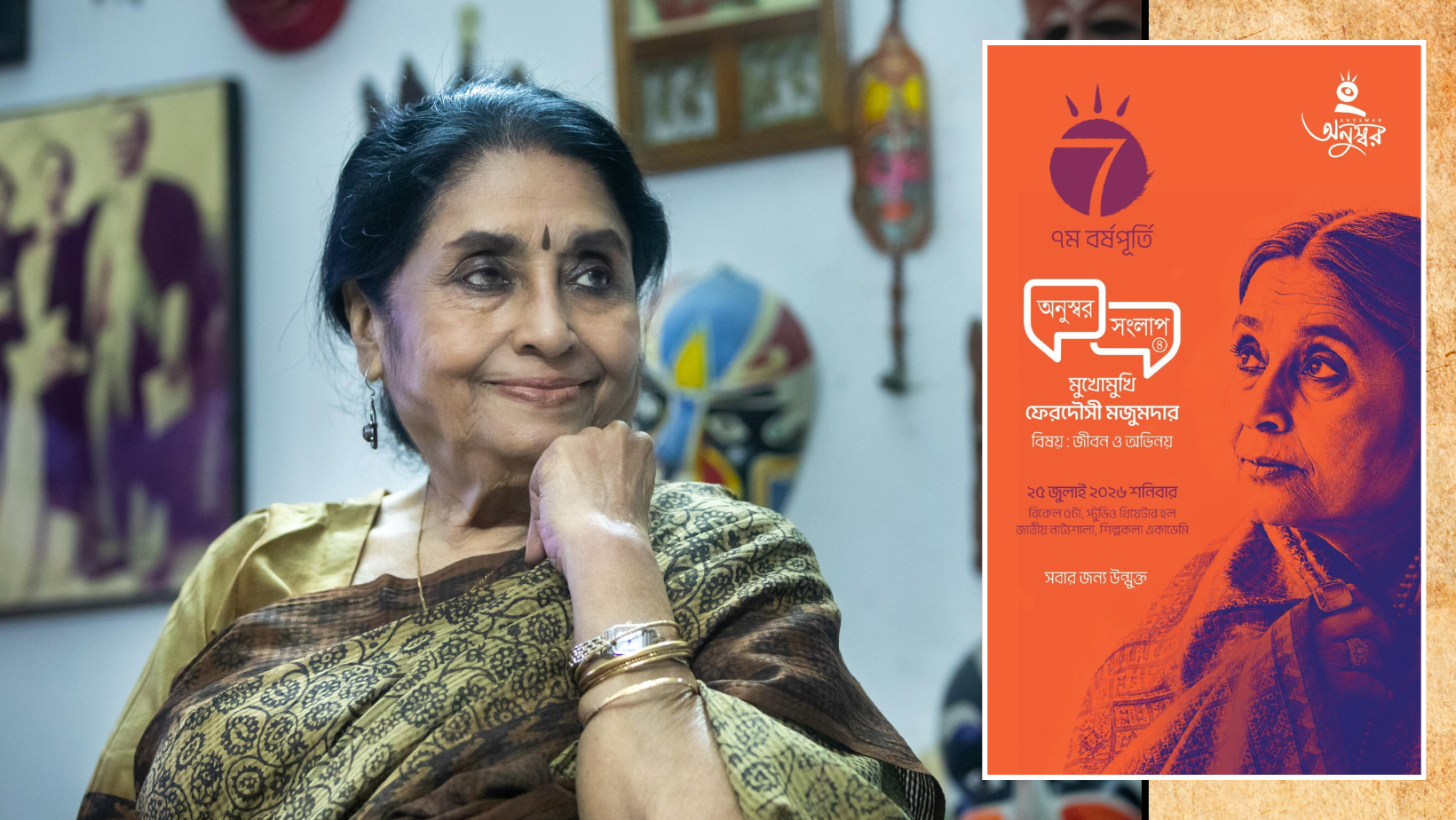
These days, many younger artistes affectionately call her "Maa"—a term that clearly means a great deal to her. "Yes, many of them do," she said. "It makes me emotional every time. Their love means so much to me, and I love them like my own children."
 For all latest news, follow The Daily Star's Google News channel.
Comments