


I realised sacrifice can also mean giving up bad habits: Aisha Khan


For Aisha Khan, Eid-ul-Azha is not defined by crowds, elaborate outings, or loud celebrations. Instead, the actress associates the occasion with quieter emotions — family, fear, reflection, and the deeply personal meaning of sacrifice.
Although this Eid was expected to be an exciting one professionally for Aisha Khan, one of her feature films, “Shekor”, directed by Proshoon Rahmaan, was initially announced for an Eid release but ultimately dropped out of the festive race.

“It’s a very family-oriented story connected to migration and emotions,” she said. “Perhaps exhibitors felt audiences would gravitate more towards festive entertainers during Eid. However, we can still opt for a non-Eid release.”

Yet for audiences, Aisha remains visible across multiple mediums this season. Recently, a music video under the banner of Gaanchill Music was released, featuring lyrics, composition, and vocals by Khan Shuvho, with Aisha appearing alongside Partho Sheikh. She is also set to appear in “Abar Hobe Dekha”, directed by Chayanika Chowdhury. The project also features Afzal Hossain, Deepa Khandakar and Prantor Dastider among others. Meanwhile, “Premer Tori”, directed by Emel Haque and co-starring Yash Rohan, is scheduled to air on NTV during Eid. She will also appear in a fiction, directed by Mohammad Mahin.
The actress shared that she will be spending Eid in Dhaka with her family and prefers staying indoors during the festivities. “I never go outside during the first three days of Eid-ul-Azha,” she admitted. “I’m quite scared of the entire process, and even the lingering smell afterwards makes me uneasy.”
She recalled one of her most vivid childhood Eid memories — an incident she still describes as both frightening and unforgettable.

“My cousin and I decided we would finally be brave enough to watch the sacrifice,” she said with a laugh. “We were standing on the balcony when suddenly a huge cow broke loose and ran towards us. I was wearing a red dress that day. Thankfully, the adults managed to control it in time, but it completely terrified me.”
Though she laughs about the memory now, Aisha admitted the emotional discomfort around Eid-ul-Azha has never fully faded.
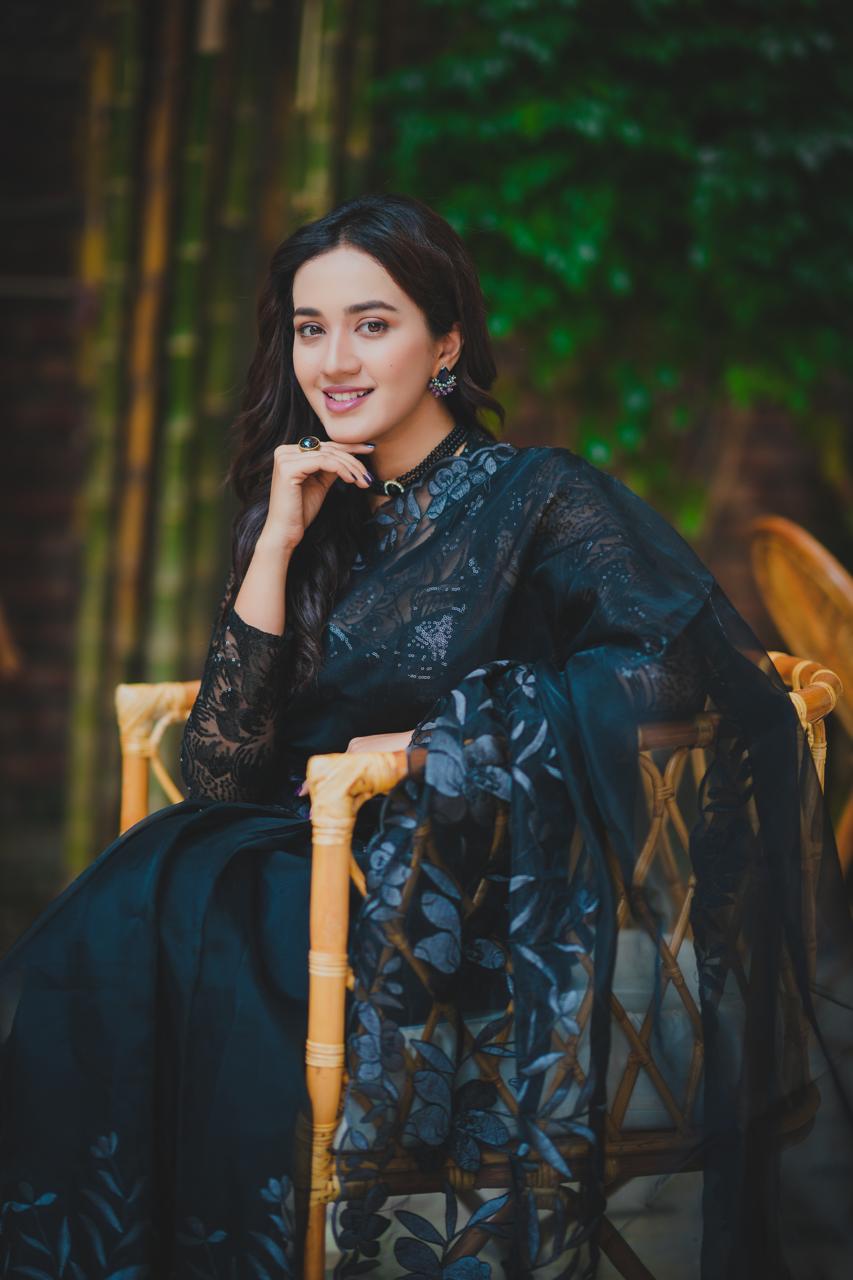
“The hardest part for me is hearing the animals cry the night before,” she explained. “As a child, I used to hide under pillows. Now I use noise-cancelling headphones and stay inside until everything is cleaned.”
Yet despite her fears, Aisha believes Eid-ul-Azha has deeply shaped her understanding of sacrifice and detachment.

“I used to spend money quite carelessly,” she admitted candidly. “I had this mindset that if I earn money, I should spend freely. But over time, I realised sacrifice can also mean giving up bad habits.”
She added, “Now I try to spend more carefully. If I love something too much — maybe a dress or something with emotional value — I try not to hold onto it forever. I prefer giving things away.”
For Aisha, sacrifice today exists less in grand gestures and more in everyday choices.
“Sometimes I feel Allah prepares us for bigger sacrifices through smaller experiences,” she reflected.
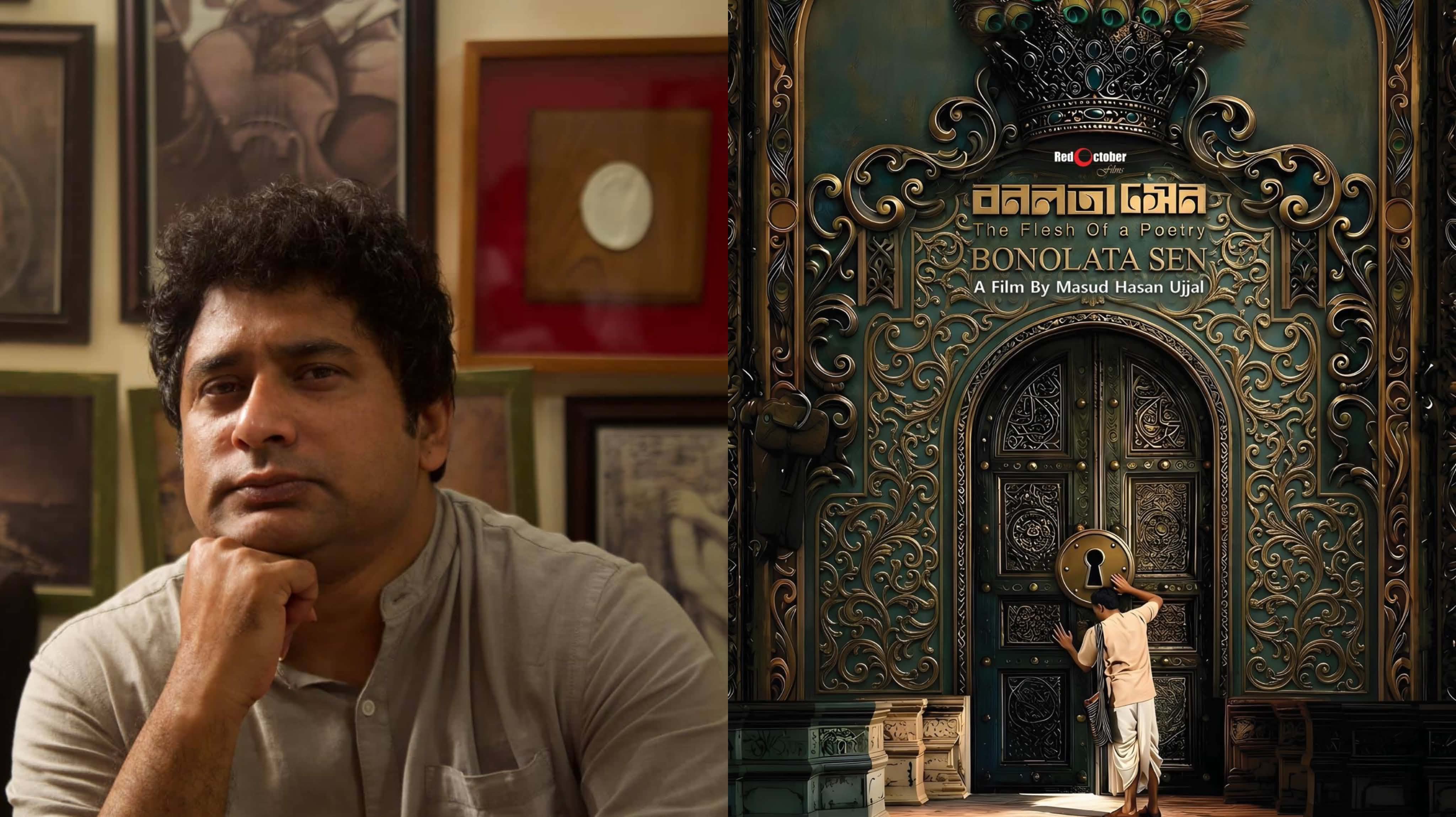
When asked about this year’s Eid films, Aisha said she is especially looking forward to Mejbaur Rahman Sumon’s “Roid” and “Bonolota Sen”. She shared that she worked with Sumon in a commercial in the early phase of her career, while she also revealed that had once auditioned for “Bonolota Sen" during its early casting phase.
“I’m very curious about “Bonolota Sen”,” she said. “I don’t think we’ve properly explored literary biopics like this in our industry before.”
 For all latest news, follow The Daily Star's Google News channel.
Comments