


Directors reflect on fading trend of family dramas

Family-centric dramas, once a cornerstone of Bangladesh’s television industry, have seen a noticeable decline in recent years, according to five prominent directors who spoke on the issue.
Veteran creators such as Amjad Hossain, Abdullah Al Mamun and Humayun Ahmed helped shape an era when family stories dominated the screen and resonated deeply with audiences. However, that has gradually diminished.
Gias Uddin Selim said that such dramas were once at their peak, especially during the era of Bangladesh Television. “Family-based dramas were once in great demand. It started with BTV and continued for a long time. Later, due to platforms like YouTube and other factors, the trend shifted. At one point, dramas became more hero-heroine centric. As a result, character artists got fewer opportunities, and family dramas declined. There have been some recent efforts to revive the form, and it is slowly coming back—but it is nothing compared to before. Audiences, however, ultimately want good stories. Family dramas reflect our real lives, and more of them should be made.”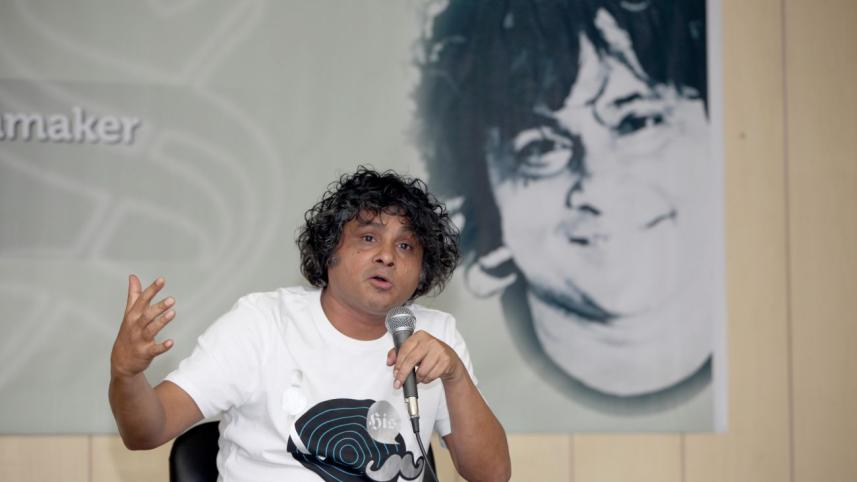
Salahuddin Lavlu emphasised the strength of the tradition. “There are many reasons why fewer family dramas are being made now, even though we had a rich tradition of them. Audiences in this country mostly watched family dramas. Our senior directors and playwrights created timeless works in this genre that deeply touched people. These dramas are still cited as examples today. I primarily work with rural stories, but I always try to incorporate family elements into them. Somehow, family storytelling started to decline—but the question is, who is responsible? Still, if we want, we can bring back that tradition.”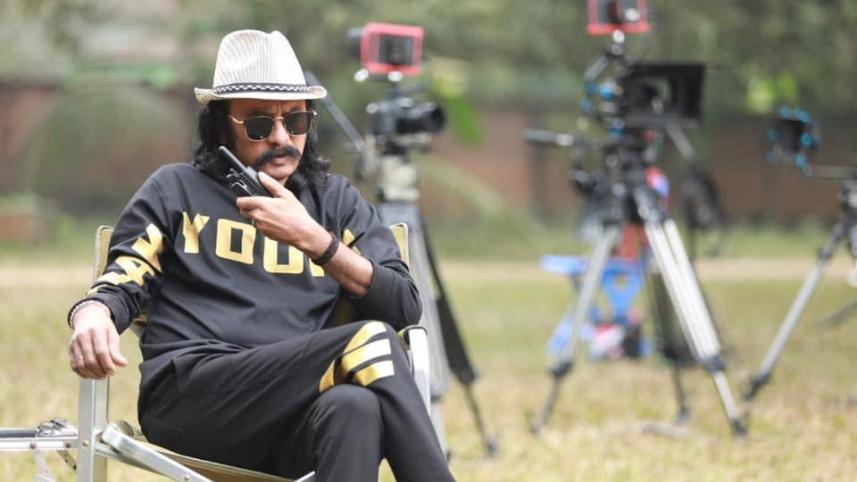
Aranyo Anawer pointed to changing social realities. “One of the main reasons is time. Times have changed. There was a period when we lived in joint families, and most people in this country grew up that way. That is why family-based dramas were so common, and audiences connected with them. Now, joint families are almost non-existent. People live more independently, and naturally, storytelling has changed as well. It is not that such dramas are not being made at all—but they are fewer. I think this is a major reason. Recently, Mostafa Kamal Raz made a family-based drama titled ‘Eita Amader Golpo’, which was well received. A few such works are still being made with emotional depth.”
Animesh Aich highlighted industry-driven factors. “There could be several reasons behind the decline of family dramas. One major issue may be the lack of strong writers and directors. Some believe having stars is enough, and that mindset reduces the space for meaningful storytelling. Others assume that family dramas will not generate high viewership. Many are now focused on views and popularity, chasing content that performs well online. When everything revolves around views, family stories naturally become less common. However, ‘Bonolota Express' is an example of a family-oriented narrative.”
Sohel Arman reflected on a broader cultural shift. “There was a time when dramas ran purely on the names of Amjad Hossain or Humayun Ahmed. People also followed works by Abdullah Al Mamun and Atiqul Haque Chowdhury. Millions watched those dramas. But gradually, things changed. Audience tastes have evolved. With the easy accessibility of the internet and other changes, the entire landscape has shifted. Some people talk about ‘viral’ content—but I do not support that term. It often carries a negative connotation. Can something negative truly define popularity? Yet, this is the reality now. Popularity alone cannot determine quality. For many reasons, family-based dramas have declined.”

Despite the decline, directors agree that audience demand for strong storytelling remains. They believe that with the right focus, family dramas, rooted in everyday life and emotional depth, can make a meaningful comeback.

 For all latest news, follow The Daily Star's Google News channel.
Comments