Can fractured families be repaired? Galpo Holeo Satti thinks so

There is a particular genre of Bangla storytelling that is equal parts fable and social x-ray -- treating domestic dysfunction not as tragedy but as comedy waiting to be gently unravelled.
Galpo Holeo Satti (1966), Tapan Sinha's tale of a mysterious servant who walks into a fractured Kolkata household and walks out having quietly rewired its soul, is an epitome of that.


The premise is simple. A large joint family, perpetually besieged by its own domestic chaos, gets a new servant who is not merely efficient, he is attentive, patient, solicitous.
He remembers preferences, absorbs grievances, tends wounds and somehow possesses the almost miraculous ability to make a household feel less like an aggregation of individuals and more like a family.
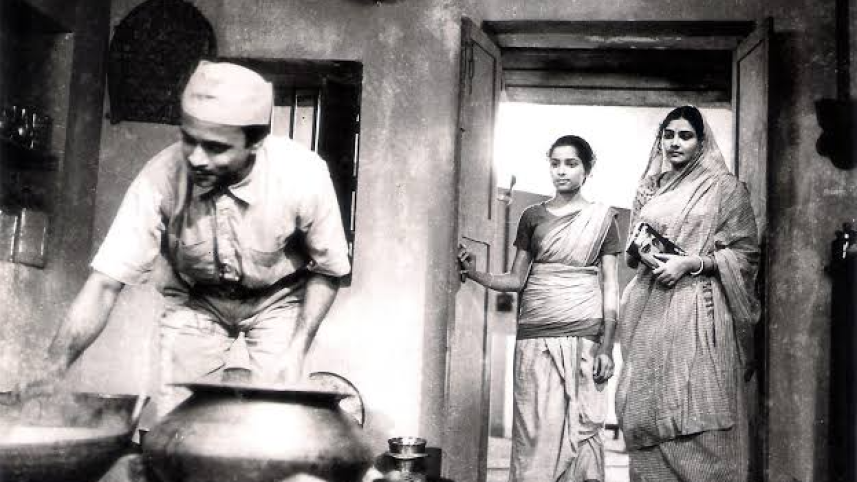
The Haldar family -- a beleaguered patriarch, three squabbling sons, their wives, and assorted dependents -- cannot survive a servant longer than a fortnight, so thoroughly has resentment calcified into ritual.
Enter Dhananjay, played with impeccable understatement by Rabi Ghosh, whose genius is as much diplomatic as culinary. He cooks, tends to the old man’s aching joints, and, above all, practices a deft form of subterfuge -- telling each brother in confidence that the others secretly admire him.
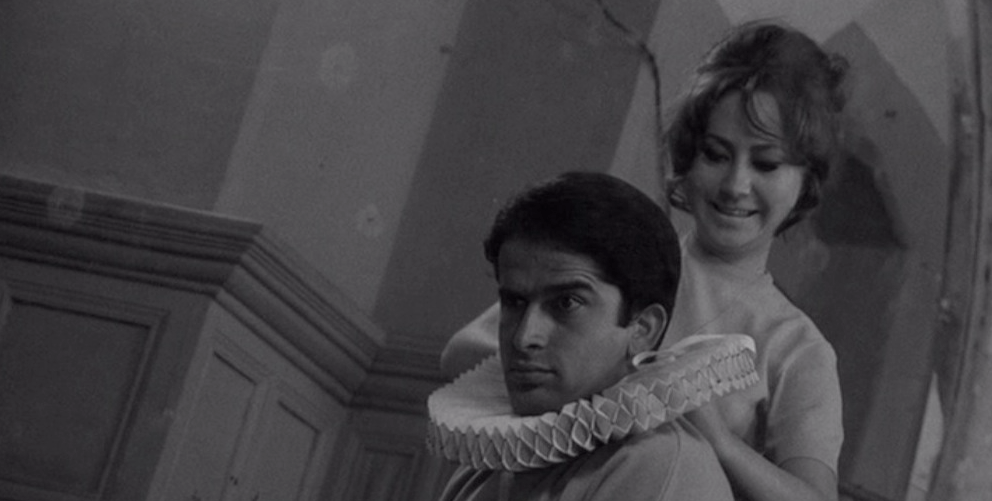
It is a lie repeated until it becomes, in the film's own paradox, true.
Sinha's title translates roughly as "a fable, but true", and the film spends two unhurried hours earning that qualifier.
What elevates this above sitcom contrivance is Sinha's refusal of the miraculous.
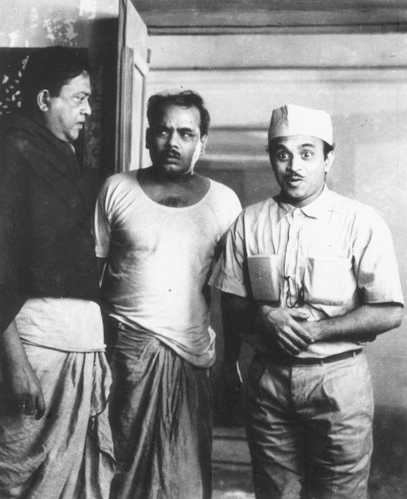
Nobody here is an angel in disguise, no divine intervention rescues the plot; the transformation is achieved through nothing grander than attentiveness and a well-timed fib.
In that sense, it is closer to Frank Capra’s moral universe than to melodrama.
Contemporary viewers have drawn the comparison, and rightly so, noting echoes of It’s a Wonderful Life filtered through a distinctly Bengali domestic setting.
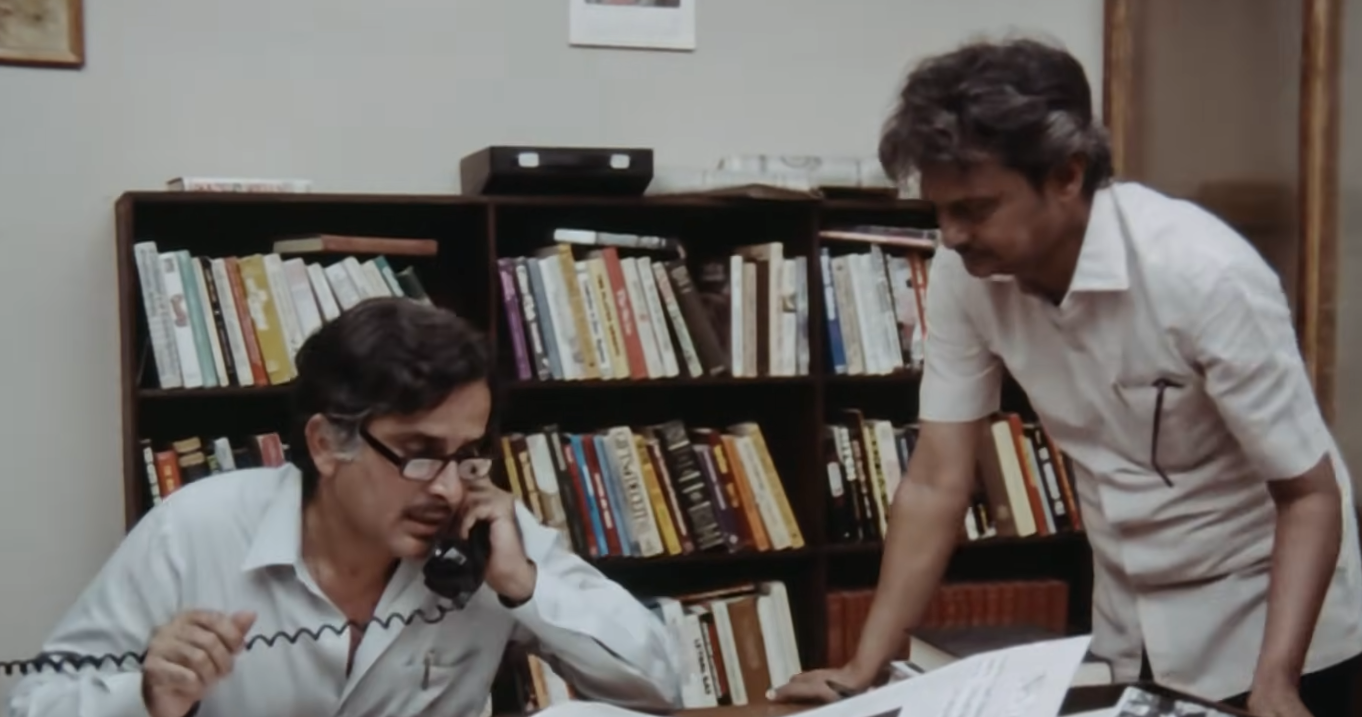
There is the claustrophobia of the joint family, the propriety of the middle class, and the particular ache of siblings who love one another but are too awkward to say so.
The film's staying power -- it seeded a small industry of remakes, most famously Hrishikesh Mukherjee's Hindi “Bawarchi” with Rajesh Khanna -- owes everything to its ensemble cast.
Bhanu Bannerjee, Chhaya Devi, and the rest inhabit their squabbles with an unforced naturalism that never tips into caricature; you recognise these people, which is precisely why their thaw feels earned rather than engineered.
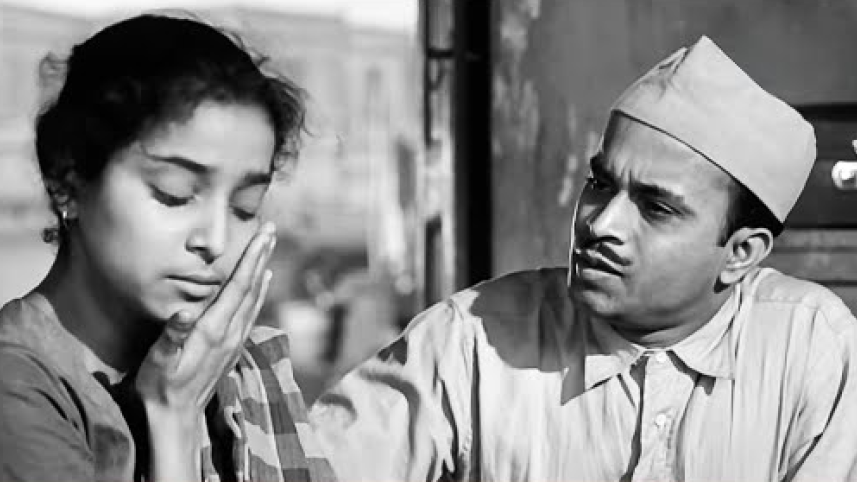
Sinha, who also composed the score, understood that warmth is a texture, not a plot twist -- it accretes in small gestures -- an unexpected cup of tea, a nap finally permitted, a compliment relayed secondhand and believed anyway.
Watched today, in an era rather less patient with unhurried virtue, Galpo Holeo Satti plays almost as gentle provocation -- a reminder that repair rarely announces itself with fanfare.
 For all latest news, follow The Daily Star's Google News channel.
Anne Hathaway joins Tom Cruise in ‘Days of Thunder’ sequel

Tauquir Ahmed to star in ‘The Orange’, a France-Bangladesh production

Emraan Hashmi diagnosed with swine flu

Tasnuva Tisha survives road accident on way back from shoot

I don’t mind being called an ‘influencer’: Masha

Bapparaj set for big-screen comeback with ‘Gulshaner Chameli’

‘We narrowly avoided a major accident’: Apu Biswas after returning from Nepal

The pain Babita still carries after all these years

Television and film organisations protest legal notice seeking to halt romantic projects