


Nemesis celebrates unrivalled 25 as Maher Khan makes emotional appearance
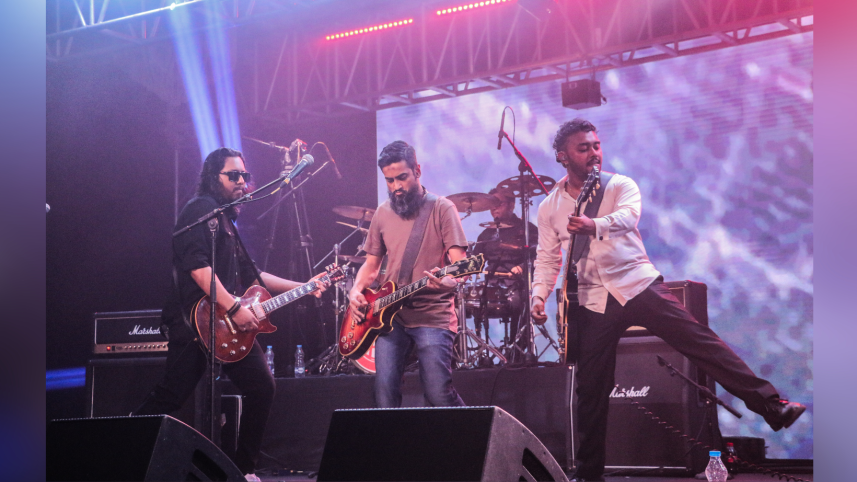
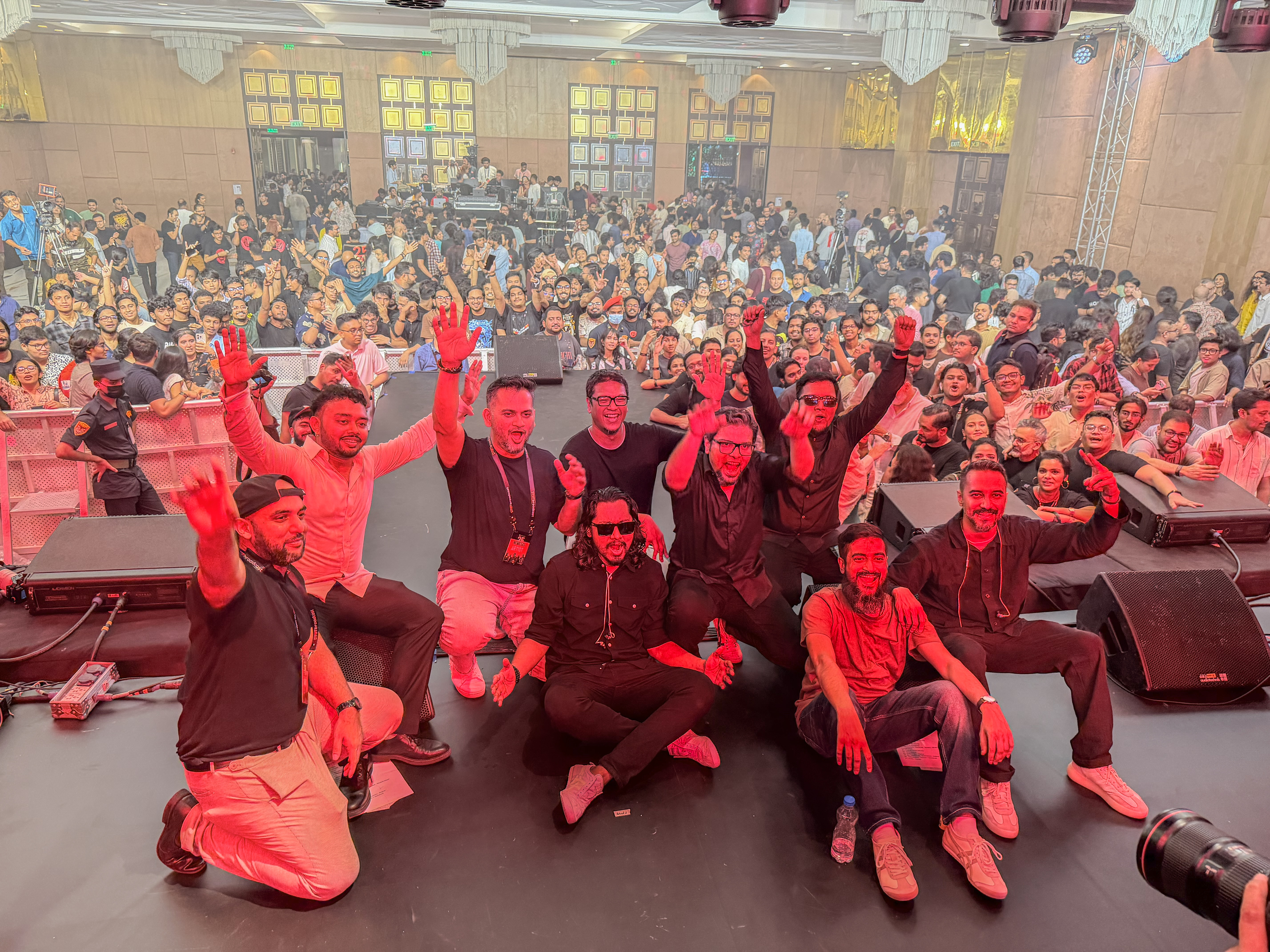
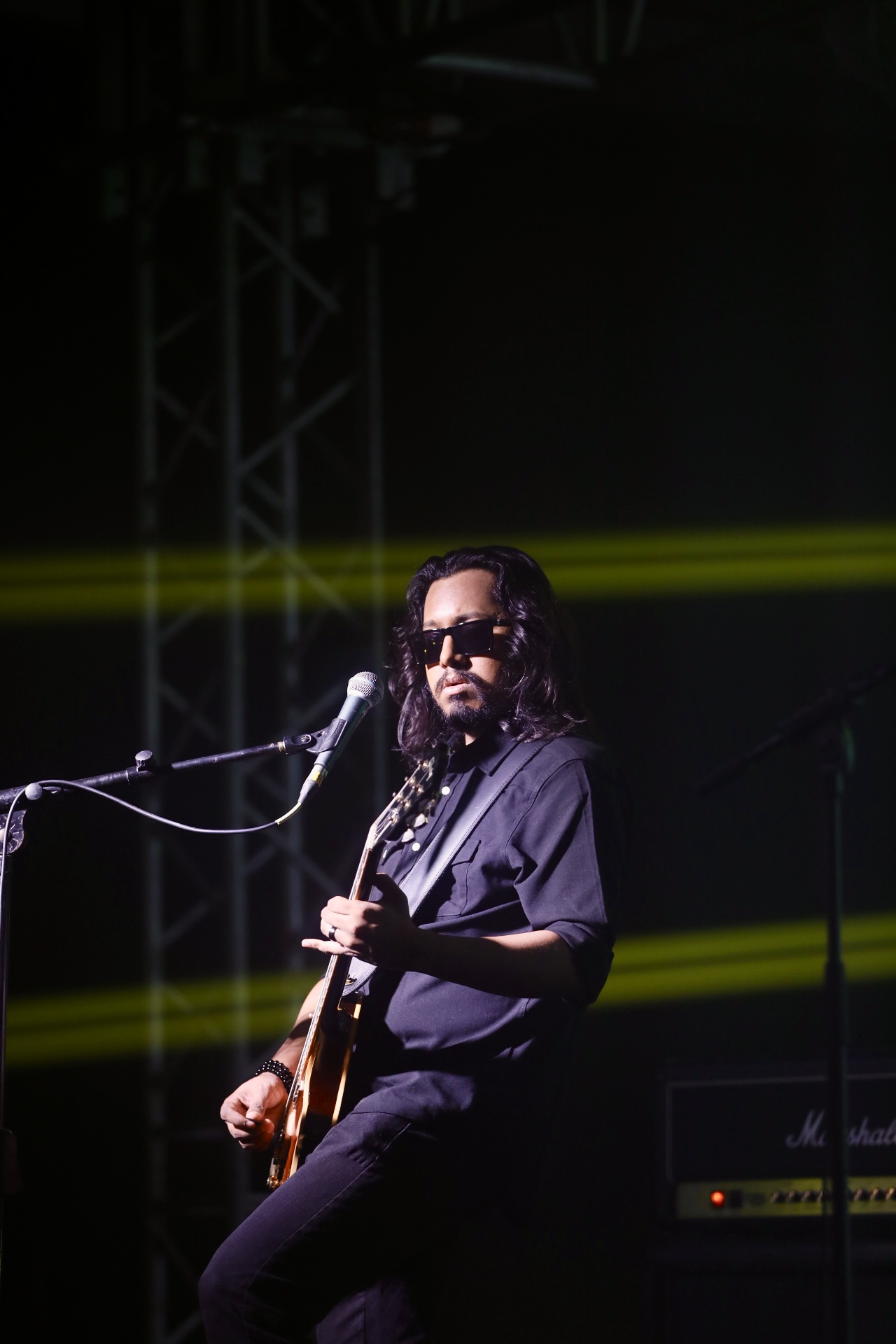
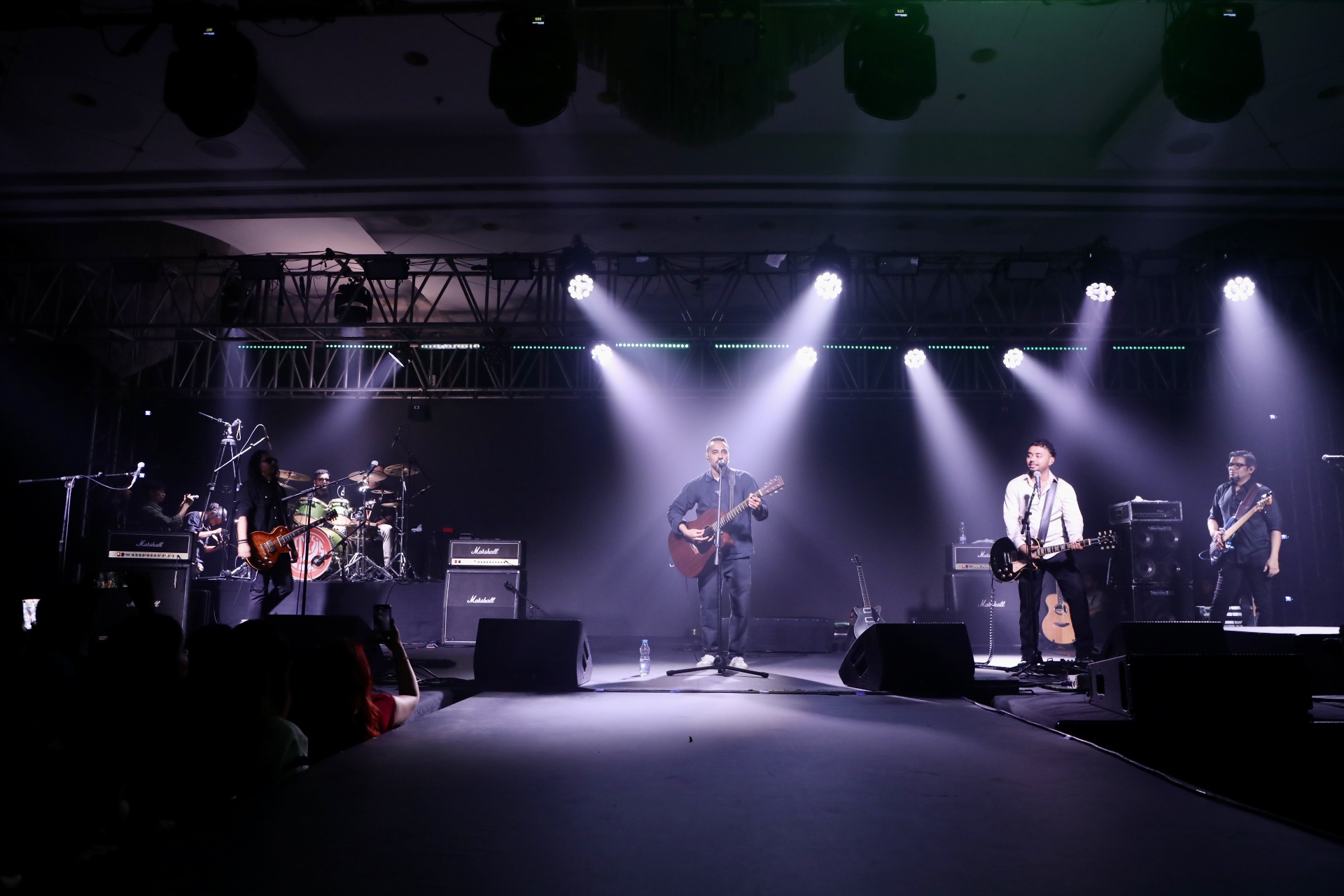
From underground stages to performing in front of millions, Nemesis marked its 25th year with a remarkable solo concert called “Eto Diner Poreo Je” on May 22 at InterContinental Dhaka from 6 pm onwards. Presented by Dhaka Broadcast and sponsored by Prime Now and Carpe Diem, the evening was the kind of night that does not leave you — one that felt less like a concert and more like a landmark.
That evening belonged to more than one generation. The first generation that loved Nemesis showed up that night carrying twenty-five years with them. Some brought their teenagers. Some brought children young enough not to fully understand where they were yet, only that something important was happening.

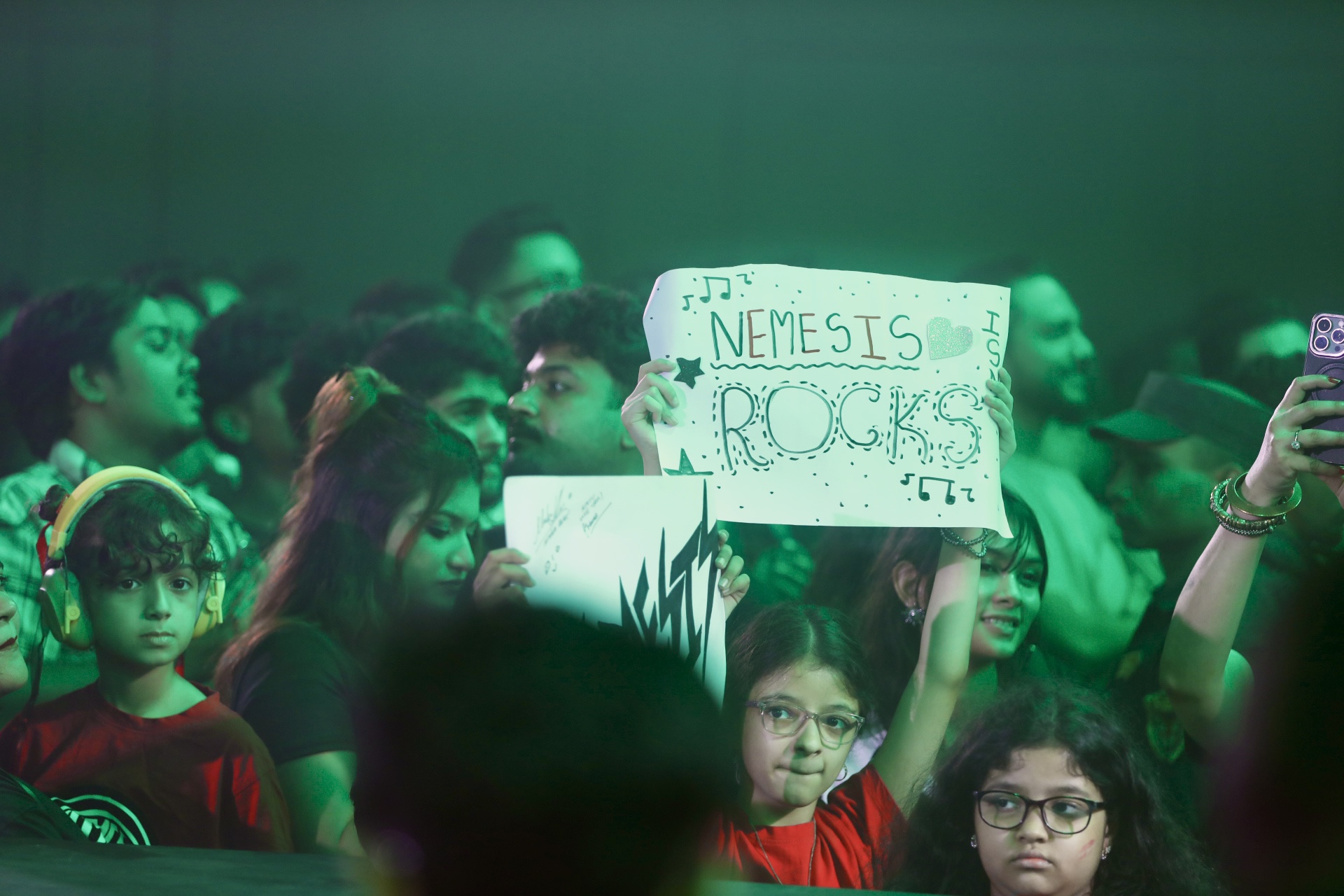
The room felt everything from tears, joy, disbelief, gratitude and people let it all move through them without resistance and did not want it to end. Neither did the band members. The only reason anyone reached for their phone that night was to hold onto a moment, a song, or a face on stage that already felt like a memory they knew they would want to return to.
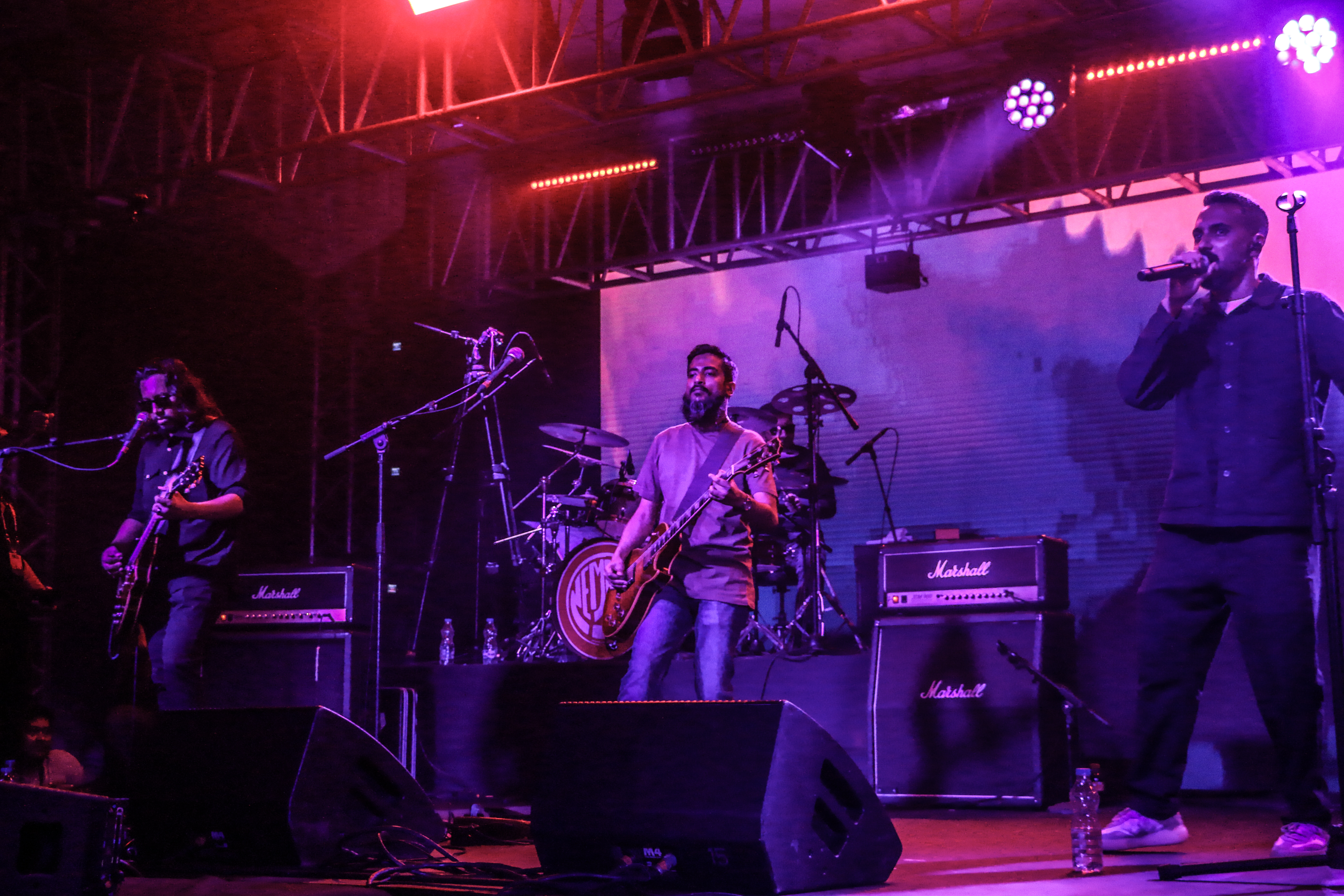
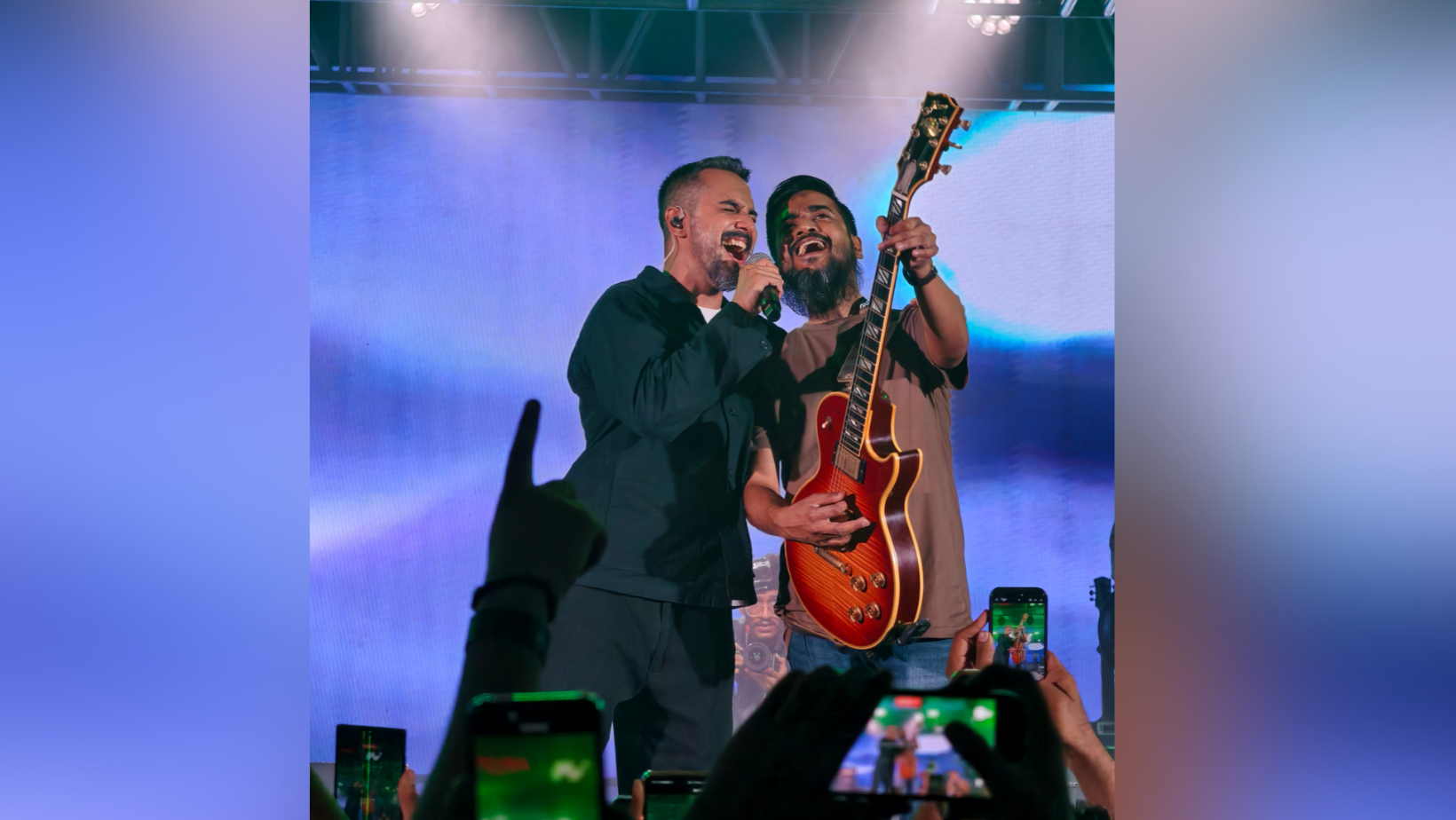
The night of May 22 was extraordinary. The surprises came one by one. When former guitarist of Nemesis, maestro Maher Khan, absent from any stage for fourteen years, walked out and performed with his iconic old orange-golden PRS guitar back in his hands, the room did not quite know what to do with itself. Former and one of the founding members, Yawar Mehboob, also performed one of their hits, “Onneshon”, before him. Dio Haque, who had been previously navigating serious health issues, also showed up and rocked the stage because this was not a night to sit out. And at one point, Shakib Chowdhury and Farhan Samad from Cryptic Fate shared the stage performing alongside Nemesis in front of a crowd that had long stopped expecting the night to get any bigger.
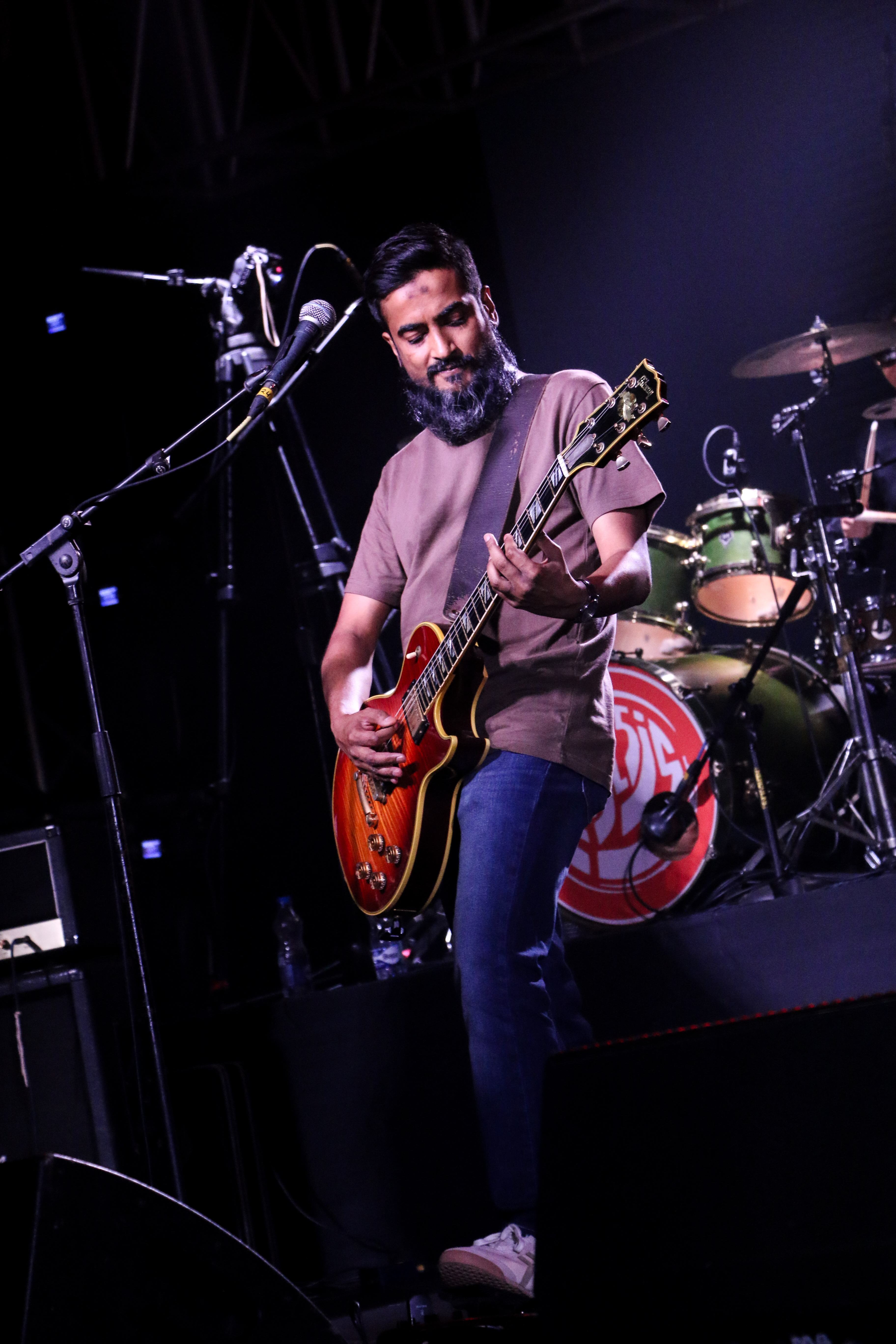
Before the show, the band had said it plainly: “Any hardcore Nemesis fan who misses this show will never get to experience anything like it again.”
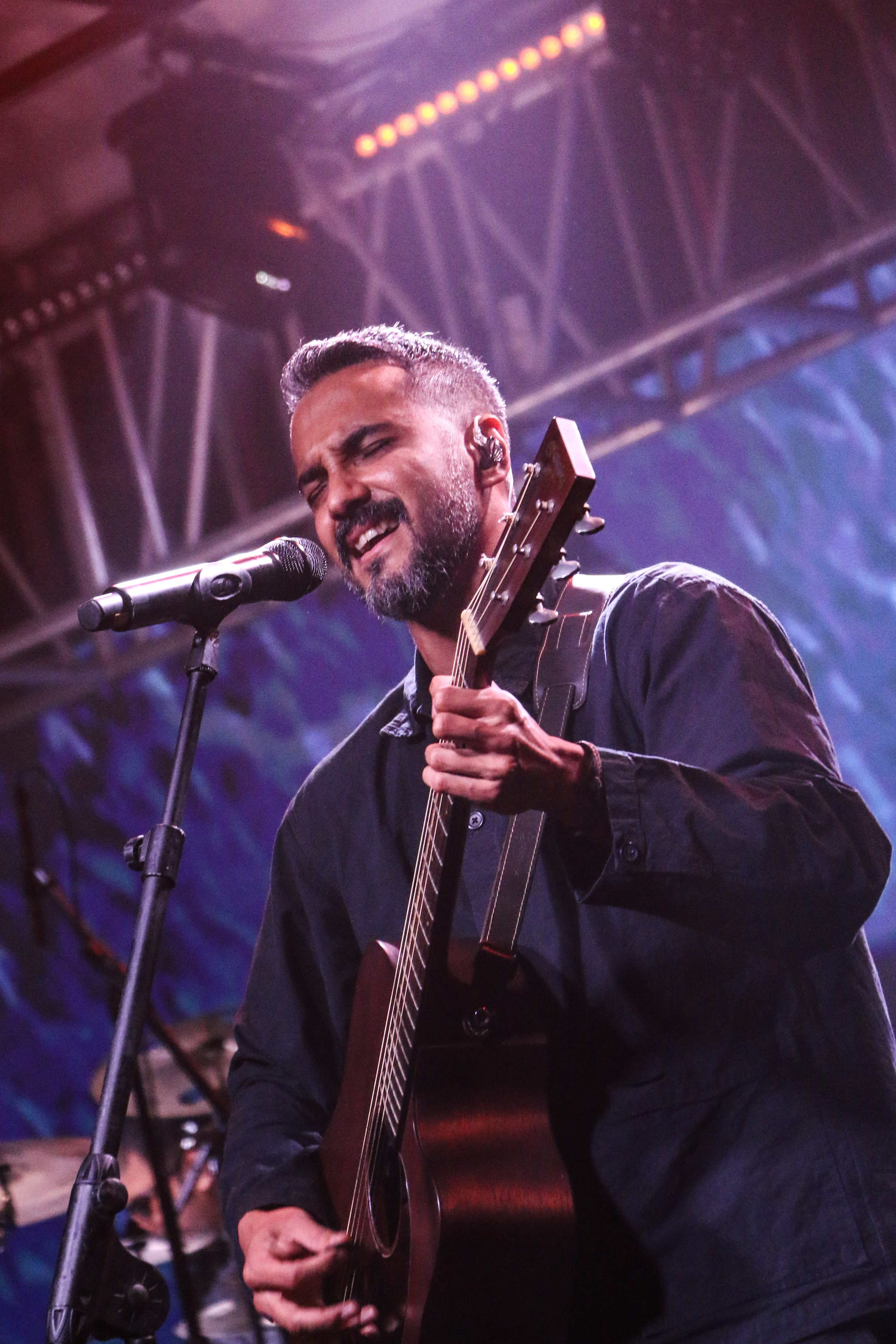
Twenty-five years means a generation that grew up with these songs, then grew older and found the songs had kept pace with them. It means a country that changed and kept reaching for the same guitar riffs when it needed something to hold onto. It means "Gonojowar", written a decade ago, became the sound of a revolution, its bridge sung in the streets by people who found in it exactly what they needed, exactly when they needed it.
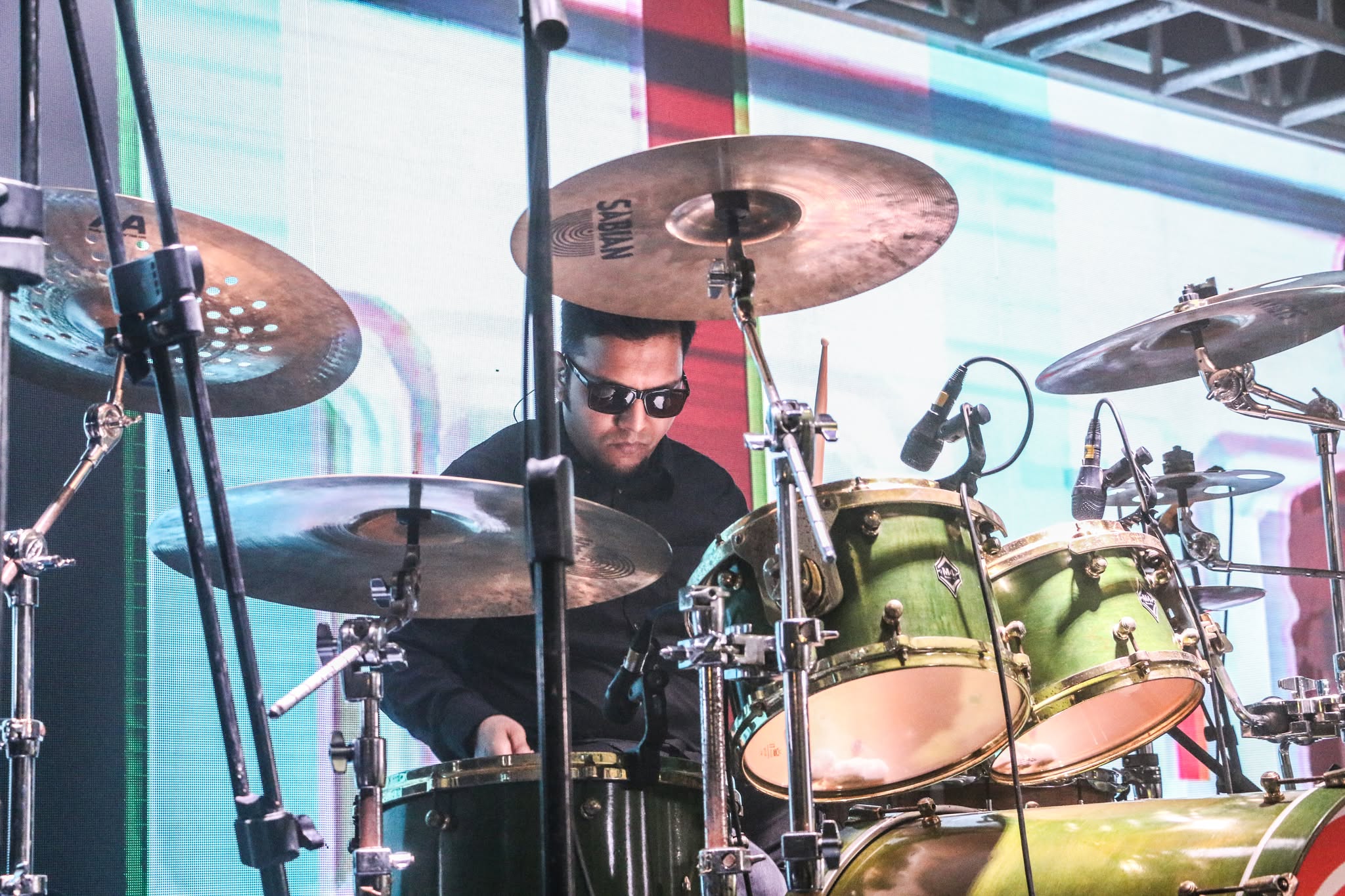
For Zohad, the answer to what has survived all of it is straightforward. "What we stand for, and why we make music — that hasn't changed. The hunger to test ourselves, to learn, to explore beyond what we already know. We love getting on stage and trying to win the crowd over. Every single time."
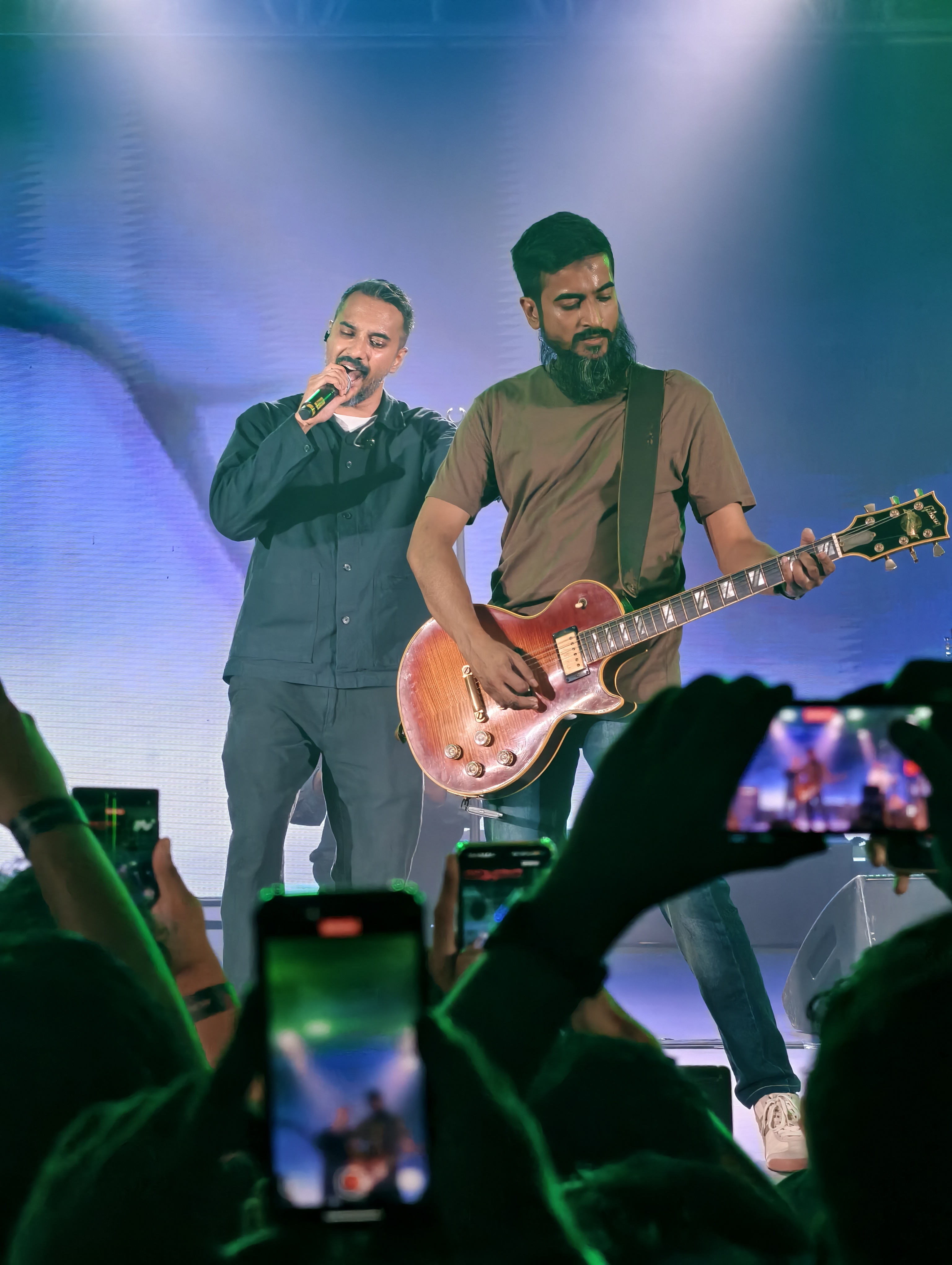
That hunger is what this has always been about. Not the milestones or the anniversaries, just the need to make something real and put it in front of people who feel it. Twenty-five years in, that desire is as loud as it ever was.
 For all latest news, follow The Daily Star's Google News channel.
Comments