


Goutam Ghose, Habibur Rahman Khan reunite for Shahaduzzaman’s ‘Ekjon Komlalebu’ on Jibanananda Das
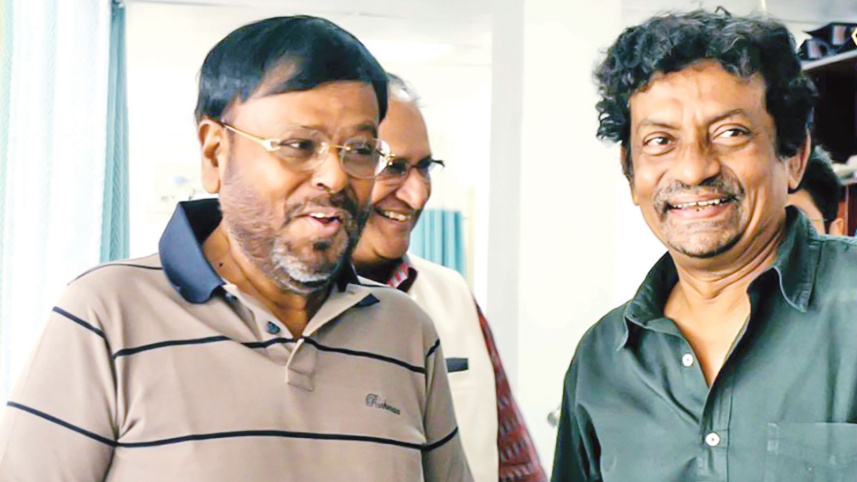
Filmmaker Goutam Ghose and Bangladeshi producer Habibur Rahman Khan are planning a new film on poet Jibanananda Das, their latest collaboration after “Padma Nadir Majhi”, “Moner Manush” and “Shankhachil”. The untitled project will be based on prominent writer and novelist Shahaduzzaman’s novel “Ekjon Komlalebu”.
Habibur revealed the plan in a recent long-form interview with YouTube channel Radio Gaga. He said the film will draw on Jibanananda’s life, literature and inner conflicts, with Ghose already researching the poet and having met Shahaduzzaman in London to discuss the project.

“Goutam and I are both obsessed with the film,” Habibur said. “We often discuss it over the phone. He has been researching the subject for a long time.”
The actor who will play Jibanananda has not yet been chosen. Habibur, however, has made one condition clear: the poet must be played by a Bangladeshi actor.
“Goutam and I have discussed it, and the actor will be from Bangladesh. He was born here, and Goutam has agreed to that condition,” he said.
Habibur also hopes to cast actor Afzal Hossain as Bhumendra Guha, the poet, researcher and close associate who became closely involved with Jibanananda’s unpublished writings after his death.
Guha knew Jibanananda during the final years of his life and later worked extensively with the poet’s manuscripts. He helped prepare and preserve numerous unpublished poems, stories and novels, much of which had remained in trunks after Jibanananda’s death.
“Ekjon Komlalebu” itself approaches Jibanananda through the contradictions of his life and literary career. The novel has previously been adapted for the stage, where it explored the poet’s literary struggles, family tensions and years of rejection.
The new film would extend a long creative association between Ghose and Habibur. Their collaborations include “Padma Nadir Majhi”, based on Manik Bandopadhyay’s novel; “Moner Manush”, on Lalon Shah; and “Shankhachil”, set against the legacy of Partition. The two have also remained associated with several major works of Bengali cinema over the decades.
Habibur entered film production in the early years of independent Bangladesh and was among the producers of Ritwik Ghatak’s “Titash Ekti Nadir Naam” (1973).
His later production credits include films such as “Hothat Brishti”, which became a major popular success in Bangladesh and India. Habibur described the Jibanananda project as a personal ambition he hopes to see through.
“I dream of making this film. I do not know whether I will live to see it completed,” he said. “But even if I die after finishing this film, I will have no regrets.”
For Habibur, the project is also an attempt to reckon with the difficult life Jibanananda lived and the neglect he faced during his lifetime.
“Whatever we did to Jibanananda as a nation, the suffering he went through—if I can make this film, perhaps he will forgive us a little,” he said. “That is what I believe. That is why this film should be made.”
 For all latest news, follow The Daily Star's Google News channel.
Comments