


Ed Sheeran and the ‘apolitical’ hypocrisy against ‘free Palestine’

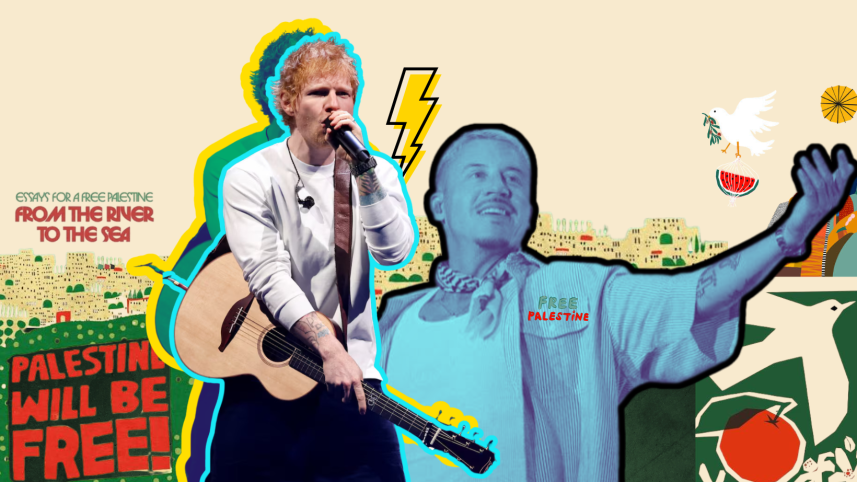
How much money is enough for an artiste? And is it worth indirectly endorsing a genocide, while casting away a friendship of 13 years?
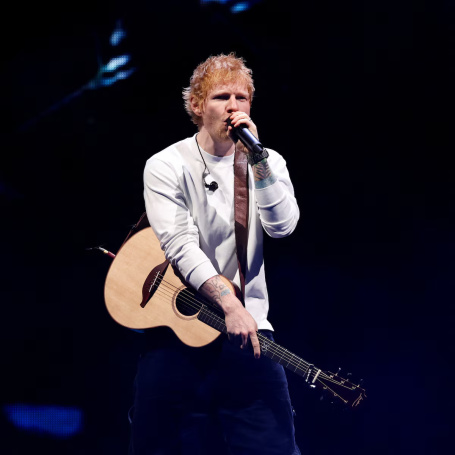
Ed Sheeran, who is worth reportedly around $400 million, has faced backlash following the removal of Macklemore from his US “Loop Tour”.

Several stadium venues objected to the rapper performing after his “Free Palestine” remarks, while Sheeran shared that Macklemore’s removal was the promoter’s decision, not his.
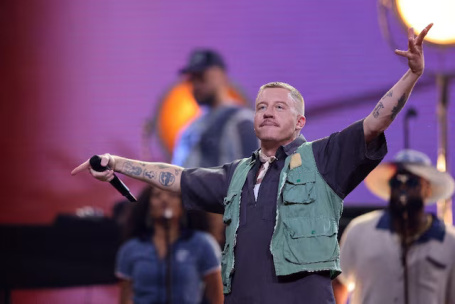
Grammy Award-winning rapper Macklemore, whose real name is Benjamin Haggerty, voiced support for a “Free Palestine” during his performances at New Jersey’s MetLife Stadium earlier this month. He also displayed images of the devastation in Gaza during his performance.
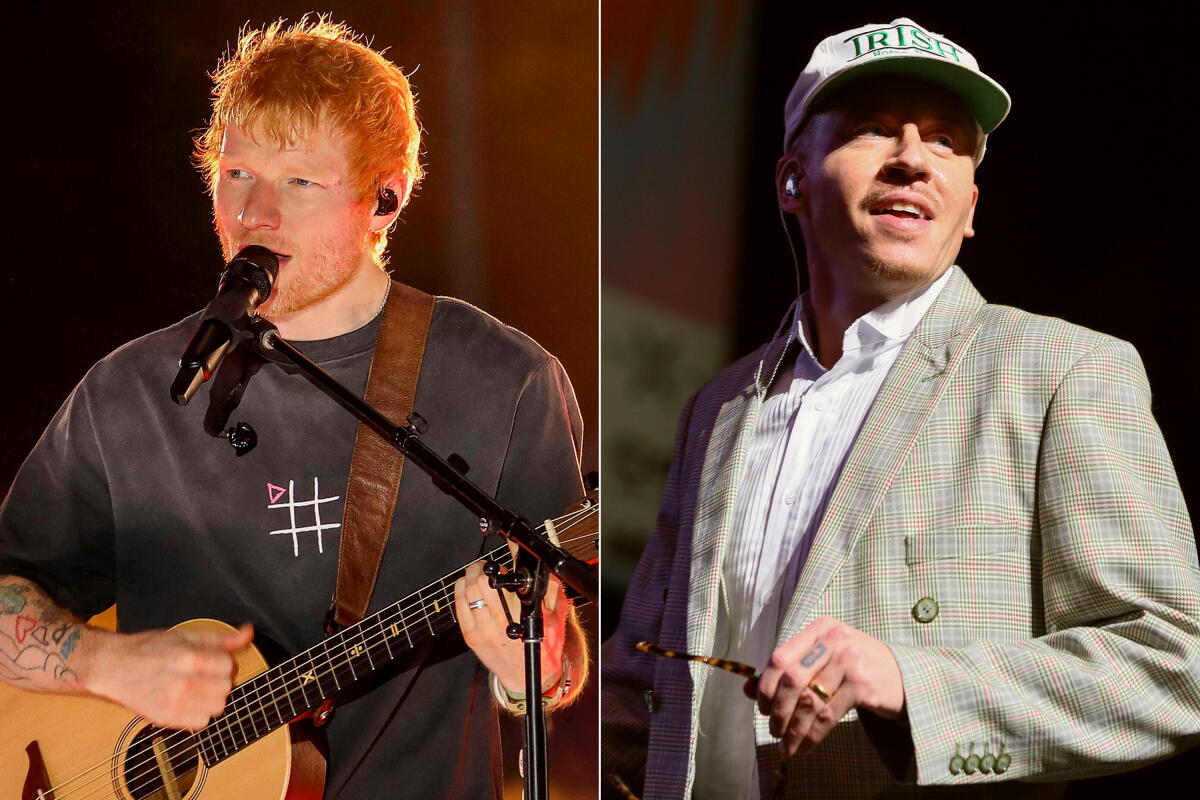
Those words came with a price.
P!nk reshared a post accusing Macklemore of being anti-Israel and supported calls for his removal. StopAntisemitism also called for him to be dropped from the tour, making similar accusations.
The rapper, known for hits such as “Thrift Shop” and “Can’t Hold Us”, responded in his own way. After his removal, he announced that he would donate his entire $1 million net earnings from his shortened stint on Sheeran’s tour to six organisations supporting Palestinians. He also challenged Kraft to match the donation.
Kraft later announced a $2 million humanitarian commitment.
Sheeran also pledged $2 million towards humanitarian aid, according to Kraft.
Despite publicly stating his apolitical stance, Sheeran has lost reportedly roughly around 300,000 Instagram followers in the immediate aftermath. Macklemore, meanwhile, gained more than 750,000.
A number of social media influencers and artistes have also backed Macklemore and called for a boycott of Sheeran’s music. US Congresswoman Alexandria Ocasio-Cortez told TMZ that she would no longer listen to Sheeran’s music. She accused him of giving in to billionaire interests and allowing their influence to suppress freedom of speech.
And that brings us back to the uncomfortable question: why did it have to come down to this?
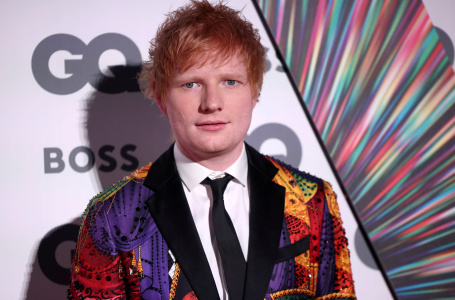
Sheeran is one of the biggest touring artistes in the world. If several stadium owners objected to Macklemore, why was removing him the solution? If the tour had been cancelled, the venues would have lost money too. They would have given up thousands of ticket sales.
It is true that not every concertgoer who wants to listen to music and have a good time would necessarily want to hear about the conflict in Palestine. But Macklemore saw his performances as an opportunity to speak about it.
As he put it: “I didn't need 10 shows from Ed. I needed two. Two chances to stand in front of 90,000 people and say words that somehow became too dangerous to say.”
Sheeran, meanwhile, has said he did not want to disappoint his fans or abandon the crew members and musicians who depend on the concerts for their livelihoods.
 For all latest news, follow The Daily Star's Google News channel.
 But as an artiste, how long can he continue to uphold his “good boy” image while maintaining close relationships with billionaires such as Robert Kraft?
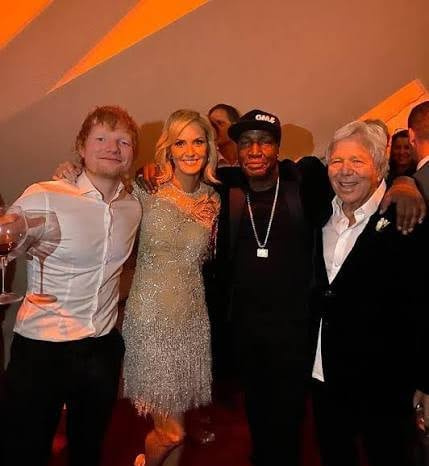
Sheeran performed at Kraft’s 2022 wedding and has previously spoken warmly about their relationship. In an interview with SiriusXM’s “The Morning Mash Up”, he described Kraft as “super sweet” and said he had “always had a lovely relationship” with him.
That raises a difficult question about where an artiste draws the line between music and politics. If expressing solidarity with people affected by one war can be considered separate from politics, why should expressing solidarity with Palestinians be treated differently?
Many critics have also questioned Sheeran’s silence over Gaza.
According to Macklemore’s account of their conversations, Sheeran told him that the words “Free Palestine” were hurtful to many of the people he had spoken to.
This is where the contradiction becomes difficult to ignore. Artistes can draw inspiration from a culture, its language and its history, yet remain silent when the people connected to that culture are facing political conflict and suffering.
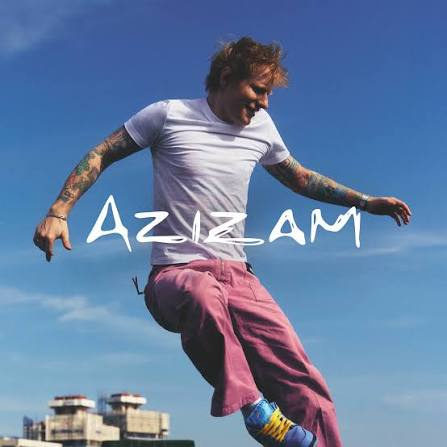
Take Sheeran’s “Azizam”, for example. The song takes its title from a Persian term meaning “my dear” or “my beloved” and incorporates Persian cultural influences. Sheeran has also spoken about being inspired by the Persian heritage of the song’s producer, ILYA.
Culture, however, does not exist in a vacuum. It comes with history. It comes with people, identity, struggles and, yes, political conflict.
You cannot simply take the parts of a culture that you like, turn them into something commercially successful and then distance yourself from everything else when it becomes inconvenient.
The fallout from Macklemore’s removal also extended beyond him. All four of Sheeran’s remaining supporting acts — Finneas, Lukas Graham, Aaron Rowe and Irish band Beoga — withdrew from the tour in the aftermath of the controversy.
Finneas wrote on Instagram: “Artistes must not be silenced when they speak up for the oppressed. I stand with Palestine and its people.”
Aaron Rowe also announced his withdrawal, saying he could not “stand by and allow billionaires to use their position of power to silence” voices speaking against Israel’s actions in Gaza.
Amnesty Ireland also welcomed the decision by the supporting acts to withdraw. Its director, Stephen Bowen, specifically praised Rowe and Beoga for having the “courage to act”. He said Israel’s impunity could no longer be tolerated and urged people everywhere to follow their conscience and stand up for human rights.
According to Rolling Stone, seven venues reportedly objected to Macklemore performing on Sheeran’s US “Loop Tour” following his “Free Palestine” remarks. They included Lincoln Financial Field, Gillette Stadium, Mercedes-Benz Stadium, Lucas Oil Stadium, Bank of America Stadium, AT&T Stadium and Raymond James Stadium.
The tour promoter said the venues would not allow concerts to take place with Macklemore on the lineup, raising the possibility that the tour could have been cancelled.
Venues can decide who gets to perform based on what they consider unacceptable. But that raises another question: where is the same standard when an artiste with a documented history of antisemitic statements, such as Ye, is still allowed to perform?
Ye performed two concerts at Raymond James Stadium in Tampa, Florida, on June 26 and June 28, 2026, despite criticism and calls for the shows to be cancelled over his history of antisemitic remarks.
Ye has faced widespread backlash over a series of antisemitic remarks. In 2022, he posted that he would go “death con 3 on JEWISH PEOPLE”, while later remarks included praise for Adolf Hitler and Nazi ideology. His comments led to the loss of major commercial partnerships, including Adidas, although he continued to secure bookings at major venues.

The contrast becomes even more striking when artists and filmmakers speak out about Palestine. Israeli filmmakers Yuval Abraham and Rachel Szor faced threats over their documentary “NAZA”, which won the Special Jury Prize at the Venice International Film Festival. Israeli Prime Minister Benjamin Netanyahu has vowed to pass a law allowing the citizenship of anyone who “defames” Israeli soldiers to be revoked. “NAZA” features testimonies from Israeli military and intelligence personnel about AI-assisted targeting and civilian deaths in Gaza.
Power can silence voices it disagrees with, but it cannot erase the reality those voices are speaking about.
Macklemore chose to speak, knowing there could be consequences, while Sheeran chose to carry on. In doing so, Sheeran has faced criticism from fans, fellow artistes and public figures who believe his decision to remain “apolitical” has itself become a political position.
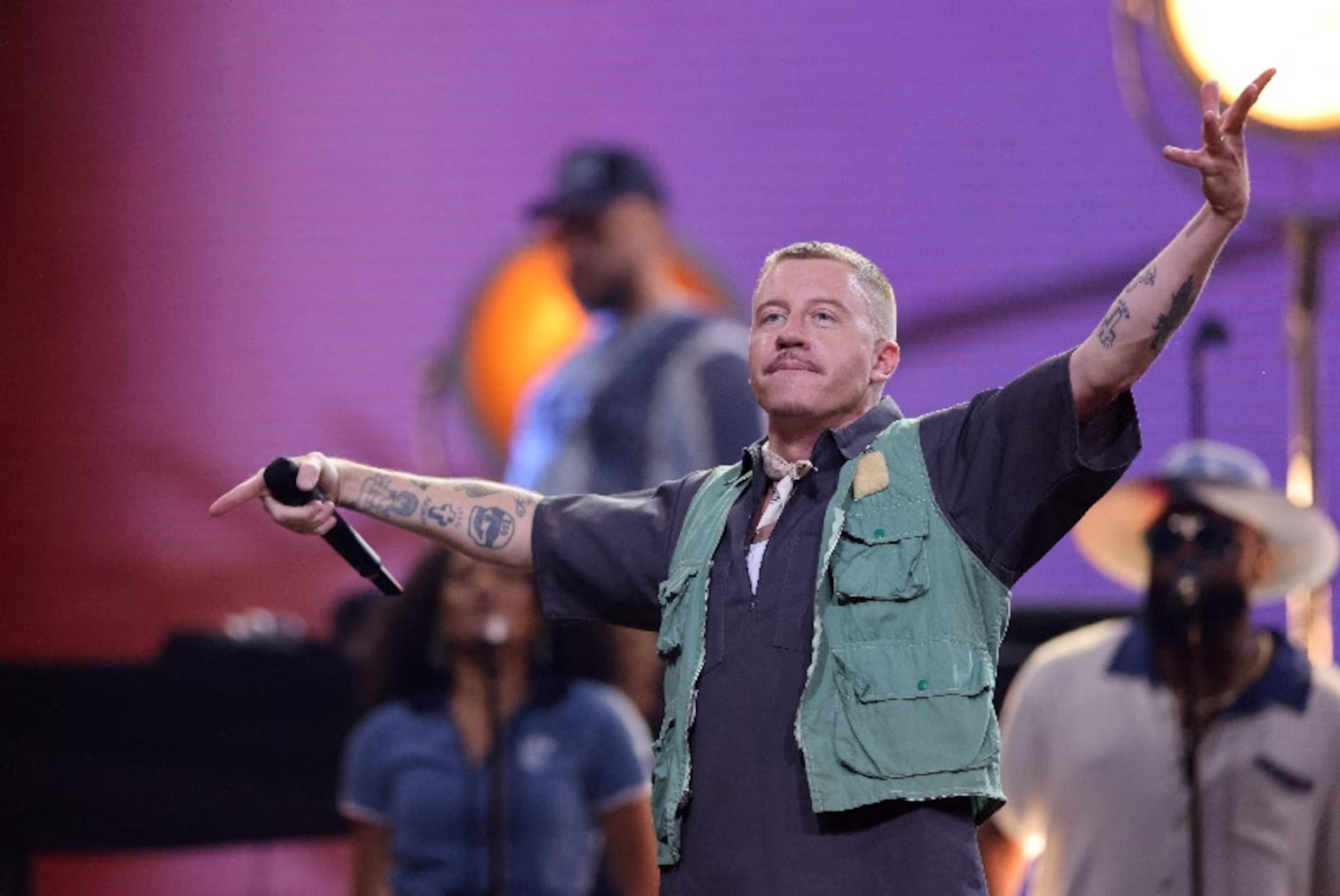
But, as Macklemore himself said, neither he nor Sheeran is the victim.
“The victims are the Palestinian people” — the men, women and children who have been killed, starved, displaced and forced to endure unimaginable violence.
Comments