


Tight monetary policy likely to continue

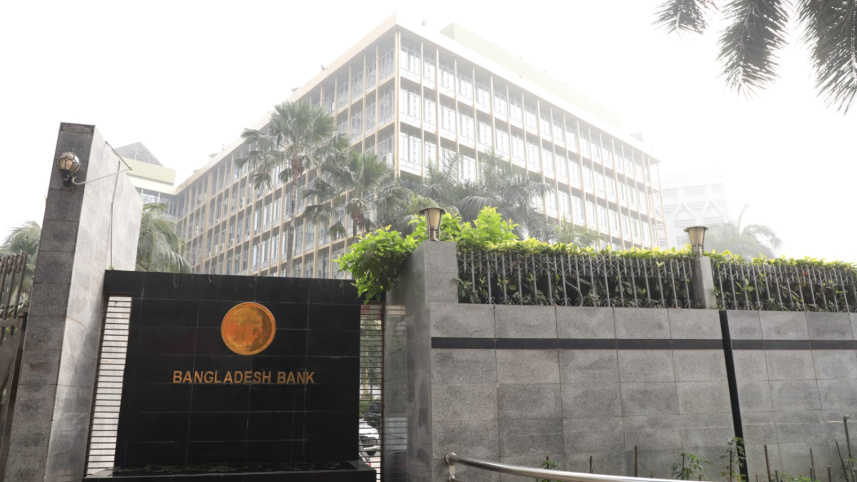
Bangladesh Bank (BB) is set to announce its monetary policy for January-June of the current fiscal year today, just two days before the national election.
BB Governor Ahsan H Mansur will present the policy at 11:00am at a press conference at the central bank’s Motijheel headquarters. This will be the last monetary policy under the current interim government.

The policy rate, or repo rate -- a key interest rate used to influence overall economic activity, credit and inflation -- is expected to remain unchanged at 10 percent due to persistent inflationary pressures.
Central bank officials involved in policy formulation said BB will continue its tight monetary stance as inflation remains elevated, despite previous interest-rate hikes that have fallen short of the governor’s inflation targets.
Data from the Bangladesh Bureau of Statistics (BBS) shows overall inflation rose to 8.58 percent in January, marking the third consecutive monthly increase, with food prices rising ahead of Ramadan.
Although the policy rate has been raised from 6 percent to 10 percent over the past three years, inflation has remained stubbornly high. Headline inflation peaked at 11.66 percent in July 2024 and, while it briefly fell to 8.48 percent in June last year -- the first time it dropped below 9 percent in two years -- it rose again to 8.49 percent in December from 8.29 percent the previous month.
This persistence undermines Governor Mansur’s forecast that inflation would fall below 5 percent by fiscal year 2025–26.
Industry insiders said inflation is being driven more by supply-side constraints than by excess demand. The central bank has resisted calls for a rate cut and has kept the policy rate at 10 percent since October 2024.
BB is also expected to revise its private sector credit growth target to encourage investment after the February 12 election.
According to BB data, private sector credit growth fell to a four-year low of 6.10 percent in December 2025, down from 6.58 percent in November, reflecting political uncertainty and subdued economic activity.
Zahid Hussain, former lead economist at the World Bank’s Dhaka office, said the central bank has limited room to ease policy while inflation remains high and is likely to keep the policy rate at 10 percent in the near term.
“Cutting the policy rate now could worsen inflation rather than stabilise prices,” he said, adding that inflation is driven not only by excess demand but also by supply bottlenecks and global supply chain disruptions.
On exchange-rate management, Hussain said Bangladesh Bank is prioritising stability over allowing the taka to strengthen against the US dollar. Despite steady remittance inflows and improved dollar availability, the central bank is avoiding taka appreciation, as a stronger currency could lower import costs but hurt export earnings and remittance inflows.
He added that private sector credit growth remains weak and short-term foreign borrowing has declined. While lower interest rates could support investment, high inflation constrains such measures.
“BB’s dollar purchases have added liquidity to the banking system, but weak credit demand has so far kept inflationary risks in check,” Hussain said.
 For all latest news, follow The Daily Star's Google News channel.
Comments