


Mobile phone prices will fall after import duty cut: special assistant to CA
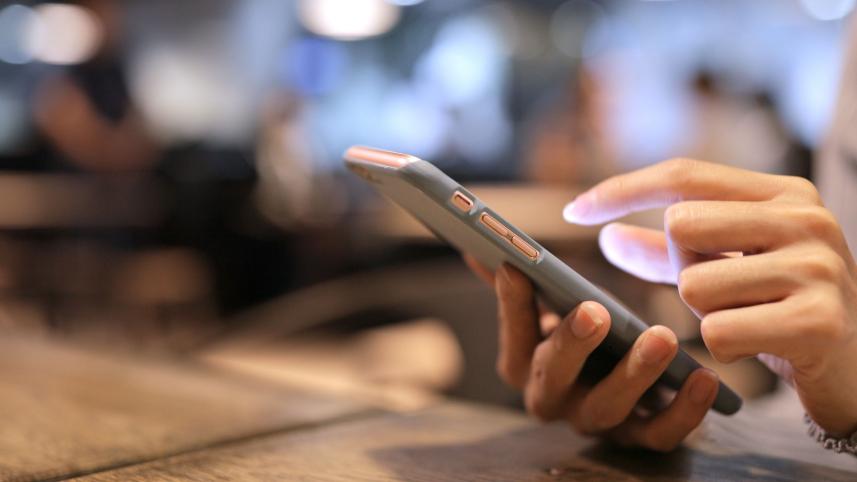
Mobile phone prices will come down following the reduction of import duties, said Faiz Ahmad Taiyeb, special assistant to the chief adviser with executive authority over telecom and ICT.
“As duties have been reduced, prices will definitely come down,” he said.

He made the remarks today while responding to a question at a discussion titled “Reform Agenda for the ICT and Telecom Sector” held at Karwan Bazar in the capital.
The event was jointly organised by civic platform Voice for Reform and the Technology Industry Policy Advocacy Platform (TIPAP).
Taiyeb said that reducing duties is not the responsibility of the Ministry of Posts, Telecommunications and Information Technology. Still, the ministry made its maximum effort to reduce mobile phone import duties.
“I, as a stakeholder of this sector, made the maximum effort to bring it down to 10 percent. I throw this challenge—if anyone from any other sector can bring duties down to such a tolerable level, let them do it and show us,” he said.
The government has reduced import duties on mobile phones from 25 percent to 10 percent. The National Board of Revenue (NBR) issued a notification in this regard on Tuesday.
According to NBR estimates, the duty reduction will lower the price of each imported mobile phone costing more than Tk 30,000 by approximately Tk 5,500. For domestically assembled mobile phones priced below Tk 30,000, the price will fall by around Tk 1,500.
When asked whether there would be any monitoring to ensure prices actually fall. Taiyeb said that the NBR, the Ministry of Commerce and the Directorate of Consumer Rights Protection would carry out monitoring.
Claiming that all demands of the protesters have been accepted, Taiyeb said that mobile phones currently in traders’ stock have been legalised and that no mobile phone will be blocked over the next three months.
“Despite all this, taking to the streets is unfortunate. This will be recognised as being against an investment-friendly environment,” he said.
Fahim Mashroor, CEO of Bdjobs, said out of every Tk 100 spent on talk time, about Tk 55 goes to the government. There is still a 20 percent supplementary duty on data.
In other words, from the government’s side, internet and telecommunications are still being treated as consumer goods. We have failed to establish the fact that these are actually social goods, he added.
Speakers at the discussion also included Bangladesh Telecommunication Regulatory Commission (BTRC) Commissioner Brigadier General (retd) Iqbal Ahmed, telecom expert Mahtab Uddin Ahmed, Professor Niaz Asadullah, head of the White Paper Publication Taskforce of the ICT Division, among others.
Meanwhile, Mobile phone traders on January 13 formed a human chain in Dhaka, demanding a postponement of the implementation of the National Equipment Identity Register (NEIR) system and the release of colleagues arrested over protests against the initiative.
 For all latest news, follow The Daily Star's Google News channel.
Comments