


UK car sector stalls on Covid, semiconductor shortage
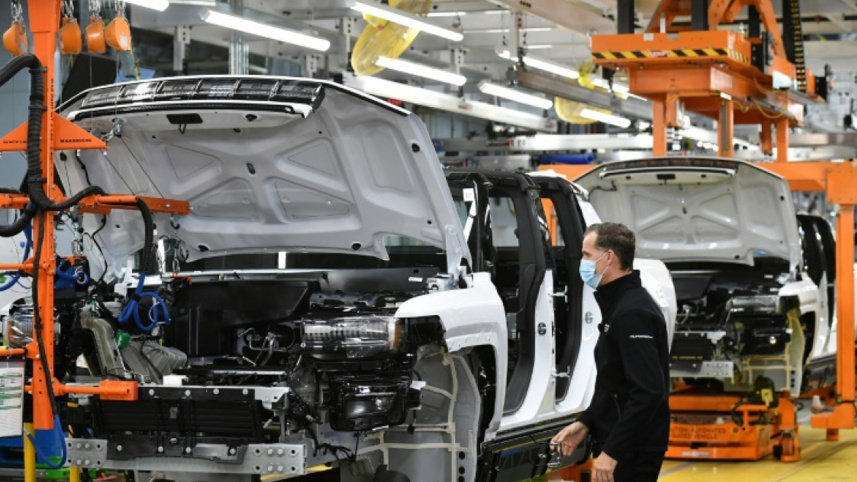
Britain's car manufacturing stalled last year on pandemic fallout including a semiconductor shortage, despite record demand for greener electric vehicles, industry data showed Thursday.
The nation's mainly foreign-owned automakers produced 1.65 million vehicles in 2021, the Society of Motor Manufacturers & Traders (SMMT) said in a statement.

That was up just one percent from 2020 -- but almost 29 per cent lower than the market's pre-pandemic level in 2019.
"It's been another desperately disappointing year for the car industry as Covid continues to cast a pall over any recovery," SMMT chief executive Mike Hawes said in the statement.
The SMMT has predicted a recovery to 1.96 million cars for this year, but the forecast predates the arrival of the Omicron coronavirus variant in late November.
The pandemic erupted in early 2020 and has ravaged demand for new vehicles, while the market has also been impacted by a supply-chain crunch.
Global car output has been held back by a worldwide shortage in computer chips, which are vital components in all types of vehicle.
The UK car industry is also grappling with trade fallout from Britain's exit from the European Union at the start of 2021.
"Manufacturers continue to battle myriad challenges, with tougher trading arrangements, accelerating technology shifts and, above all, the global semiconductor shortage which is decimating supply," added Hawes.
In more upbeat news, the SMMT revealed record-breaking demand for electric cars last year, as UK consumers sought more environmentally-friendly transport ahead of a ban on high-polluting vehicles.
"The undeniable bright spot is the growth in electric car uptake," noted Hawes.
"A record-breaking year for the cleanest, greenest vehicles is testament to the investment made by the industry over the past decade and the inherent attractiveness of the technology."
 For all latest news, follow The Daily Star's Google News channel.
Comments