


Low costs no longer enough: Apparel loses ground in US
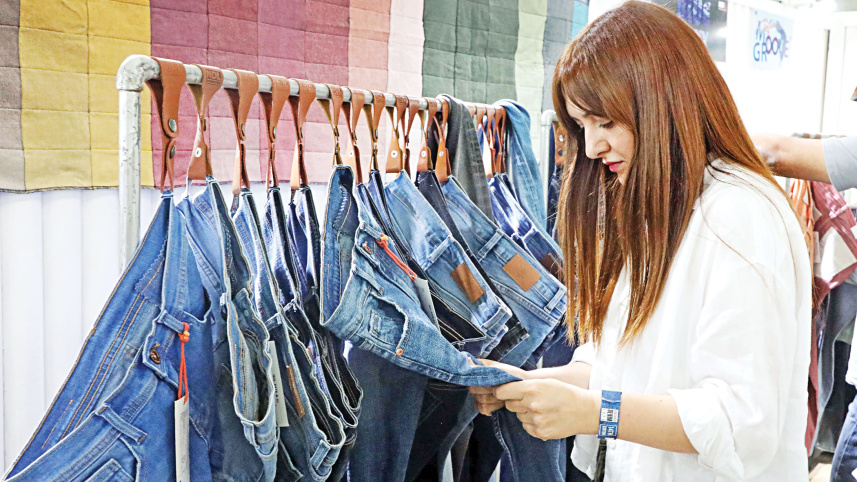
Bangladesh’s apparel exports to the United States fell 5.3 percent in the first half of 2026 as rising demand for compliance, flexibility and supply chain transparency challenged the country’s traditional low-cost advantage, according to a World Bank report released yesterday.
By contrast, imports from Vietnam, Indonesia and Cambodia grew 3.0 percent, 3.6 percent and 11.6 percent, respectively, indicating a relative erosion of Bangladesh’s competitiveness in the US market.

The World Bank, in its flagship Bangladesh Development Update, noted that overall apparel demand weakened in the US, with imports declining 7.1 percent during the period.
The US is Bangladesh’s single largest apparel market, accounting for about one-fifth of the country’s total ready-made garment exports by value
Even so, the report added that Bangladesh’s performance lagged behind key competitors.
The US is the largest single market for Bangladesh’s ready-made garment exports, accounting for about one-fifth of the country’s total apparel shipments.
Bangladesh, the world’s second-largest apparel exporter, shipped $4 billion worth of garments to the US in the January-June period of 2026, according to data from the US Office of Textiles and Apparel (OTEXA).
The World Bank report, citing the 2026 United States Fashion Industry Association Benchmarking Study, said American fashion companies are operating in an environment increasingly shaped by rising compliance requirements, geopolitical risks and a greater emphasis on supply chain resilience.
“Against this backdrop, buyers are moving away from a strategy centred on shifting production from one large sourcing hub to another and are instead pursuing broader geographic diversification,” it said.
The survey indicates that sourcing decisions are increasingly influenced not only by cost but also by flexibility, compliance capabilities, supply chain transparency and the ability to adapt to a more complex regulatory environment, the World Bank said.
“Within this changing sourcing landscape, Bangladesh remains one of the important apparel suppliers to the US market, but the survey suggests that its relative position may be facing growing challenges,” states the bank’s report.
Although Bangladesh continues to be viewed as one of the most cost-competitive sourcing destinations and remains among the most widely used sourcing bases for US buyers, its utilisation rate declined from 88 percent in 2025 to around 78 percent in 2026, it said.
Similarly, the share of respondents sourcing more than 10 percent of their apparel from Bangladesh fell from 56 percent to 47 percent, indicating a gradual reduction in sourcing concentration even among existing buyers.
“The survey also suggests that Bangladesh’s traditional low-cost advantage may no longer be sufficient to ensure continued gains in market share,” said the multilateral lender.
It also said Bangladesh received one of the highest ratings for sourcing costs, but buyers assigned relatively low scores to several factors that are becoming increasingly important in sourcing decisions, including flexibility and agility, minimum order quantities, labour and environmental compliance, and geopolitical and trade policy risks.
“In contrast, competing destinations such as Vietnam continue to outperform Bangladesh on flexibility and responsiveness, while emerging suppliers such as Guatemala, Egypt, Jordan, and Indonesia are attracting growing interest as buyers seek more geographically balanced sourcing portfolios,” the report reads.
It said Bangladesh’s apparel industry could improve its international competitiveness by strengthening compliance, transparency and integrated supply chain capabilities.
The Washington-based lender, however, said Bangladesh could continue to benefit from buyer interest in the near term.
“Looking ahead, Bangladesh is still expected to benefit from continued buyer interest, with nearly half of respondents indicating plans to increase sourcing from the country over the next two years,” the World Bank said.
“However, the broader findings imply that future growth may be more difficult to secure than in the past. US buyers appear to be moving towards a more diversified and risk-conscious sourcing model, where low costs alone are insufficient to attract additional orders.”
 For all latest news, follow The Daily Star's Google News channel.
Comments