


A little honest appreciation, please

In Bangladesh, praise is treated like public money: everyone agrees it should circulate, but nobody wants to release it. Tell a colleague he did well, and someone will demand an audit. Compliment a bridge and another citizen will ask which political party issued your membership card. We are generous with criticism, stingy with gratitude and quick to suspicion.
An industry colleague called after reading my last article and raised an uncomfortable point. Consider the Dhaka-Ashulia Elevated Expressway, Dhaka Metro Rail and Padma Bridge. Open a newspaper or social media feed, and the discussion often begins with corruption, inflated costs, delays and political credit. These concerns must be investigated. Yet we rarely acknowledge that these projects have also changed mobility, connectivity and the physical image of Bangladesh. Accountability and appreciation are not enemies. A bridge does not become useless because its accounts require investigation, nor does admiring it require us to burn the audit report.

The elected government inherited an economy weakened by years of corruption, banking disorder, inflation and policy mishandling. The BBS estimates growth fell to 2.22 percent in the January-March quarter. Problems built up over years cannot be repaired within months. The PM may not be doing everything right, or communicating effectively, but some actions deserve appreciation. These include avoiding wasteful renaming of institutions and refraining from vindictive action against political opponents.
Corporate Bangladesh is no different. During my telecom days, a German CEO introduced a “Thank You” campaign, urging colleagues to recognise one another. It went nowhere. Appreciation was seen as flattery, weakness or a threat to hierarchy, while criticism remained freely available. The campaign failed because our culture had trained us to detect faults more readily than contributions.
Unfortunately, negativity sells. A 2023 Nature Human Behaviour study tested thousands of headlines and found each additional negative word increased clicks by about 2.3 percent. In Bangladesh, the model has been perfected: add outrage, attach an unverified allegation, deploy bots and fake accounts, and assassinate a character before breakfast. Building character takes years; destroying one takes a single post and several suspiciously enthusiastic profiles created yesterday. Scholar Dr Haifaa Younis offers a powerful test: do not enjoy hearing bad news about someone, especially someone you already dislike. If their fall makes you smile, stop and pray for their forgiveness, because today it is them and tomorrow it could be us. The advice is spiritual but also deeply civic. How many practise it when the victim belongs to the “wrong” party, company or family?
Appreciation also produces measurable results. Research by Adam Grant and Francesca Gino found a manager’s gratitude made university fundraisers feel more valued and increased their effort. Gallup and Workhuman later tracked about 3,500 employees and found well-recognised workers were 45 percent less likely to leave over two years. A sincere “thank you” may be management’s cheapest tool. Appreciation does more than lift the human spirit. It builds confidence, strengthens purpose and inspires people to become more than they believed possible.
An appreciation culture can start simply. Leaders should praise specific contributions publicly and correct mistakes privately. The media should report impact alongside irregularities. Political parties should acknowledge good policies even when opponents introduce them. Schools, families and offices can make gratitude a daily habit rather than an annual ceremony.
Bangladesh does not need less scrutiny. It needs scrutiny without hatred, disagreement without dehumanisation and appreciation without blind loyalty. Before sharing the next scandal, verify it. Before attacking a person, question the motive. And when something works, say so. A nation cannot build confidence if its citizens clap only when someone falls.
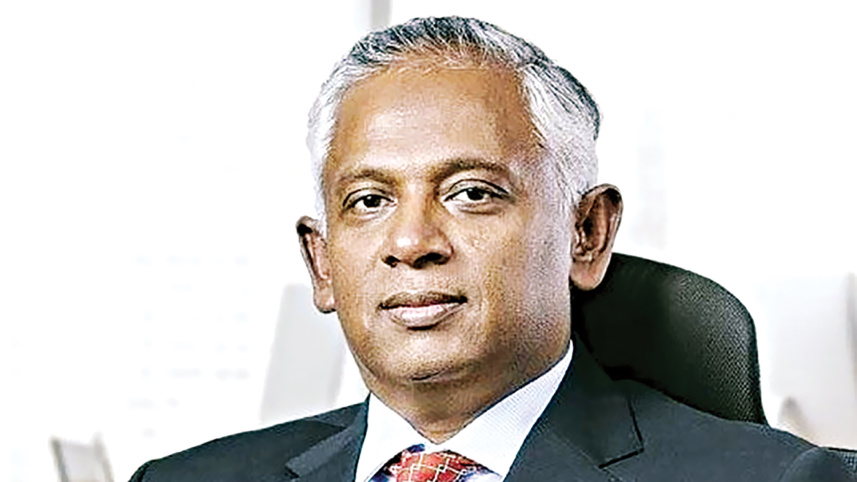
The writer is the founder of BuildCon Consultancies Ltd and BuildNation Ltd
 For all latest news, follow The Daily Star's Google News channel.
Comments