


Inflation to ease in coming months: BB
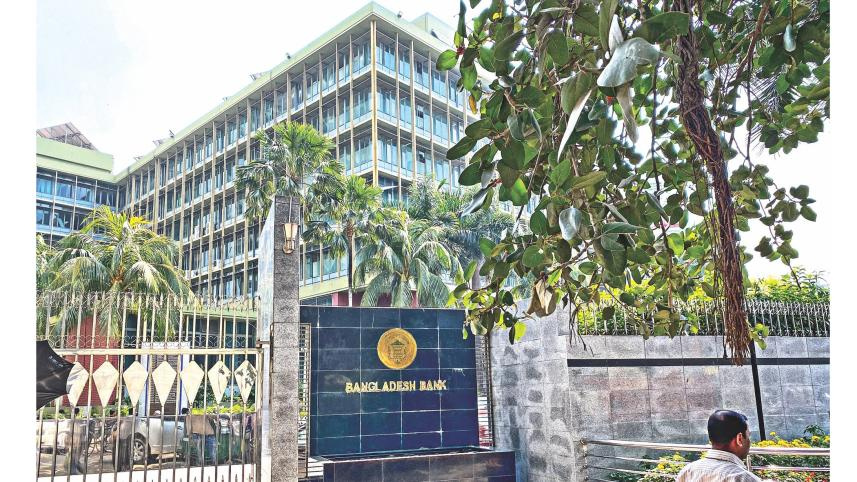
Bangladesh Bank (BB) expects inflation, which has remained high in recent years, to ease in the coming months due to strong rice and winter vegetable harvests and declining global commodity prices.
In its quarterly report for July-September 2025, published yesterday, the central bank said it, along with other government agencies, has worked hard to control inflation and support lower-income groups.

Measures such as removing Letter of Credit (LC) margin requirements for rice, onions, dates, sugar, pulses, and edible oil imports, along with Trading Corporation of Bangladesh (TCB) truck sales, are expected to reduce prices of essential goods.
Favourable Aman rice and winter vegetable production, stable exchange rates, rising foreign reserves, and easing global commodity prices are also likely to help keep inflation in check.
The central bank is expected to gradually ease its tight monetary policy once inflation consistently falls.
The report said that inflationary pressures eased in the first quarter of the current fiscal year, mainly due to ongoing monetary tightening. However, the decline has been slow, and inflation remains above the target, meaning tight policies are likely to continue in the near term.
The 12-month average headline inflation rate fell from 10.03% in June 2025 to 9.45% in September 2025.
Regarding the banking sector, the report said the country’s banks remain under strain, as a sharp deterioration in asset quality -- not seen in decades -- hit profitability and weakened capital.
However, a rebound in deposit growth improved overall liquidity, and BB’s continued support for responsible borrowers, along with banks’ stronger recovery efforts, should help curb the rise of non-performing loans (NPLs).
On the external sector, Bangladesh faced pressure in the first quarter as the current account shifted from surplus to deficit. This was driven by a larger trade deficit and higher external payment obligations, including import costs and interest on external debt.
Strong remittance inflows partly offset the pressure. On the financial account, large net inflows came from foreign direct investment and medium- and long-term borrowing, while portfolio investment remained low.
Even though the overall balance of payments was positive for the quarter, gross official reserves fell slightly, mainly due to valuation effects and lower foreign liabilities of the central bank. Nevertheless, reserve levels remained comfortable, supporting exchange rate stability under the market-based system.
 For all latest news, follow The Daily Star's Google News channel.
Comments