


Govt to discourage luxury imports
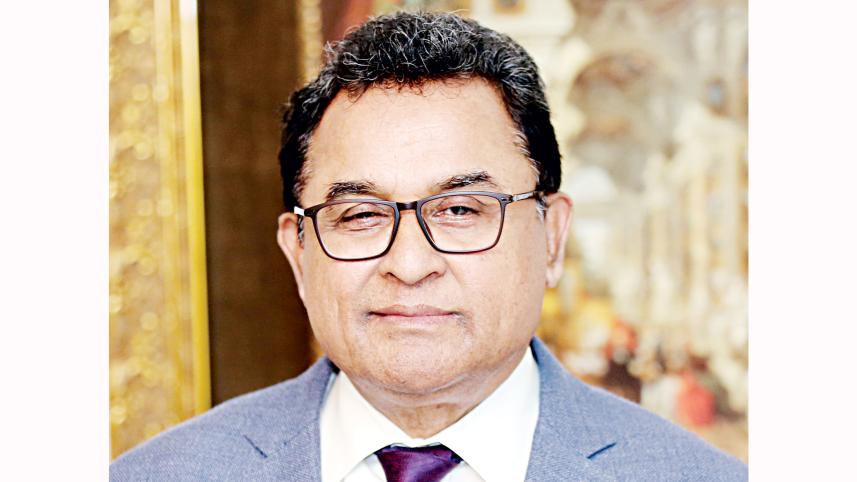
Bangladesh Bank will impose special conditions on the import of luxury items, such as high-end cosmetics, apparels and electronics, to discourage these purchases during times of global economic uncertainty, according to Finance Minister AHM Mustafa Kamal.
"Import of luxury items much be controlled," he said in response to a query over whether the government is taking any steps to address the current account deficit.

Bangladesh's current account deficit reached $12.83 billion in the first eight months of the current fiscal year while it was a surplus of $825 million during the same period the year before.
The deficit is a result of rising imports with receipts for between July and February in the ongoing fiscal year valued at $58.77 billion while it was $40 billion during the same period in FY 2020-21.
The finance minister went on to elaborate that the government will not control the import of capital items and essential commodities.
"But the import of luxury goods must be controlled," he told the media after a meeting of the cabinet committee on purchase yesterday.
While explaining further, Kamal said the import of luxury items would be allowed freely in times when there are no external vulnerabilities or risky situations in the international market.
The Finance Division and the central bank earlier recommended that the government discourage the import of luxury goods to help cope with the macroeconomic pressures arising from the Russia-Ukraine war.
It has also suggested a gradual and slight increase in the price of power, energy and fertiliser to keep government subsidies at a reasonable level.
Proposals were also made for increasing the Letter of Credit (LC) margin up to 100 per cent to discourage people from importing luxury and/or unnecessary products.
As such, Bangladesh Bank has already instructed banks to impose at least a 25 per cent margin on the opening of LCs for non-essential items.
The finance minister also said it is a good thing that Bangladesh Bank controls the country's monetary policies as it takes timely action when the country needs.
Quoting a World Bank report, Kamal said the international price of wheat rose 38 per cent while beef gained 35 per cent, chicken 55 per cent, soybean oil 37 per cent, TSP fertiliser 65 per cent and urea 135 per cent in the last one year.
"We are now importing these products at a high price and so, we have to work through a combined effort," he added.
The finance minister then informed that the next national budget would be placed in parliament on June 9.
 For all latest news, follow The Daily Star's Google News channel.
Comments