


Self-navigating ships 'by 2025'
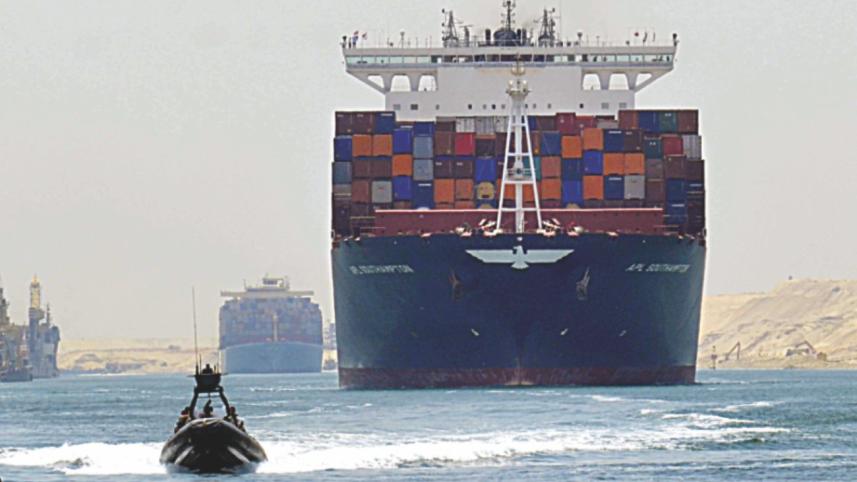
Japan's shipbuilders and maritime shippers are teaming up to make self-navigating ships a reality by 2025, hoping to lead global development on a project that should dramatically reduce accidents at sea.
Participants including shippers Mitsui OSK Lines and Nippon Yusen plan to split costs and share expertise. Developing the technology is expected to cost tens of billions of yen, or hundreds of millions of dollars, at a minimum.

The artificial-intelligence-driven steering system would use such technologies as the "internet of things" -- the linking of various devices to the net -- to instantaneously gather and analyze data about weather at sea and dangerous obstacles, as well as shipping information.
The AI would use this data to plot the most fuel-efficient, safest and shortest route, according to the Nikkei Asian Review.
The smart ships would also predict onboard malfunctions and other troubles, which would help in avoiding maritime accidents. In addition, the parties aim to implement fully unmanned shipping at some point down the road, hoping to halve the present count of roughly 2,000 maritime accidents per year.
Participating shipbuilders such as Japan Marine United will include the self-navigating system in new ship models, of which they plan to build around 250.
The collaboration between shippers and shipbuilders is intended to help Japan take the lead in developing a technology for which demand worldwide is expected to grow.
The partnership would also increase the volume of data to be gathered, potentially speeding up development.
Nippon Yusen is already researching technology that would let ships use data to assess collision risks, and Japan Marine is working on a system to diagnose breakdowns before they happen by analyzing a ship's condition, such as the status of its engines and fuel oil.
 For all latest news, follow The Daily Star's Google News channel.
Comments