


Financial constraints of a student during Ramadan
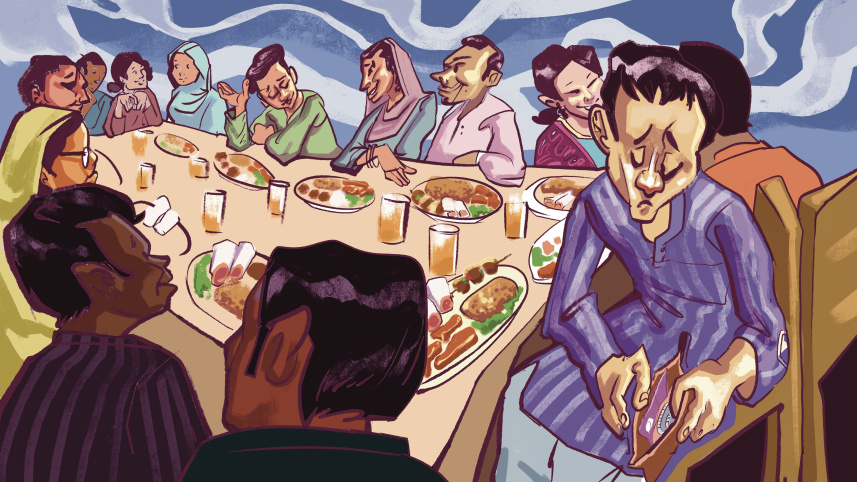
There are too many words to describe the feeling of Ramadan and yet not enough. The shared sense of community, the closeness to something deeply personal, and the warmth of spending evenings with loved ones – these are the things that come to mind first. Nights feel fuller, streets are busier, kitchens are louder, and conversations stretch further. The month carries an energy of its own, wholesome in a way that allows days to pass in patience and nights to arrive with food, laughter, and company. And yet there is one pill that can be difficult to swallow: the growing list of things to spend on and not always enough to spend with.
For many students, Ramadan comes with a series of small but constant expenses. Iftar is rarely just a simple meal anymore, and it has gradually become something social and planned. Friends organise outings, group chats fill with restaurant suggestions, and suddenly a casual evening meal turns into a reservation and another expense added to the month. There is an expectation of going out, trying somewhere new, or gathering at a place that can accommodate large groups of people after sunset.

A single outing might not seem like much, but Ramadan is a month full of invitations. One iftar with classmates, another with close friends, and another organised by a club, department, or student group. Now, with Dhaka’s increasingly busy calendar of events, not attending the many festivals and Eid shopping events can make one feel left out. Pop-up Ramadan festivals, late-night markets, and special shopping events appear throughout the city. These gatherings add to the excitement of the month, but they also come with their own costs: food stalls, small purchases, transport, and the occasional impulse purchase that seems harmless in the moment.
Saying yes feels natural because Ramadan is meant to be shared, but those evenings grow quickly in ways that are difficult to ignore when living on a student budget. One dinner becomes several, one outing turns into a weekly plan, and before long, the month carries a financial drag of its own.
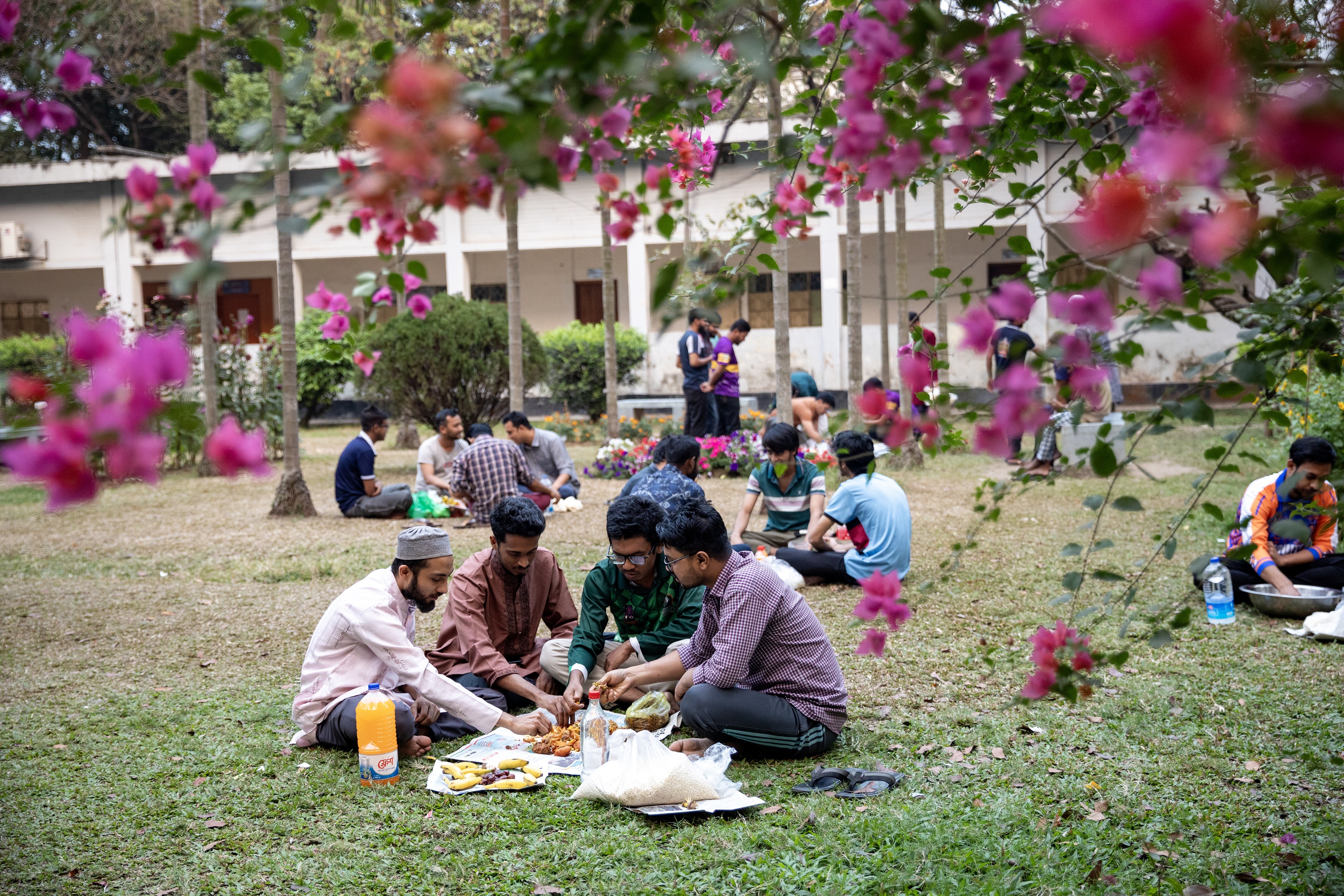
Alongside this are the expectations that appear throughout the month. Bringing desserts to someone’s house for iftar, buying sweets to share during visits with family or neighbours, and contributing something small when attending a gathering – while none of these gestures is extravagant, they are common parts of the social culture of Ramadan. Things like giving salami, buying Eid gifts for parents, and buying snacks for iftar feel like simple acts of courtesy. Over time, however, the small purchases that accompany them begin to add up.
The rising price of food only adds to this reality, especially this year, as market prices have risen to an extraordinary extent. Lime, fruits, cooking oil, and other everyday items suddenly cost more than they did the previous month. Even preparing iftar at home can become more expensive when basic ingredients increase in cost.
For students who rely on allowances, part-time work or careful budgeting, these costs can make Ramadan feel financially demanding. Participating in social gatherings, buying food for iftar and keeping up with traditions all require spending that many students have to calculate carefully. Attending these events adds to the wholeness of the month, to the feeling of being part of the shared experience that Ramadan brings. At the same time, it also adds to the awareness of a quiet mental calculator where one is constantly weighing how much something costs, how many invitations can realistically be accepted, and how far the month’s budget can stretch.
Choosing not to attend can create its own feeling of absence. Friends share photos of group iftars, late-night outings and bustling Ramadan events, and conversations revolve around where everyone met and what everyone tried. Missing those gatherings sometimes leaves behind that familiar feeling of being slightly outside the moment, the small but noticeable FOMO— fear of missing out.
Ramadan remains a month filled with community, tradition and shared experiences, but it also highlights how seasonal customs can carry financial pressure. For students in particular, the balance between participating in the social life of Ramadan and managing a limited budget becomes a practical challenge that accompanies the month each year.
Tinath Zaeba is an optimistic daydreamer, a cat mom of 5 and a student of Economics at North South University. Get in touch via tinathzaeba25@gmail.com.
 For all latest news, follow The Daily Star's Google News channel.
Comments