


'Food apartheid'
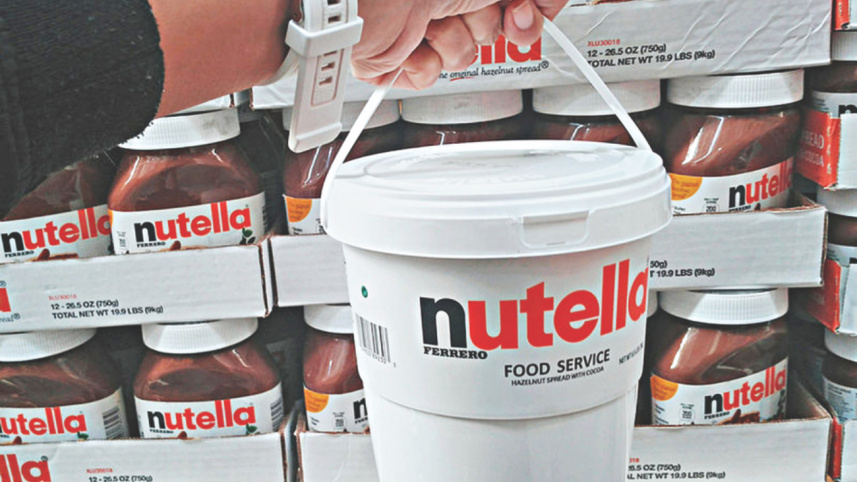
It looks like Nutella, smells like Nutella and yet doesn't quite taste like the famous Italian chocolate spread. Eastern European leaders are fuming after tests suggested that big Western brands use cheaper ingredients in food products sold in former communist countries.
While Bulgaria's burly premier Boyko Borisov has slammed the practice as "food apartheid", Czech Agriculture Minister Marian Jurecka declared in late February that the east was tired of being "Europe's garbage can".

Recent government-backed studies in Hungary, Slovakia and the Czech Republic indicated that many items sold with identical packaging were of superior quality in richer neighbouring European Union countries.
The findings prompted Bulgaria last month to carry out its own tests. A team of chemists in Sofia spent the last few weeks diligently measuring, filtering and analysing samples of popular items like butter, cheese, sausages, chocolate, baby puree and soft drinks.
On Wednesday, the national food watchdog confirmed there were discrepancies with at least seven out of 31 products bought from the same food chain stores in Bulgaria, Germany and Austria.
A chocolate dessert had less milk and cocoa than its German counterpart, for instance, although this did not have a major impact on taste, according to the national food safety agency. Soft drinks purchased in Bulgarian supermarkets contained sweeteners, while those in Austria were prepared with sugar.
"Many of these deviations are considered minor from the viewpoint of (European Union) regulations," the agency's chief Damyan Iliev told Bulgarian media on Wednesday. "But Bulgarian consumers are being misled in that they believe they are buying the same product when in fact they are not."
The experts also noted that 16 of the tested products were sold at higher prices in the EU's poorest member state than in Germany and Austria, with baby purees twice as expensive.
The firms, however, argue that recipes are merely tweaked to suit local palates and point out that the practice doesn't break any rules. Under EU directives, companies are free to change a product's ingredients from one member state to another as long as the they are clearly listed on the packaging.
But that has done little to cool boiling tempers.
While the Bulgarian tests did not mention any actual brands, Hungary's food authority in February named food giants Ferrero and Coca-Cola among the culprits.
 For all latest news, follow The Daily Star's Google News channel.
Comments