A Ramzan favourite: Why the humble haleem demands patience in the age of fast food

A pot of haleem -- a beloved Ramzan staple across South Asia -- has found an unexpected moment in the Western media spotlight, making the rounds on Instagram and TikTok feeds.
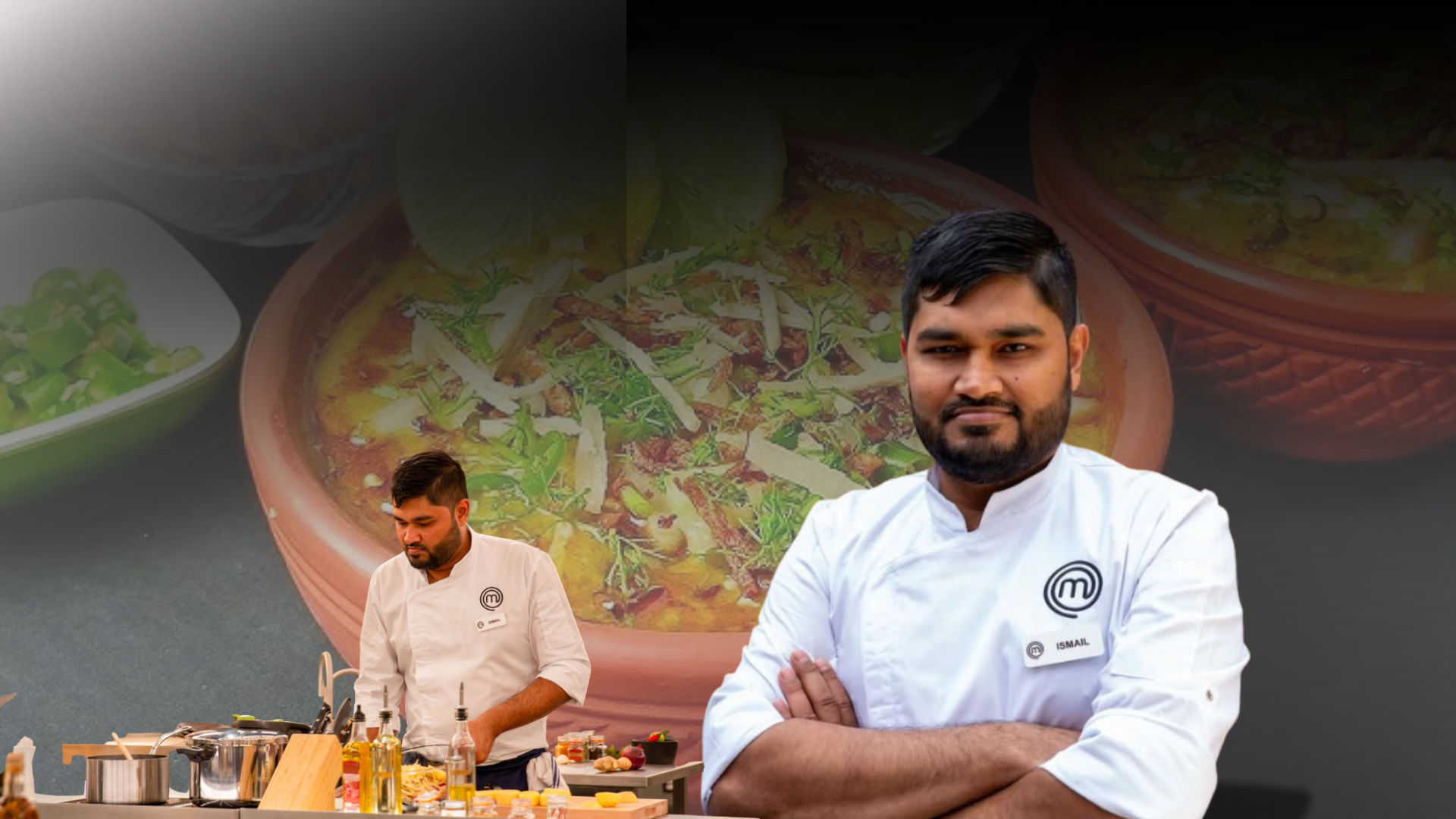
The buzz follows an impressive performance by Ismail, a 33-year-old chef originally from Rajshahi, Bangladesh, now living in West London with his wife Sarah and their young daughter. On “MasterChef: The Professionals 2026”, Ismail wowed the judges with his take on the humble haleem.

His dish was neither a flamboyant modern contrivance nor an attempt to pander to the European palate. Instead, he presented haleem as we know it -- the slow-cooked, gorgeously spiced dish made of wheat, lentils, barley and tender meat that has nourished generations across South Asia and the Middle East.
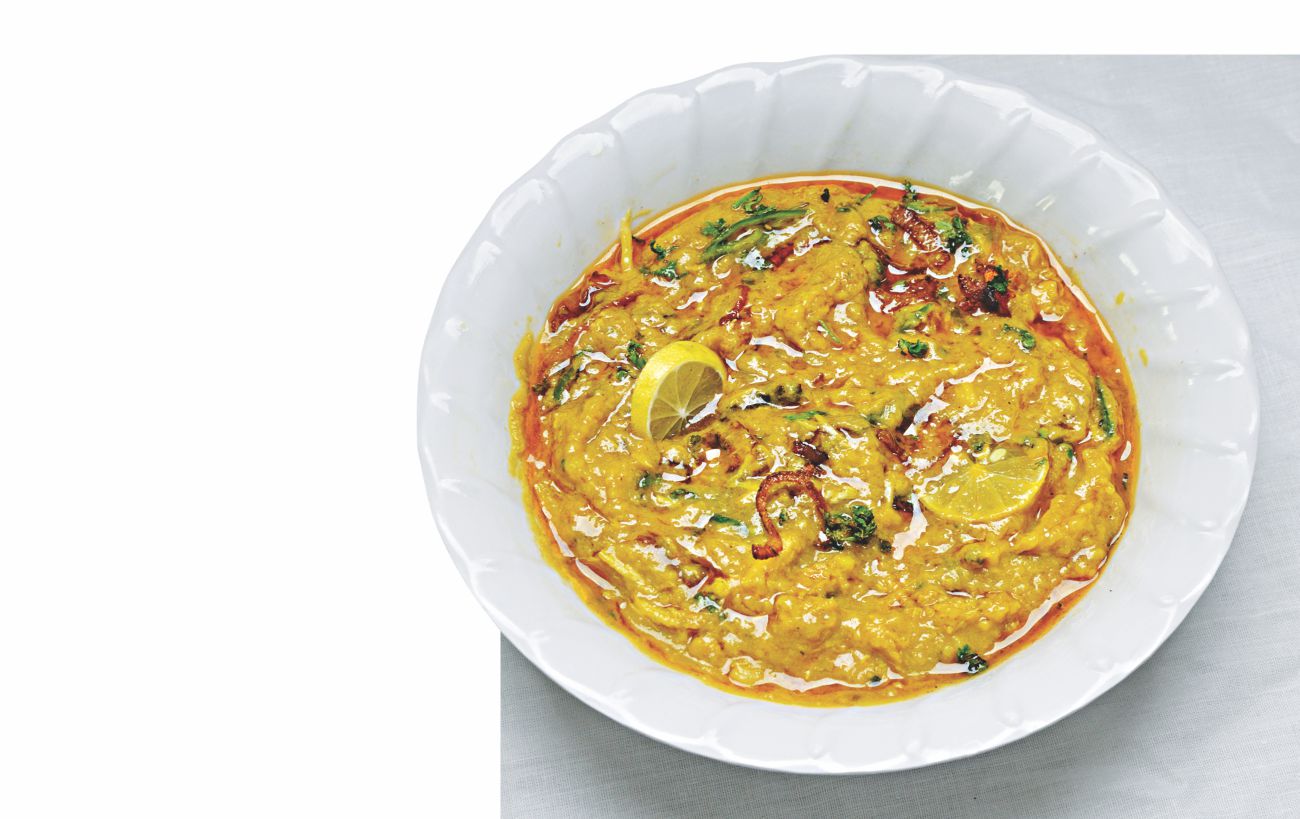
The judges were impressed. Ismail advanced to the semi-finals. Yet the true marvel lies not merely in the television triumph but in the dish itself.
The essence of haleem lies in endurance. During Ramzan, across South Asia, amid the convivial abundance, it is the only food item that arrives with an almost ceremonial gravity.
Dense yet velvety, austere in its origins yet indulgent in its execution, haleem is less a dish than a culinary chronicle.
For millions from Bangladesh, Pakistan, and India, haleem is synonymous with the holy month itself.
A Ramzan ritual
Nowhere does haleem flourish more gloriously than during Ramzan.
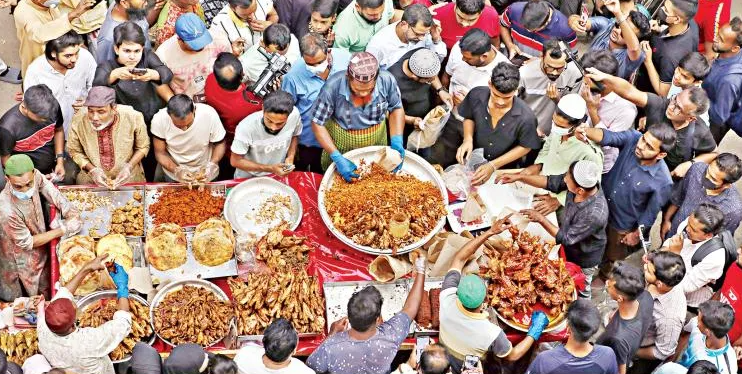
In cities such as Dhaka, Hyderabad, and Karachi, queues form outside famous haleem shops long before sunset. Families gather with bowls ready, awaiting the moment of iftar.
Its popularity during Ramzan is not accidental. The dish’s nutritional disposition is remarkably well-suited to the fasting body.
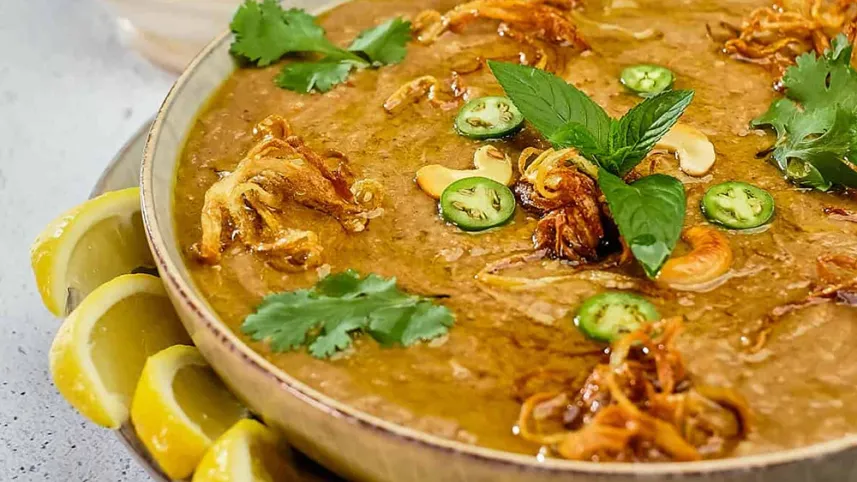
The stew is filling yet gentle on the stomach, delivering sustained energy rather than a fleeting burst. In culinary terms, haleem is the ultimate comfort food. In physiological terms, it is balanced replenishment.
Haleem stands as a culinary rebuke to impatience in an era obsessed with speed and spectacle. Its preparation demands time, labour and attention -- often a community effort or family activity because it requires a long, arduous process.
Steeped in centuries
The history of haleem stretches far beyond the subcontinent; its ancestral roots lie in the Middle East, particularly in an ancient dish known as harees, a hearty wheat-and-meat porridge that nourished soldiers and travellers across the Arab world for centuries.
Arab traders and soldiers carried the recipe eastward during the medieval era, introducing it to the Mughal courts of India. There, it encountered a cuisine already enamoured with aromatic spices, slow cooking and lavish textures. The result was an evolution both subtle and transformative.
The austere harees gradually acquired lentils, ghee, fragrant spices and carefully shredded meat. The stew thickened. The flavours deepened. The name itself softened into haleem, and the dish began to assume a distinctive South Asian identity.
Over generations, cities across the region refined it further and localised it according to taste.
 For all latest news, follow The Daily Star's Google News channel.
 Hyderabad’s version grew famously luxurious, Karachi’s became exuberantly spiced, while Dhaka’s interpretation embraced a comforting earthiness. Each bowl retained the essential formula yet bore the unmistakable accent of its locality.
Thus, haleem became not merely an imported dish but a culinary palimpsest -- a layered testament to centuries of cultural exchange.
Slow art of savouring
Haleem is not a dish that tolerates haste. It demands patience bordering on devotion.
It simmers for hours in large copper or iron cauldrons, stirred continuously with long wooden paddles. Grains soften, the lentils surrender, and the meat collapses into silken strands. Spice and fat weave themselves into the mixture until the stew becomes a single harmonious substance.
The result is a texture both hearty and luxurious -- neither stew nor porridge, but something intriguingly between the two -- heavy yet smooth, rustic yet refined.
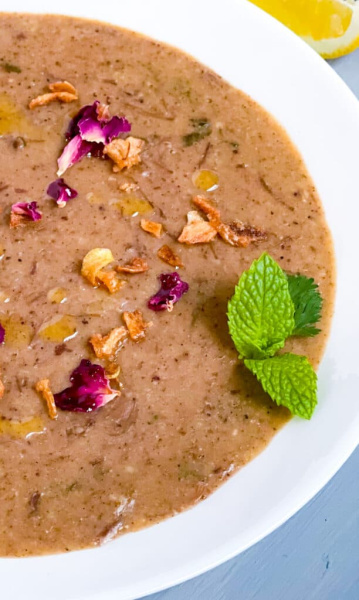
Each spoonful carries the mellow sweetness of grains, the richness of meat and the aromatic warmth of spices.
The final flourish arrives in the garnishes. Crisp fried onions, julienned ginger, chopped coriander, green chillies, and a drizzle of lime juice complete the dish, or, when being opulent than usual, boiled eggs. What emerges is a consonance of textures -- creamy, crisp, tangy and aromatic in harmonious mélange.
A bowl of belonging
One of haleem’s most charming paradoxes lies in its democratic reach.
It thrives equally in glittering restaurants and humble roadside stalls.
At ritzy eateries, it may arrive crowned with saffron threads, tender cuts of lamb and lavish quantities of ghee, priced with unapologetic extravagance. A few streets away, a vendor ladles a simpler version from a battered pot -- its ingredients modest but its aroma equally compelling.
Both bowls carry the same essential comfort.
Indeed, this elasticity explains haleem’s enduring popularity. It adapts effortlessly to circumstance -- sumptuous or spare, festive or everyday, ceremonial or streetwise.
The sight, smell and taste strike chords of both individual nostalgia and community memory.
A culinary plenipotentiary
In presenting haleem on an international culinary stage, chef Ismail was not merely serving a dish. He was presenting centuries of heritage simmered into a single bowl.
For the judges, it was a revelation. For millions in South Asia, it is resonance.
Ultimately, haleem’s enduring charm lies not only in flavour or nutrition but in symbolism.
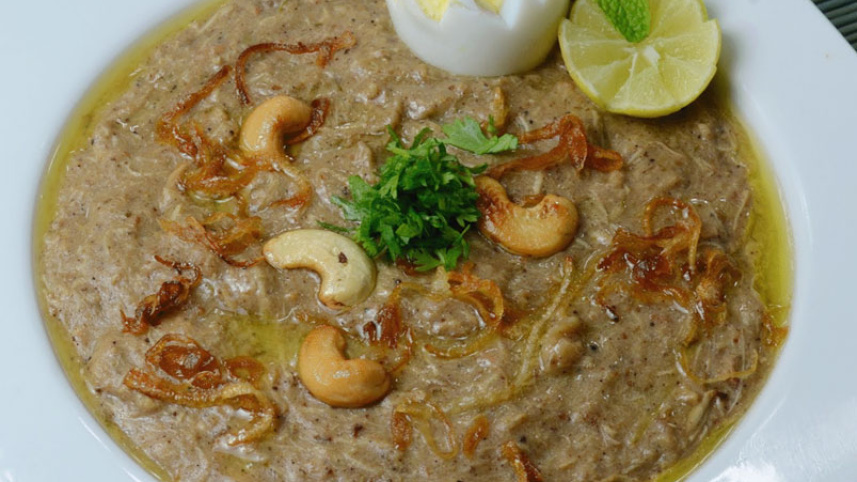
Haleem is a dish that demands patience -- much like the discipline of fasting itself. It is cooked slowly, shared generously and savoured in moments of relief and gratitude as the fast is broken at sunset.
Each spoonful carries the quiet story of Ramzan: restraint giving way to nourishment, and hunger giving way to fellowship.
In that sense, few dishes capture the spirit of Ramzan quite like haleem.

Trends / The story behind Zaineen Karim’s crimson Fondazione Prada look

Six modern safety habits every parent needs today

Perspective / The real reason Dhaka’s women-only buses are running empty

Why lightweight printed sarees are the ultimate everyday wear

Opinion / Can fluency in English be a measure of intelligence?
Dhaka’s office lunch: What are we actually eating?

Cooking with sugarcane

Anime / Grief and loss in Grave of the Fireflies

Hacker group claims to have hijacked rival gang's website