


When design meets nature
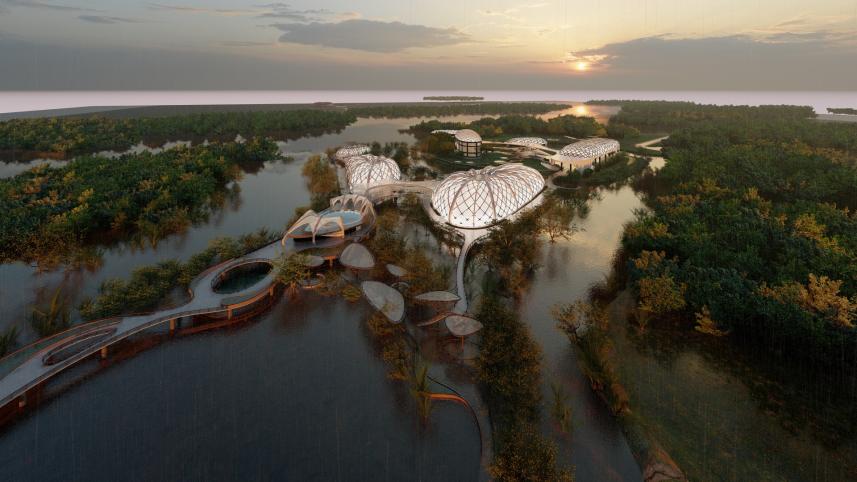
When the notification first flashed across her screen, Saraf Nawer froze. It didn’t feel real. She read the message again and again, checking the sender and the message to ensure she hadn’t misunderstood. The news was overwhelming: Saraf had won in the Architecture category at the prestigious 9th Annual Inspireli Awards 2024 for her project on "Tale of an Ocean: Oceanarium Complex at Sonadia". "I was completely shocked," Saraf recalls. "Winning was far beyond anything I had imagined at that moment."

Blend of Shape and Nature
The project that captivated the international jury was set on the ecologically fragile Sonadia Island. It wasn’t just a building; it was an intricate system designed to revive the environment rather than dominate it.
Martin Dudasko, one of the jury members, described the entry as, "An explosion of great ideas and wonderfully executed shapes well mixed together into a magnificent piece of architecture." He noted, "It is so well conceived and convincing that it’s hard to imagine anything more appropriate for this unique location. The way the proposed buildings blend with their surroundings is just flawless."
For Saraf, this praise was a confirmation of her rigorous, research-driven process. "I believe what resonated most with the jury was the level of sensitivity and care embedded in every part of the project," she explains. Her goal was to create a structure that felt like an integrated part of the ecosystem, balancing strong conceptual thinking with ecological responsibility.
The Challenge of Sonadia
Saraf’s winning proposal addresses a critical question: In an era of rapid environmental change, how do we build in vulnerable ecosystems?
"More clients and developers are recognising that sustainable approaches aren’t just idealistic—they are necessary. My advice to the next generation of architects is simple yet profound. Always give your highest effort and sensitivity to your projects. Don’t be afraid to experiment."
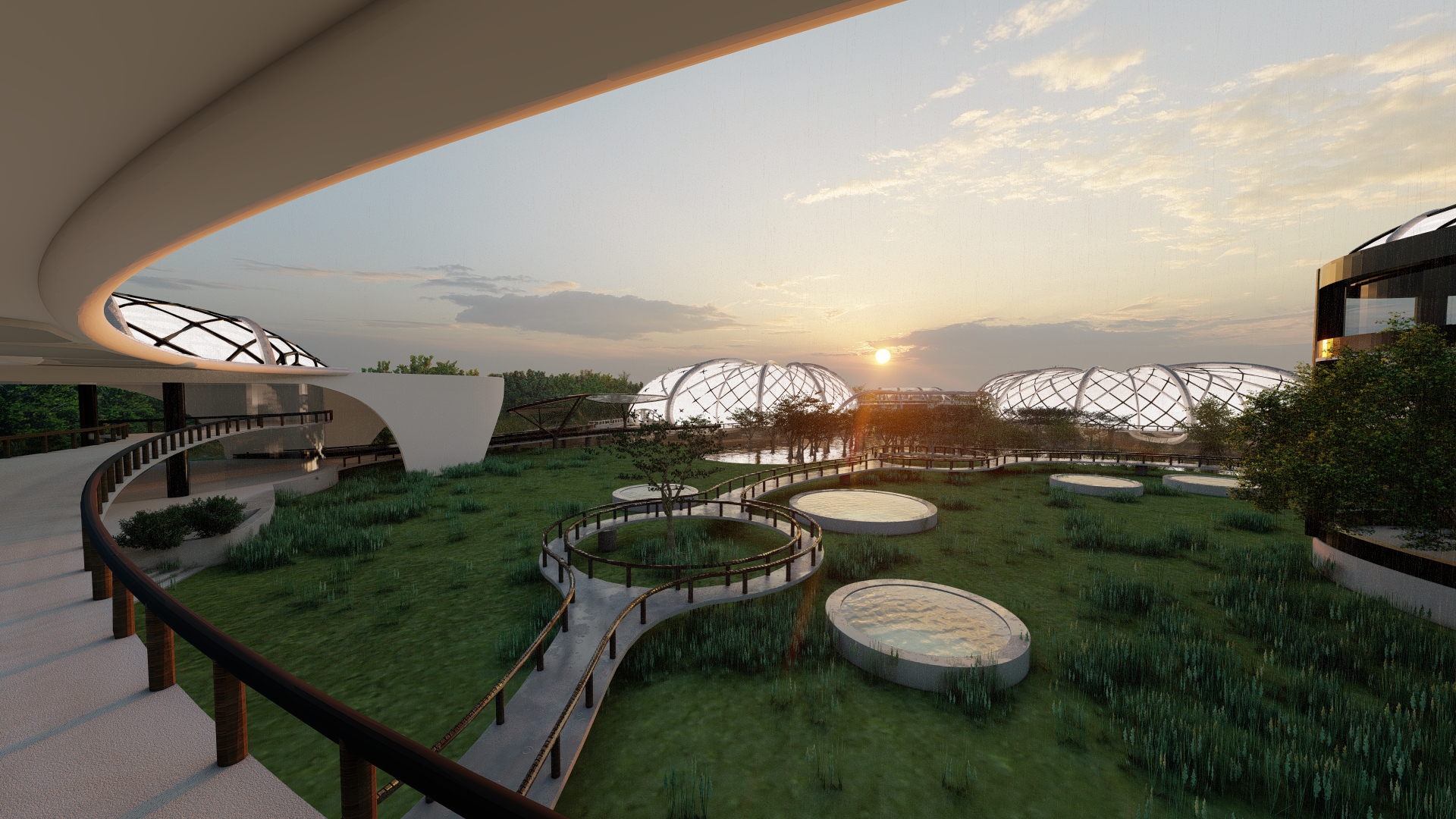
Sonadia Island, is rich in biodiversity, and it has frequent exposure to cyclones and rising salinity. Saraf designed a complex featuring three aquarium facilities, a museum, a research block, an admin hub, and a cafeteria. However, the real challenge was ensuring these functions did not disrupt the land. "I wanted to explore how a building can support, revive, and coexist with nature rather than being superimposed in it," she says.
To achieve this, she introduced desalination pods and elevated structural systems to minimise ground impact. She utilised wind-flow simulations to position buildings where they would endure the least pressure during storms and selected materials specifically for their resilience to salinity. Every decision, from the massing of the structures to the circulation paths, was dictated by the island's natural water cycles and daily inundations.
Overcoming the Odds
The road to international recognition was not without hurdles. Designing a specialised facility like an aquarium requires technical knowledge that is rarely covered in standard undergraduate curricula. "Finding proper study resources was one of the biggest challenges," Saraf admits. "At times, I genuinely felt lost."
Without easy access to expert mentorship in aquarium design, she had to rely on relentless research, filling the gaps in her knowledge step by step. She credits her mentors and teachers at MIST for guiding her through the fog, helping her identify critical focus areas.
Saraf is currently working at Cubeinside Design Ltd., following a tenure at ARC Architectural Consultants, Saraf sees a shift in the architectural landscape of Bangladesh. She believes that the industry is slowly moving away from purely aesthetic concerns toward necessary sustainability.
 For all latest news, follow The Daily Star's Google News channel.
Comments