


7 houseplants that will help you breathe better


It feels like a never-ending battle between you, your duster, and the tabletop you just cleaned yesterday. I used to dust once or twice a week, which was usually enough to keep the place fresh, but lately, the dust seems to settle everywhere, all the time. Even after doubling my routine to four days a week, it still isn't enough. And daily dusting is a chore I simply refuse to add to my to-do list. After breathing polluted city air all day, I want my home to be a sanctuary, not another source of stress. While an air purifier is an easy fix, I’m reluctant to add yet another gadget to an already tech-heavy lifestyle. Instead, what could be better than letting nature do the work? Beyond just looking pretty, botanical experts say certain houseplants act as living filters. They physically trap dust particles before they can settle on your furniture, while simultaneously scrubbing the air of invisible chemical toxins.
Here are the best plants to help you breathe deeper and clean less.

The Rubber Plant
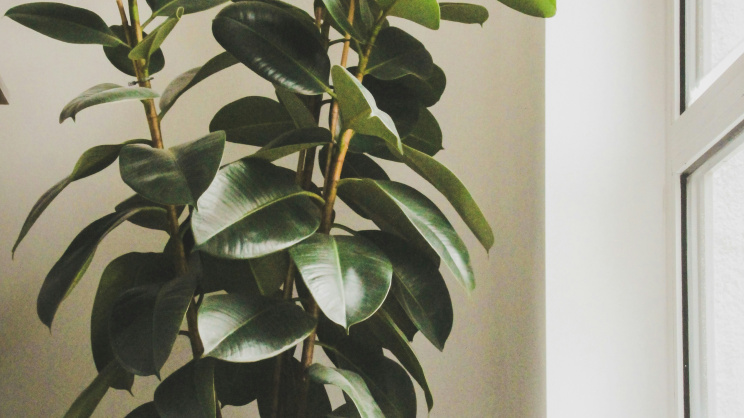
The Rubber Plant is the ultimate "surface-area hero." Its massive, thick, and waxy leaves provide a huge landing pad for airborne dust. The slightly grippy texture of the leaves ensures that once dust lands, it stays there rather than blowing back into the room. It is specifically rated by NASA for its ability to remove formaldehyde from indoor air.
Snake Plant
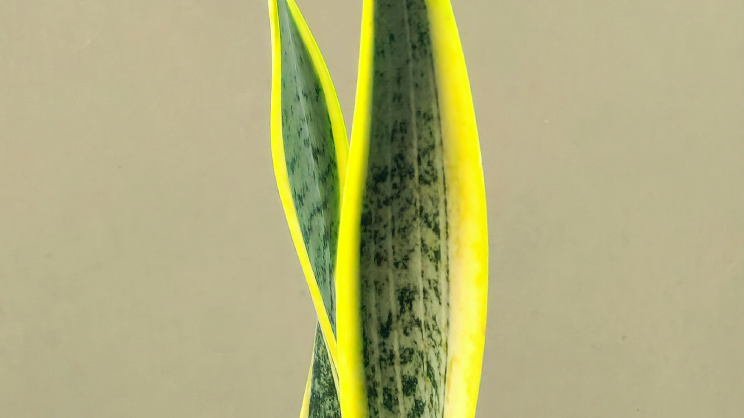
This is a must-have for bedrooms. Its tall, vertical blades act like a "dust fence," catching particles as air circulates around the room. Another point to this plant because while most plants stop producing oxygen at night, but they keep going. It also filters out trichloroethylene (found in cleaners) and xylene.
Spider Plant
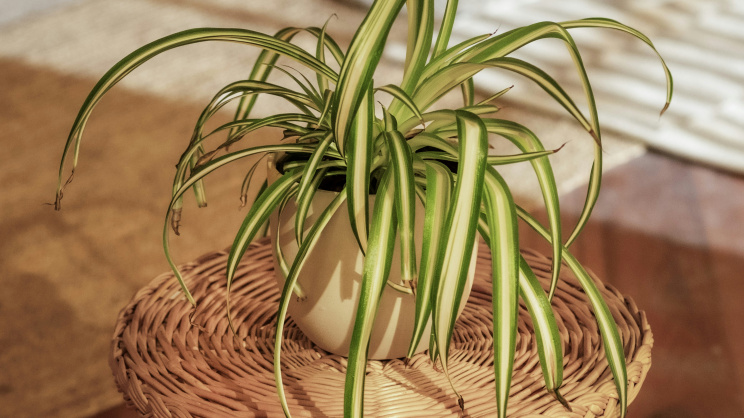
The Spider Plant is perfect for kitchens or laundry rooms. The dense foliage creates a net-like effect that captures fine particles. Within just 24 hours, a Spider plant can remove up to 95% of toxic agents from the air around it, specifically targeting carbon monoxide.
English Ivy
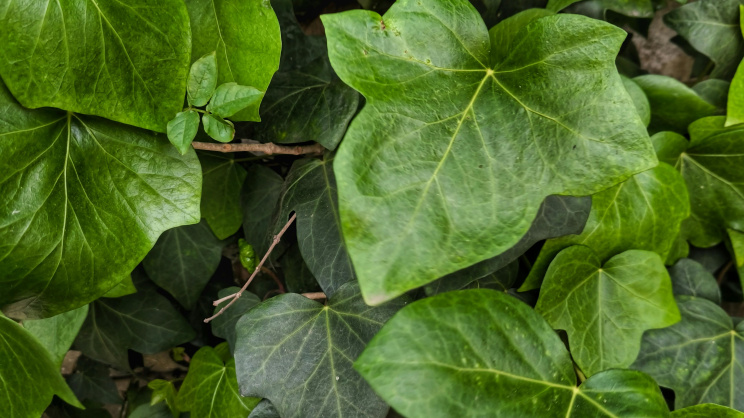
English Ivy works from the top down to keep your air clear. By hanging it high, it intercepts dust particles as they rise with warm air currents. Studies have shown that English Ivy is remarkably effective at reducing airborne fecal particles and mould, making it the perfect purifier for homes with pets.
The Secret to Keeping Them Effective: 1. Every two weeks, use a damp microfiber cloth to wipe the leaves of these plants. 2. For plants like the Boston Fern or Spider Plant, take them to the sink or shower and give them a lukewarm rinse.
Boston Fern
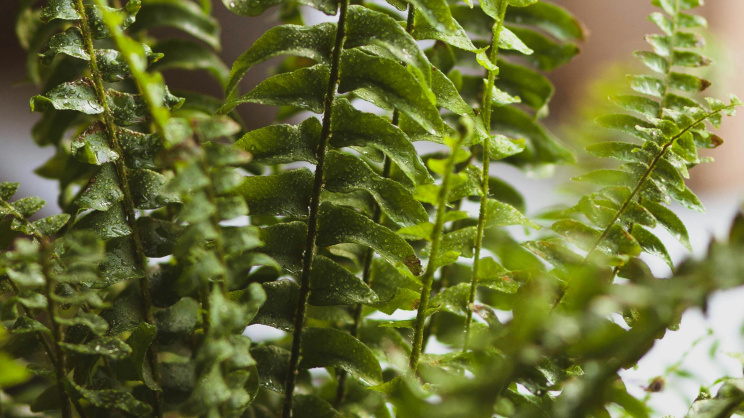
The Boston Fern acts as a natural humidifier. Dust thrives in dry air. By pumping moisture back into the room, the Boston Fern makes the environment less "dust-friendly." It is widely considered the best plant for removing formaldehyde, which is often found in the glues of flat-pack furniture and carpets.
Aloe Vera
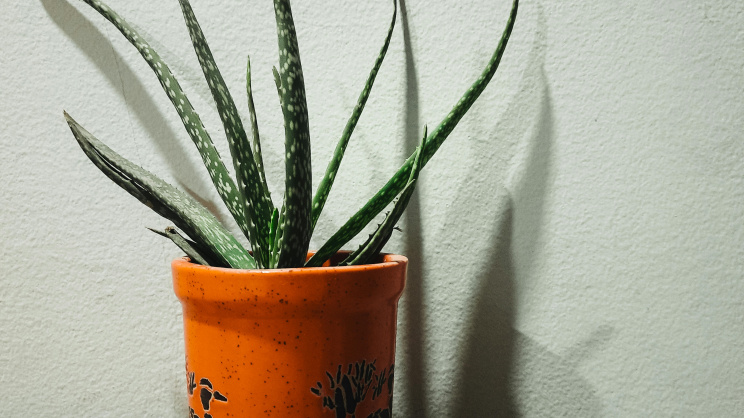
Most people keep it for burns, but Aloe is a silent sentinel for your air quality. Its fleshy leaves trap dust efficiently, keeping it off your windowsills. Aloe Vera is like a living air quality monitor. If the air becomes excessively polluted with chemicals like benzene, the leaves will develop brown spots, signaling that it’s time to open a window or check your cleaning products.
 For all latest news, follow The Daily Star's Google News channel.
Comments