


Small transactions building big trust
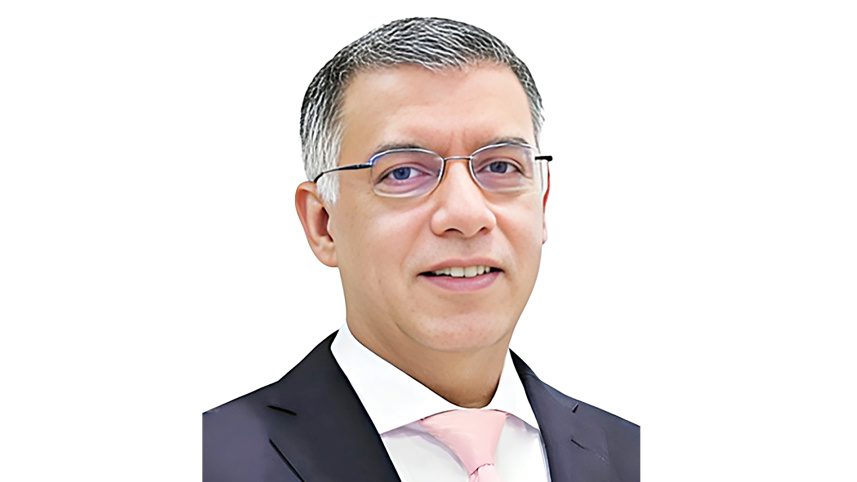
Osman Ershad Faiz
Managing Director
Dhaka Bank PLC.

Dhaka Bank views Bangla QR as a low cost acquisition channel and a natural front door into formal banking for merchants. It allows us to offer credit through data driven, automated underwriting, ensuring the development of the wider society.
Bangla QR serves as a practical bridge between traditional cash transactions and formal credit. Osman Ershad Faiz, Managing Director and CEO of Dhaka Bank PLC, discusses how a unified payment infrastructure removes friction from daily commerce and creates the data trails necessary to extend formal banking to underserved merchants nationwide.
The Daily Star (TDS): How do you perceive the role of Bangla QR in driving Bangladesh’s transition toward a cashless society?
Osman Ershad Faiz (OEF): Bangla QR is one of the most practical financial inclusion tools available today. It does not ask a tea stall owner or neighborhood grocer to change how they run their business; it simply removes friction from transactions they were already performing in cash. For a bank like ours, this infrastructure acts as a vital bridge for growth. Every QR transaction generates a visible data trail that can eventually help us extend credit to merchants who have never had a formal credit history, bringing them into the formal banking fold.
TDS: How are banks, MFS providers, and fintech companies collaborating to ensure seamless, cross-platform transactions for the end consumer?
OEF: Our approach centers on partnership in distribution and competition in credit. MFS providers and fintechs excel at managing customer experience and handling high-frequency, low-value transactions, while banks bring balance sheet strength and robust credit assessment capabilities. Interoperability through the NPSB has meaningfully improved connectivity between platforms. Bangla QR builds on this foundation, letting customers use one universal code regardless of which bank or mobile wallet they prefer.
TDS: How can we make Bangla QR a natural, daily habit for everyday retail transactions?
OEF: Habits change when the digital option is faster and safer than the physical alternative. Cash carries hidden costs for merchants and customers alike, including counterfeit risk, theft, and time lost counting change. Our goal is to make digital payments so seamless that users never think twice about security or speed during retail purchases.
TDS: What further policy support, tax incentives, or infrastructure developments are needed to accelerate the countrywide rollout?
OEF: Full interoperability across all mobile financial services remains the single most important enabler. Beyond that, we need standardized alternative data-sharing frameworks so banks can use transaction history for automated credit decisions. Continued central bank support in keeping merchant discount rates low is also essential, giving small vendors real incentive to shift from cash to a transparent, digital-first model that supports long-term financial stability across the rural landscape.
 For all latest news, follow The Daily Star's Google News channel.
Comments