


Gambling with the last glory of Bengal


While we have failed to protect most of our forests in Bangladesh for complex reasons, Sundarbans firmly stands in the south with all its glory. The largest mangrove of the world protects us from natural disasters, provides food for millions of people and shelter for non-human residents of Bangladesh.


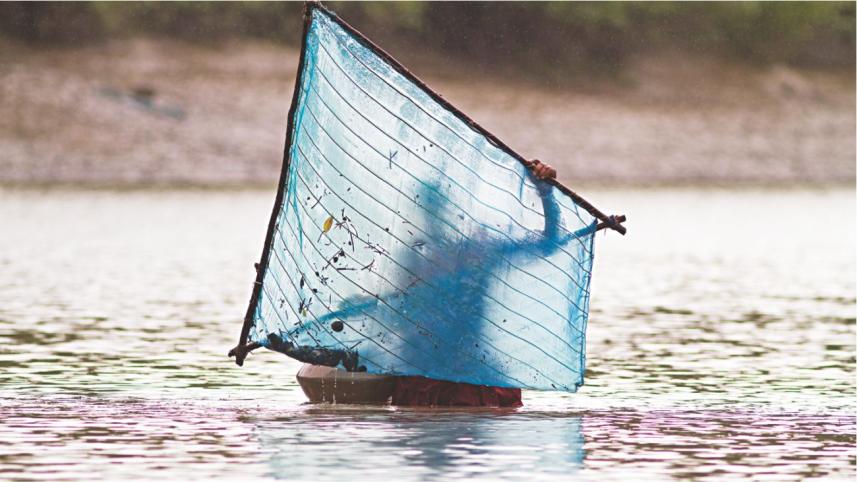
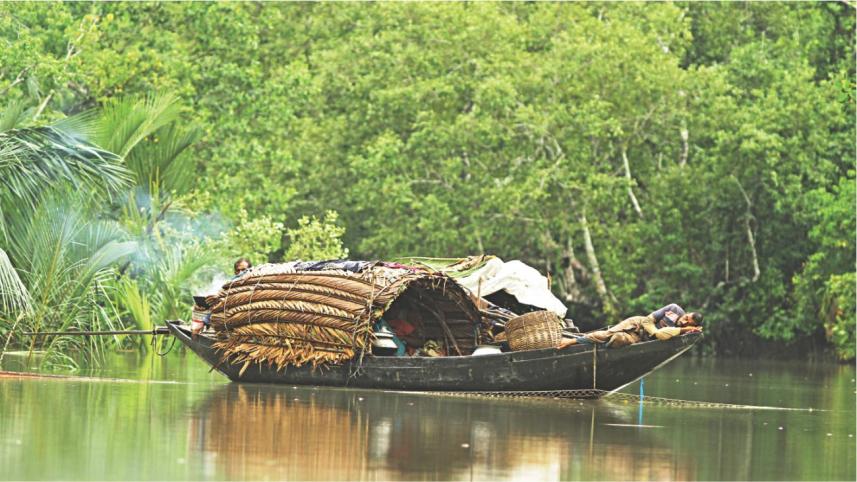
In this age of declining fisheries, people living around the forest still come home with a bucket full of fish, the river and creeks of the mangroves are so productive that our small businesses could export fish and crab products abroad. The honey collectors still walk through the forest for their livelihood, an occupation that is spiritually connected to the mangroves.
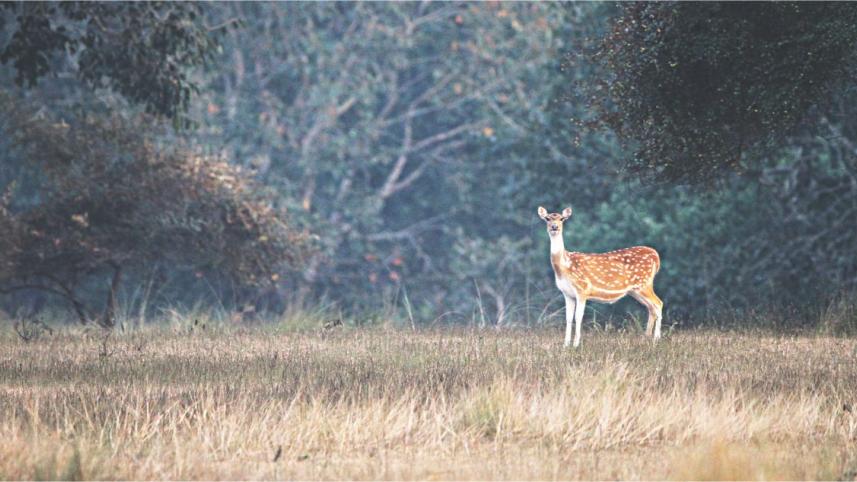
We can probably measure the economic and tangible values of the forest but the intangible values, the cultural connection of the local community, the nature-oriented connection with the tourists, researchers, nature-watchers and photographers are incalculable.

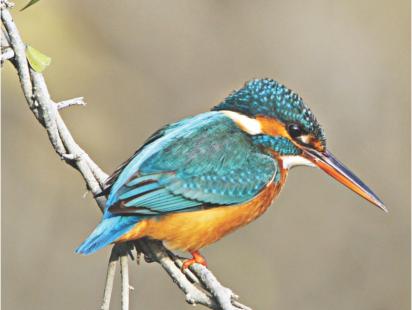
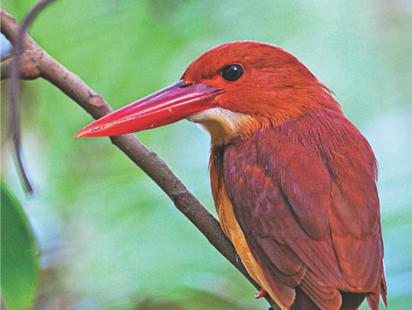
The vast tract of mangrove is not only the last stronghold of the Bengal Tigers but also for hundreds of other globally important species that occur nowhere else in Bangladesh. The Sundarbans supports around 50 species of mammals, 300 species of birds, 50 species of reptiles, 10 species of amphibians, 23 species of butterflies and 400 species of fish.
I wonder if the decision-makers, who are constructing a coal-fired power plant near the forest have ever been to the Sundarbans, deep enough to meet the real inhabitants. I wonder with what heart they are taking a chance with a place so precious for our people, for our country and arrogantly going ahead with the development that may destroy the balance between people and nature forever.

 For all latest news, follow The Daily Star's Google News channel.
Comments