


The business of winning

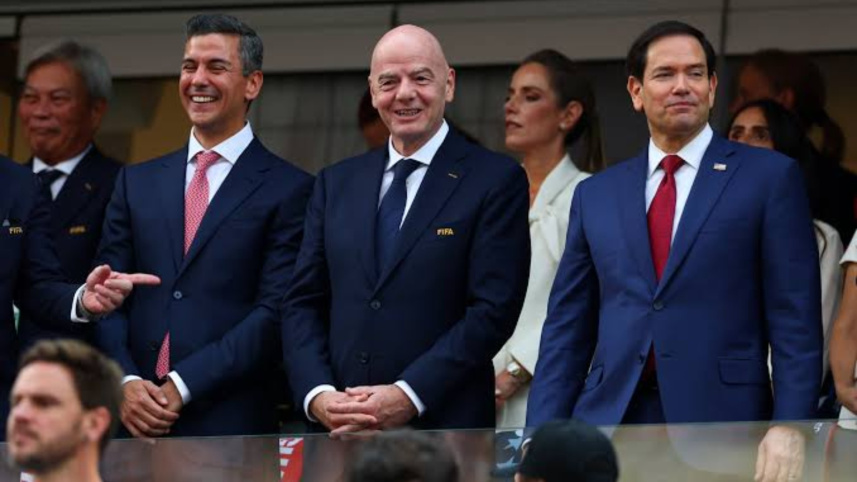
Sport thrives on uncertainty. Fans cherish the underdogs who topple heavyweights, creating moments that define tournaments and leave a lasting impression on spectators. But while those upsets are priceless for supporters, they can be painfully expensive for those who stage them.
The 2007 ICC Cricket World Cup remains the clearest example.

Within the first 10 days of the 45-day tournament, India and Pakistan -- cricket's two biggest markets -- had both been eliminated. India lost to Bangladesh and Sri Lanka, Pakistan to Ireland and the West Indies, and the much-anticipated India-Pakistan clash, expected to be the tournament's biggest commercial draw, never happened.
The financial fallout was massive. Television ratings slumped, advertisers lost the audience they had paid for, ticket resale values fell and hotels across the Caribbean cut prices as travelling supporters headed home. Industry estimates put the combined losses to broadcasters, sponsors and the hospitality sector at more than 100 million dollars.
The ICC responded by redesigning its tournaments. India and Pakistan were regularly placed in the same group to guarantee at least one meeting, while formats were revised to reduce the chances of heavyweight teams disappearing after only a handful of matches. It was not about influencing results but protecting the tournament's commercial value.
Cricket learned that lesson nearly two decades ago. The FIFA World Cup, the world's richest sporting event, faces the same commercial reality on a much larger scale.
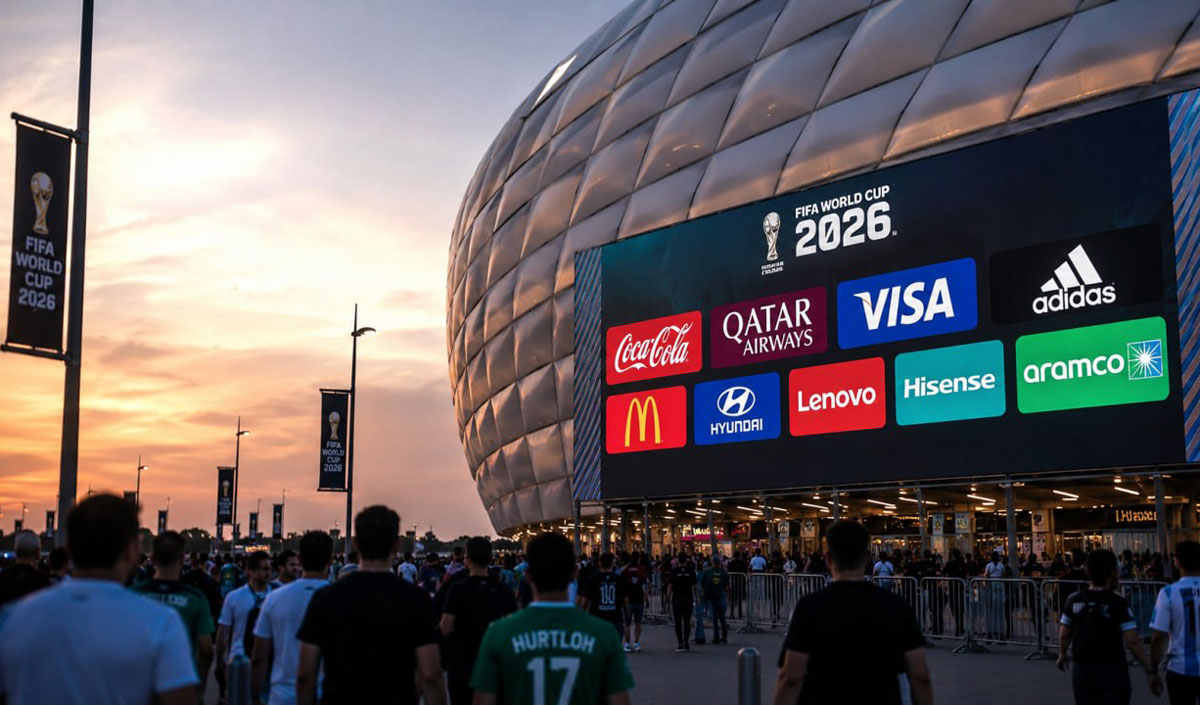
FIFA is expected to generate around 13 billion dollars during the 2023-26 commercial cycle, nearly double the previous four-year period. Around 80 percent of that revenue is projected to come from the World Cup 2026 through broadcasting rights, sponsorships and commercial partnerships.
An early exit for one of the tournament's biggest attractions may not dent FIFA's revenue directly, but it can significantly reduce the value sponsors and broadcasters derive from their investment.
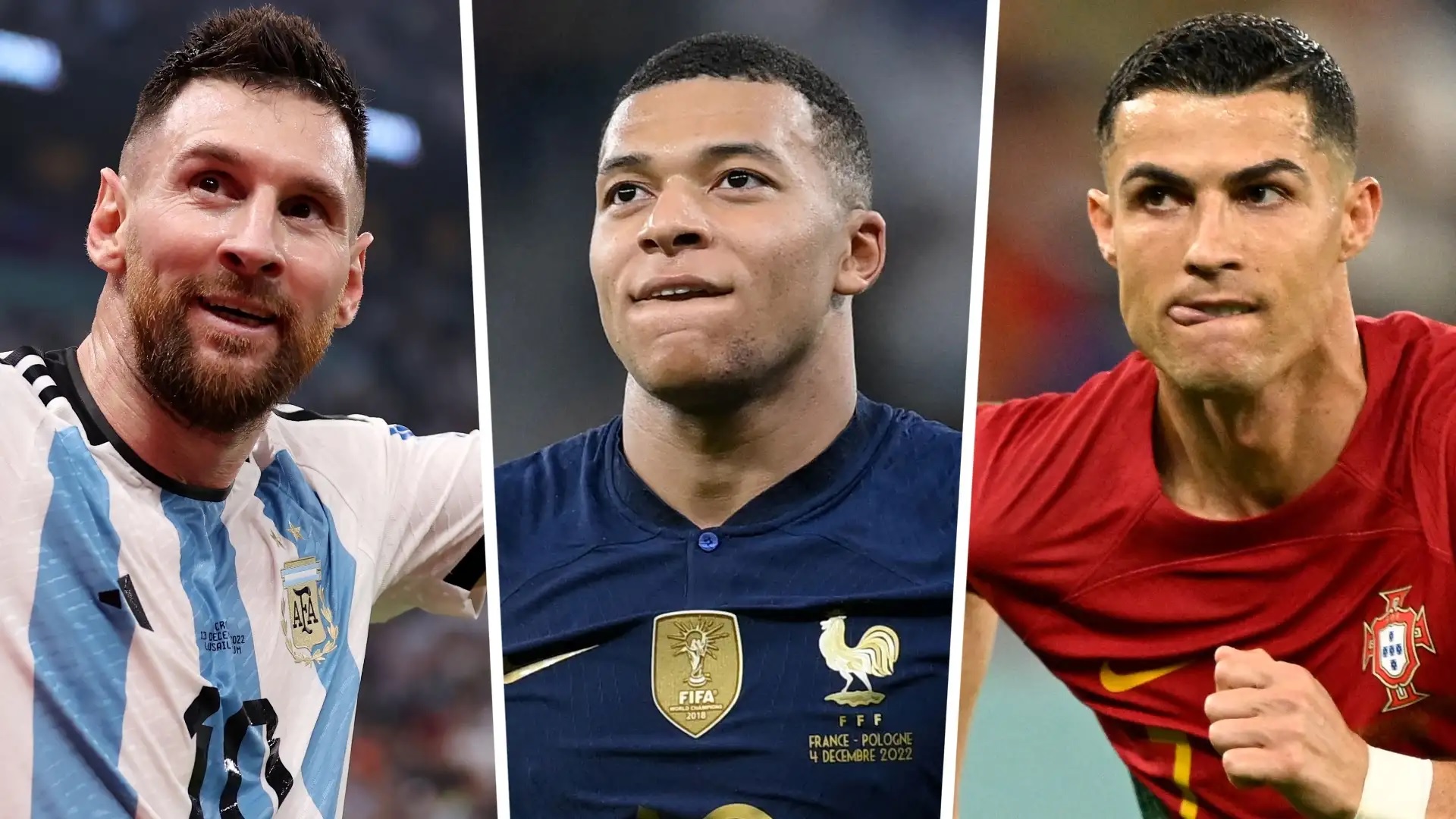
Those investments are driven as much by football's biggest stars as by the sport itself. The likes of Lionel Messi, Cristiano Ronaldo, Kylian Mbappe and Harry Kane attract the largest television audiences and digital engagement, making them invaluable to broadcasters and sponsors. Ronaldo has more than a billion followers across social media, while Messi has well over 600 million.
For broadcasters, the equation is simple: the longer the biggest teams and biggest stars remain in the tournament, the larger the audiences they can sell to advertisers.
The commercial impact of losing one of those stars was evident following Portugal's elimination. Forbes reported that resale prices for the Spain-Belgium quarterfinal at SoFi Stadium in Los Angeles -- where Portugal were no longer in contention -- fell from about 2,950 dollars to nearly 1,200 dollars within hours.
Ticket sales, however, represent only a small part of the equation. The bigger financial stakes lie in television audiences, sponsorship activation and global engagement, all of which are driven by the presence of football's biggest teams and stars.
Those commercial realities have increasingly shaped how major tournaments are organised. For much of the 20th century, the World Cup often served political interests. As broadcasting rights and sponsorship revenues exploded over the last four decades, however, commercial considerations became an equally powerful force in FIFA's decision-making.
That helps explain FIFA's decision to revise the 2026 knockout bracket. Under the system introduced last November, the top four seeds could not meet before the semifinals if they topped their groups. Officially, it rewarded higher-ranked teams. Commercially, it also increased the likelihood of marquee knockout ties featuring football's biggest names.
The financial stakes also help explain why contentious decisions involving elite players, either from big teams or those from the host countries, attract such intense scrutiny. The disciplinary case involving US striker Folarin Balogun became an international flashpoint after President Donald Trump revealed he had contacted FIFA president Gianni Infantino over the player's suspension.
VAR has added another layer to that scrutiny. Reuters reported that interventions at this World Cup had already exceeded the totals from the entire 2018 and 2022 tournaments after FIFA expanded its use.
 For all latest news, follow The Daily Star's Google News channel.

Several of those decisions, particularly in high-profile matches, have been open to differing interpretations and have fuelled debate over whether they favoured some of the tournament's bigger teams. Rather than reducing controversy, VAR has often intensified it, raising fresh questions about the consistency and fairness of on-field decision-making.
The World Cup has always been built on the promise that anyone can beat anyone. As football's commercial stakes continue to grow, preserving that belief may prove as valuable as any broadcasting deal or sponsorship contract.
Comments