


How Bangladesh should respond to China’s proposed corridor

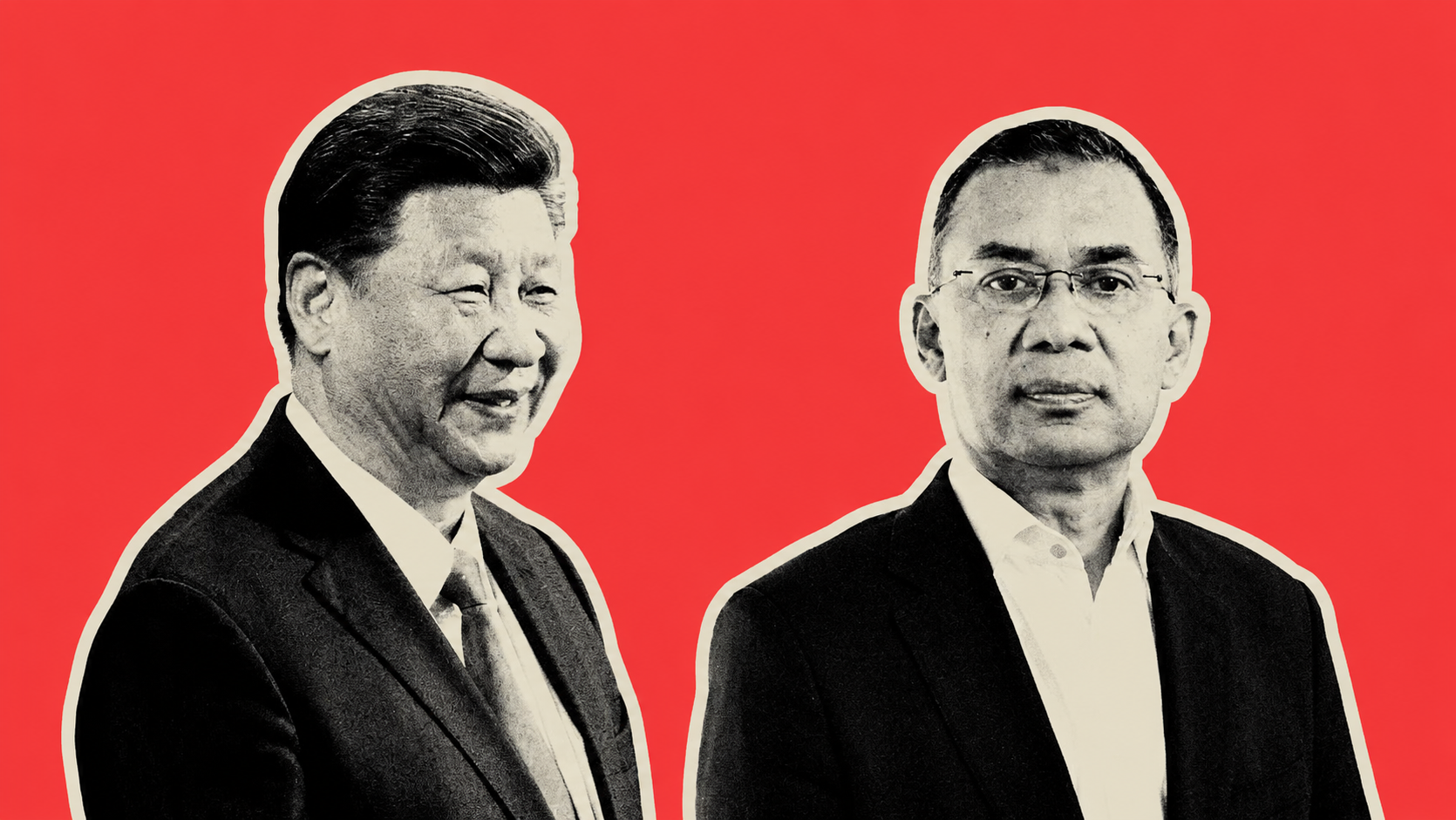
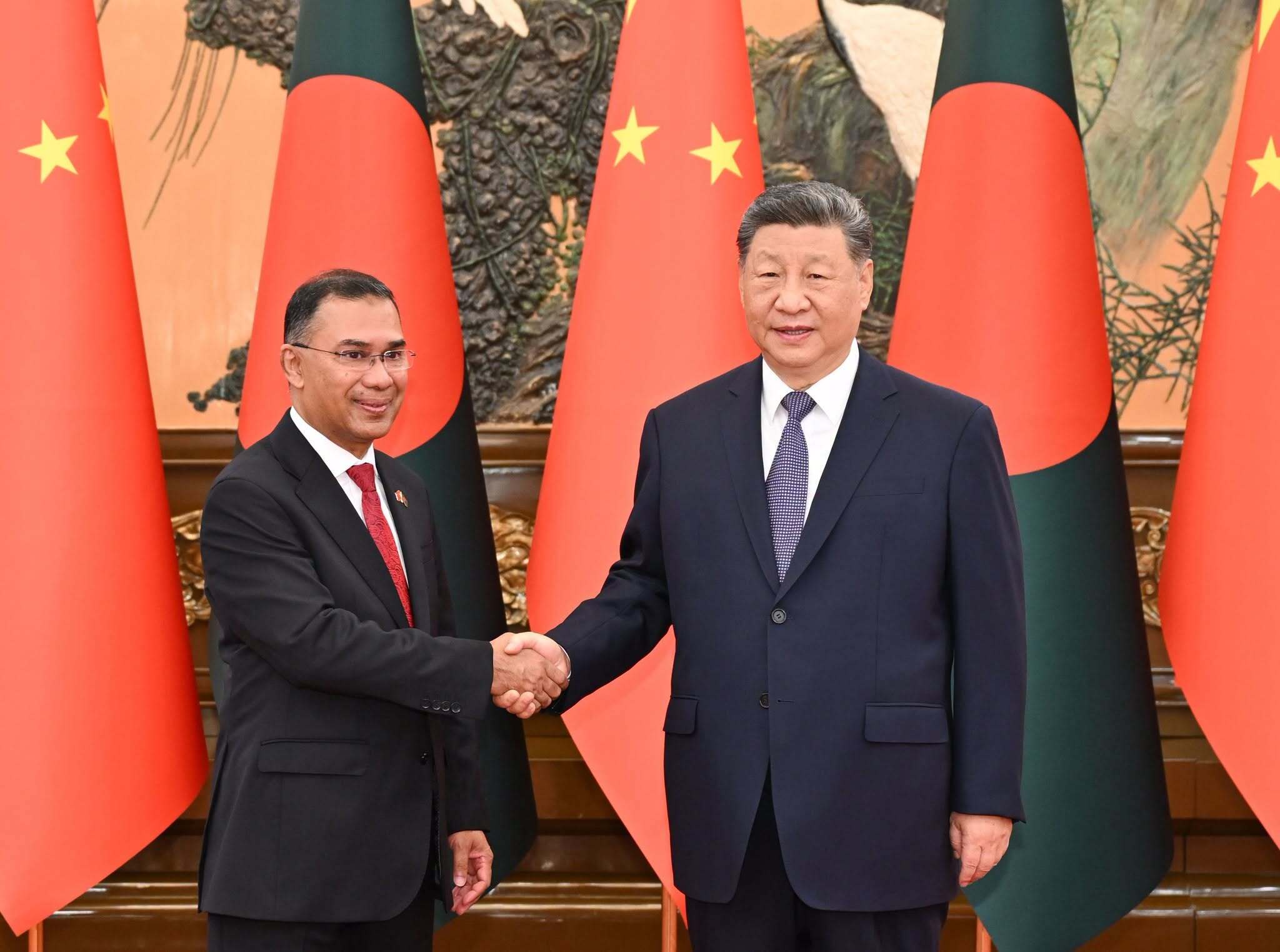
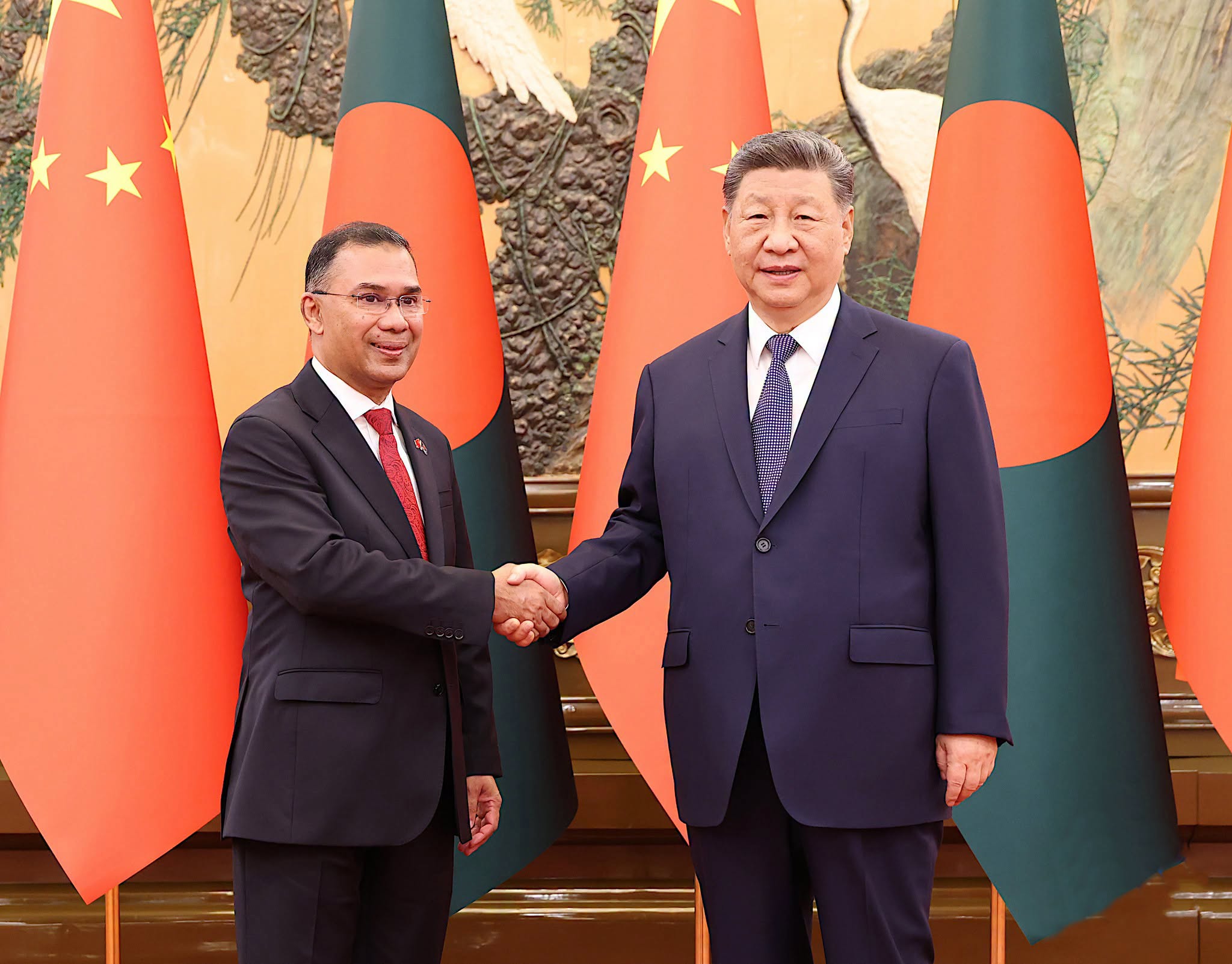
Since Bangladesh and China established diplomatic relations in 1975, the two countries have issued only two joint communiqués in the past fifty years: the first in 1975 and the second in 2005. In June 2026, following Prime Minister Tarique Rahman’s visit to China, they issued a third joint communiqué. During the visit, one of China’s key proposals was the China-Myanmar-Bangladesh Economic Corridor (CMBC).
The plan is to build a road and rail route from Kunming in China’s landlocked Yunnan province, through Mandalay in Myanmar, and then to Bangladesh’s ports in Chattogram and Mongla. For China, this would create a faster route to the Indian Ocean and reduce its dependence on the busy and vulnerable Strait of Malacca. For Bangladesh, the project offers the promise of more investment, more jobs, and a stronger position on one of Asia’s most important trade routes.
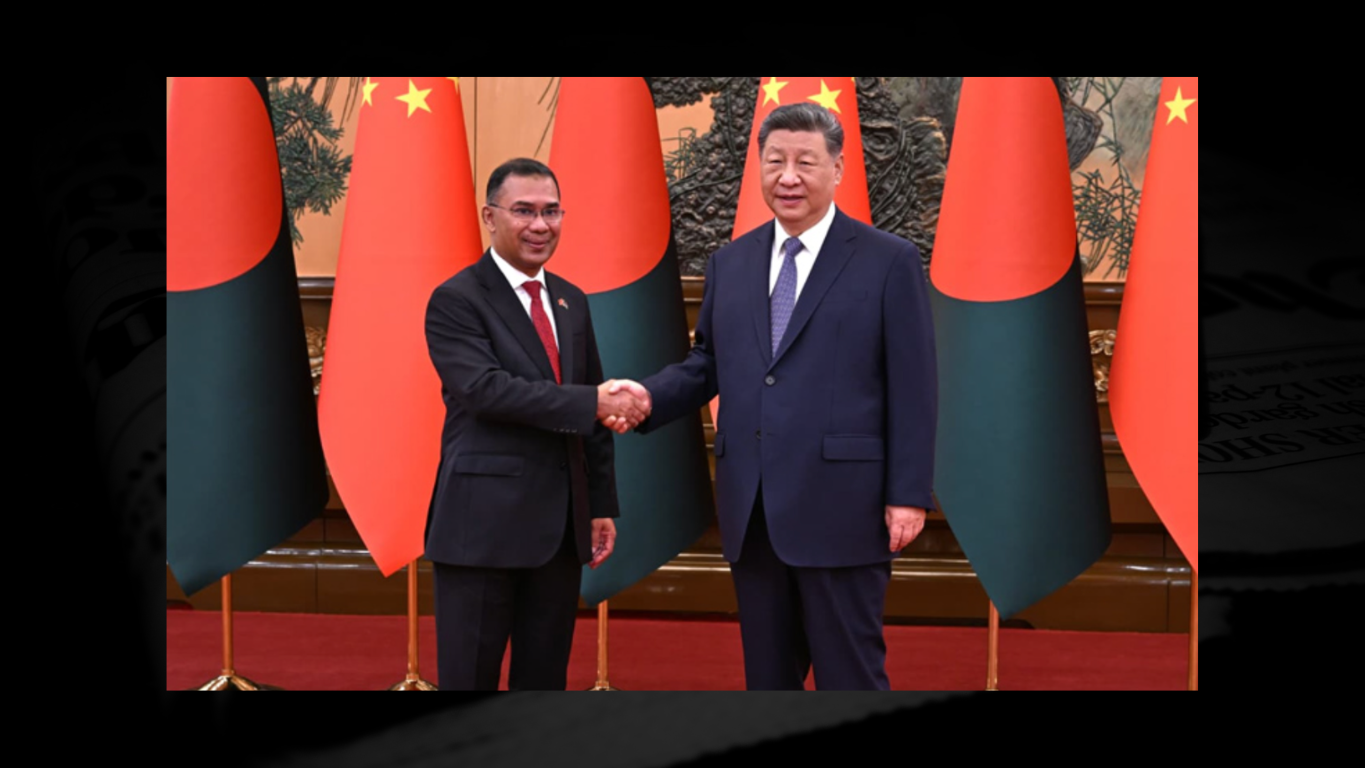
However, this idea is not really new. Back in 1999, the same route was known as the Bangladesh-China-India-Myanmar (BCIM) corridor. India was part of it. But New Delhi later stepped away because it was concerned about China’s Belt and Road Initiative and China’s growing influence near India’s borders. After that, the “I” for India became redundant, and the route was reproposed to bypass India rather than pass through it.
For Bangladesh, this is part of a familiar strategy used by smaller countries caught between bigger powers: taking benefits from all sides without fully joining any one camp. Dhaka calls this a ‘balanced’ foreign policy. But the question is how long that balance can really last.
China has the strongest interest in this corridor. The project would expand its 1,700-kilometre China-Myanmar Economic Corridor. Chinese Ambassador Yao Wen described the visit as a historic milestone. He said that officials are already working on a roadmap for the project. However, Beijing is also being careful in Myanmar. It is dealing with both sides in the country’s crisis. This became clear when Myanmar’s junta chief, Min Aung Hlaing, visited China just days before Prime Minister Tarique Rahman travelled to Beijing.
For Bangladesh, the picture is more complex. Chinese money is attractive because it is available and often easier to obtain. China is already Bangladesh’s biggest trading partner, but the trade relationship is heavily unbalanced. Bangladesh buys about four dollars’ worth of Chinese goods for every one dollar’s worth that it sells to China. This trade gap has grown by around 1,600 per cent over the past twenty years.
The new government is also facing low foreign exchange reserves, weak investment, and slow growth, which the World Bank estimates at around 3.9 per cent. Thus, Chinese support appears useful, but greater dependence on China also comes with risks. When Foreign Minister Khalilur Rahman was asked how much financial support the Beijing visit had secured, he sharply replied that Bangladesh had not gone there “with a begging bowl.” He also said that Dhaka was only examining the corridor, had taken no position yet, and would move forward only if there was peace in Rakhine.
The biggest problem with this plan is Myanmar. A large part of the corridor would have to pass through a country that is still engulfed in civil war. Since the 2021 coup, Myanmar’s military government has lost control of much of the country, while resistance groups and ethnic armed organisations now control large areas. The situation is even more serious in Rakhine, through which the corridor would have to pass. There, the Arakan Army controls 14 of the state’s 17 townships.
Kyaukphyu, the port that China is eager to develop, is also caught up in the fighting, with battles taking place very close to naval bases. A Chinese power plant worth $140 million was even dismantled and removed as the fighting drew closer. The planned Muse-Mandalay railway, which would be 431 kilometres long and cost almost $9 billion, could take ten years to build if it ever gets underway.
There is also the difficult Rohingya issue. Bangladesh is now hosting around 1.2 million Rohingya refugees who fled violence in Rakhine. Any new connectivity project must also help ensure their safe, voluntary, and dignified return home. But this condition is very difficult to meet. The Arakan Army, which now controls much of Rakhine, has also been accused of abuses against the Rohingya. At the same time, China does not want to treat the corridor as a humanitarian project. This leaves Bangladesh’s most important demand far from being fulfilled.
On the other hand, India is the country most concerned about this plan. The proposed corridor would run close to India’s sensitive eastern border, near the narrow Siliguri ‘Chicken’s Neck’ corridor that connects mainland India to its north-eastern states. New Delhi has publicly said only that it is watching the situation closely, but Indian newspapers are already describing the visit as a major turning point in South Asian politics. Relations between Dhaka and New Delhi are also tense. After the BJP’s victory in West Bengal, Bangladesh adopted a tougher position on border issues. For India, projects such as Mongla, the Teesta agreement, and the CMBC corridor do not look like ordinary trade plans. They are seen as signs of China’s growing strategic encirclement of India.
The United States is also exerting quiet but real pressure on Bangladesh. In February 2026, Washington signed a trade agreement that lowered Bangladesh’s tariff to 19 per cent, but the deal also included conditions that made it harder for Dhaka to move too close to countries such as China and Russia. It discouraged free trade agreements with non-market economies and even touched on sensitive projects such as the Russian-built Rooppur Nuclear Power Plant. This matters because the United States buys a large volume of Bangladeshi garments and has about $12 billion in trade with Bangladesh. That gives Washington considerable influence. Every step Bangladesh takes towards the CMBC corridor could invite greater pressure from the United States.
What, then, is likely to happen next? My prediction is that the corridor will not be built anytime soon. Myanmar’s situation makes the actual road and rail link almost impossible for many years, perhaps for a decade or more. But the diplomacy surrounding it will continue because both China and Bangladesh stand to gain something from the discussions. China can demonstrate that its influence is expanding, while Bangladesh can use the project to attract investment and strengthen its bargaining position with India and the United States.
As a result, there are four sensible steps Bangladesh can take now. First, Dhaka should focus on smaller ‘win-win’ projects that can actually move forward. The corridor should be treated as a long-term option rather than an immediate plan, and it should be clearly linked to peace in Rakhine and the safe, voluntary, and dignified return of the Rohingya. Bangladesh should not give away real bargaining power for a road that cannot even be built in the near future.
Second, Bangladesh should use this corridor proposal as a bargaining chip in its negotiations with India and the United States. Third, Bangladesh must address its huge trade imbalance with China before taking on more Chinese-funded projects. Bangladesh should also encourage Chinese companies to establish factories in Bangladesh that produce goods for export, rather than simply selling Chinese products in the country.
Fourth, Bangladesh should hedge openly and put its rules in writing. It should publish a simple connectivity charter stating that Bangladesh is ready to join any corridor as long as it meets clear standards on debt sustainability, labour standards, security, and environmental protection. This would force every major power to compete for Bangladesh’s approval and would make Dhaka a rule-setter rather than merely a prize to be won.
Md Mazhar Uddin Bhuiyan is a Felix Scholar at the University of Oxford. He can be reached at mazhar.bhuiyan@bsg.ox.ac.uk.
Send your articles for Slow Reads to slowreads@thedailystar.net. Check out our submission guidelines for details.
The Indo-Pacific at a crossroads: What it means for Bangladesh
Could the Teesta redraw the map of India-Bangladesh diplomacy?
Iran’s China moment? From isolation to regional hegemony
Makkah Pact: The geopolitics beyond Islamic solidarity

Myanmar’s deteriorating crisis and the political future of the Rohingya

Bangladesh between India and China: The dilemma of defence diversification
What Bangladesh should ask before joining the Makkah Pact

Nepal’s difficult passage: Political change meets ecological crisis
BRICS at 20: Why the New Delhi Summit matters to the Global South
